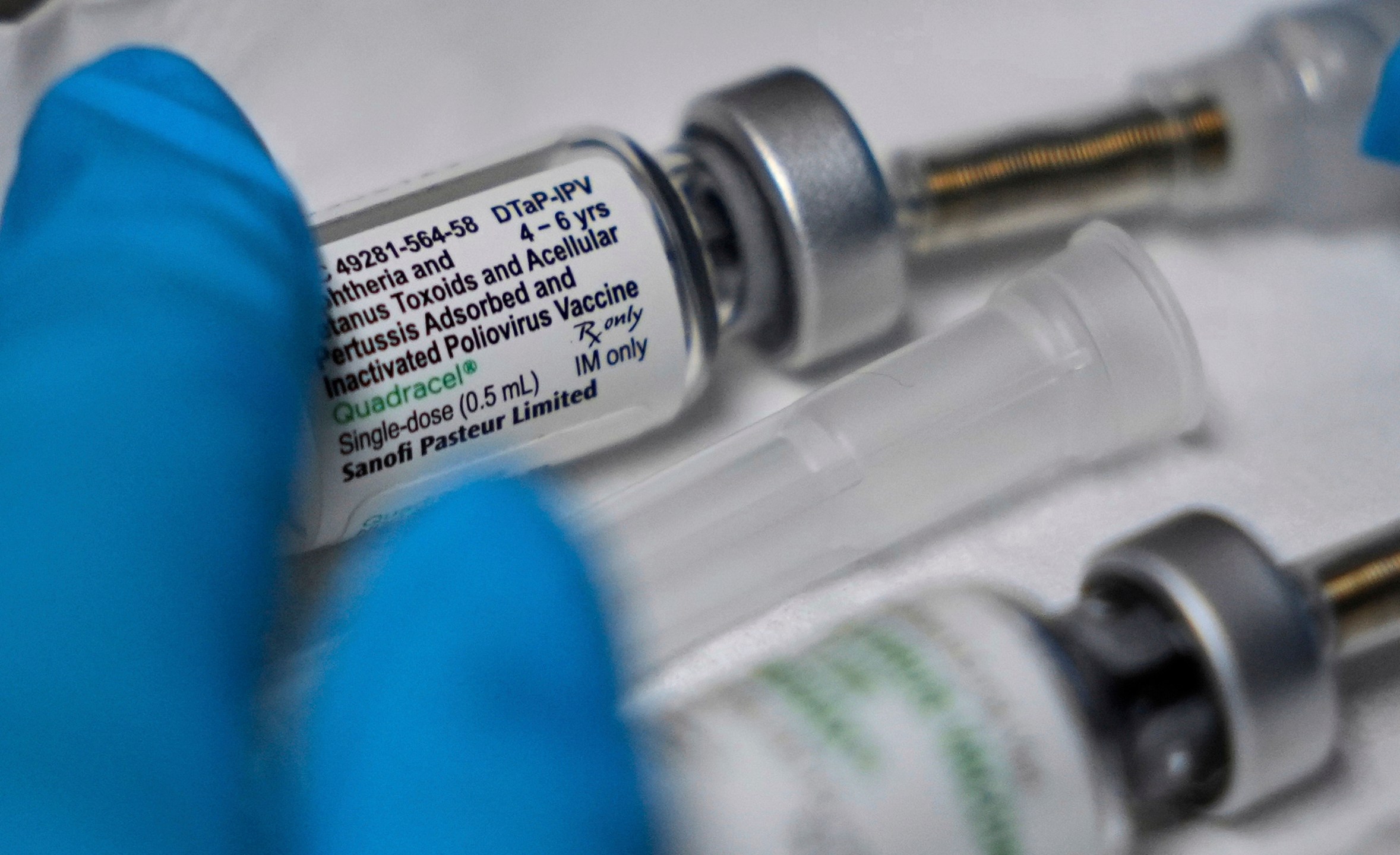
(NewsNation) — The Centers for Disease Control and Prevention has dropped the number of vaccines recommended for children, changing the childhood immunization schedule in an unprecedented move.
Children will now receive 11 vaccines instead of 17.
Officials said the overhaul to the federal vaccine schedule won’t result in any families losing access or insurance coverage for vaccines, but medical experts slammed the move, saying it could lead to reduced uptake of important vaccinations and increase disease.
The CDC will be recommending the DTaP—diphtheria, tetanus, and pertussis (whooping cough) vaccine, along with the Hib, Pneumococcal conjugate, polio, measles, mumps, rubella and chicken pox vaccines.
The agency is now recommending only one dose of the HPV vaccine, rather than the current recommendation of two doses for younger children and three for teenagers and adults.
The RSV vaccine will only be recommended for some high-risk groups. RSV is the leading cause of hospitalization for infants in the U.S.
Meningitis, hepatitis A and B and dengue fever will also only be recommended for high-risk groups. Currently, the dengue vaccine is only recommended for children with one previous instance of infection and who live in high-risk areas.
For other vaccines, including rotavirus, hepatitis A, COVID and the flu vaccine, can only be given after parents consult with a health care provider.
Optional vaccines will still be covered by federal health insurance programs, officials said, and parents will not have to pay out of pocket if they elect to have their children vaccinated against those illnesses.
Supporters say the shift is aligning with those of “peer, developed countries” such as Denmark.
However, health experts have noted significant differences in the U.S. and Denmark populations, disease rates and health care systems.
“We don’t follow Denmark’s vaccine recommendations because we don’t live in Denmark. Children in the United States are at risk of different diseases than children in other countries. We also have a completely different health system. The bottom line is vaccine recommendations in the United States are designed to help children resist serious illnesses so they can stay healthy, and our communities can stay healthy,” said Dr. Jose Romero, member of the American Academy of Pediatrics Committee on Infectious Diseases.
The U.S. already reversed a policy of vaccinating every newborn against hepatitis B, instead instituting a policy of only vaccinating newborns whose mothers test positive or who were not tested. Other children would begin the vaccination series at two months.
That recommendation drew swift pushback from the medical community for upending 30 years of established guidance and practice. The new guidance further upends that practice, limiting the vaccine to high-risk groups.
Health and Human Services Secretary Robert F. Kennedy Jr. has expressed skepticism about some routine childhood vaccinations and was criticized for firing a panel that oversees vaccines and replacing the members with his picks, including vaccine skeptics.
NewsNation’s Libbey Dean and Taylor Delandro and The Associated Press contributed to this report.