CHICAGO (NewsNation) — Violent crimes on Chicago’s public transit system have increased in recent weeks, leaving local officials searching for solutions amid threats by the federal government to withhold up to $50 million in funding.
Crime on Chicago Transit Authority buses and trains has decreased by 5% in 2025, statistics show. Between 2022 and 2025, there was a 10% drop in offenses considered violent by the FBI.
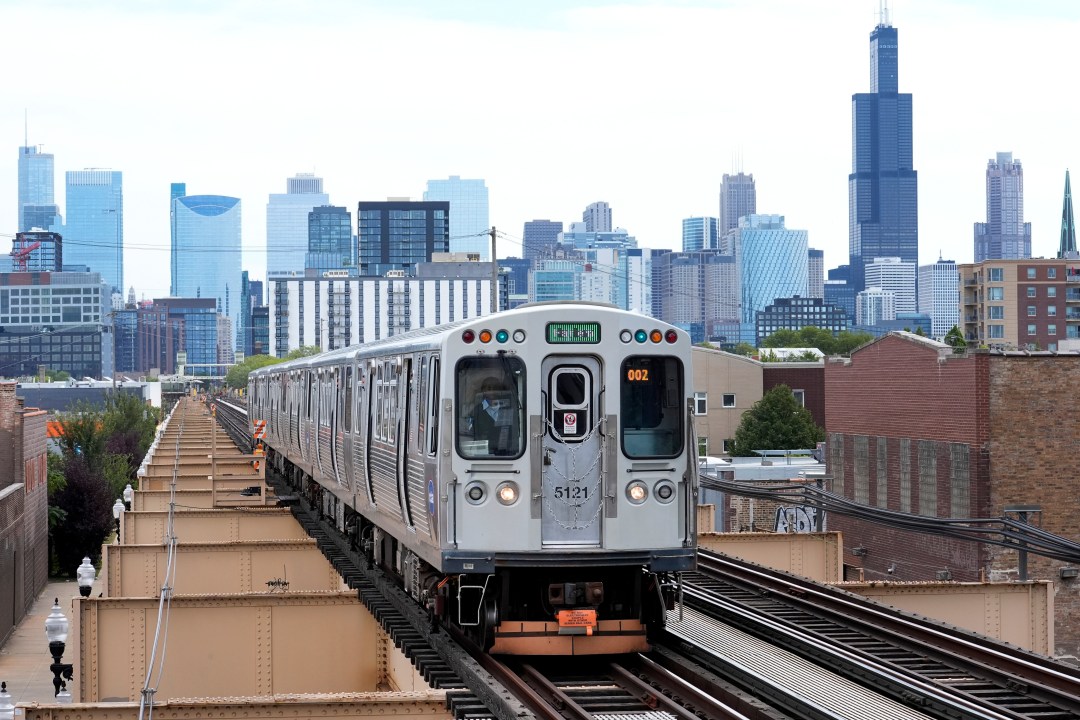
Recent attacks, however, have garnered the federal government, and the public’s attention. Two days before Christmas, two people were shot, one of them killed, on a CTA Pink Line train.
Earlier this month, a 62-year-old man was beaten into a coma on his way to get cigarettes on a CTA bus. Three teens have been charged, police said.
The rash of criminal activity over the past six weeks has officials facing pressure from the feds to make public transportation safer despite fewer crimes being reported overall.
Chicago Mayor Brandon Johnson has committed to increasing the police presence on city trains, where the majority of criminal activity on CTA property has occurred. The number of city cops assigned to transit locations has been increased from 77 a day to 120, police officials said. Meanwhile, K-9 units provided by private security firms will jump 10% to 188 per day.
Meanwhile, the State of Illinois has committed $1.5 billion in new funding for improving public transportation around the state, including for safety measures in Chicago. A new safety plan created by CTA officials recently went into effect.
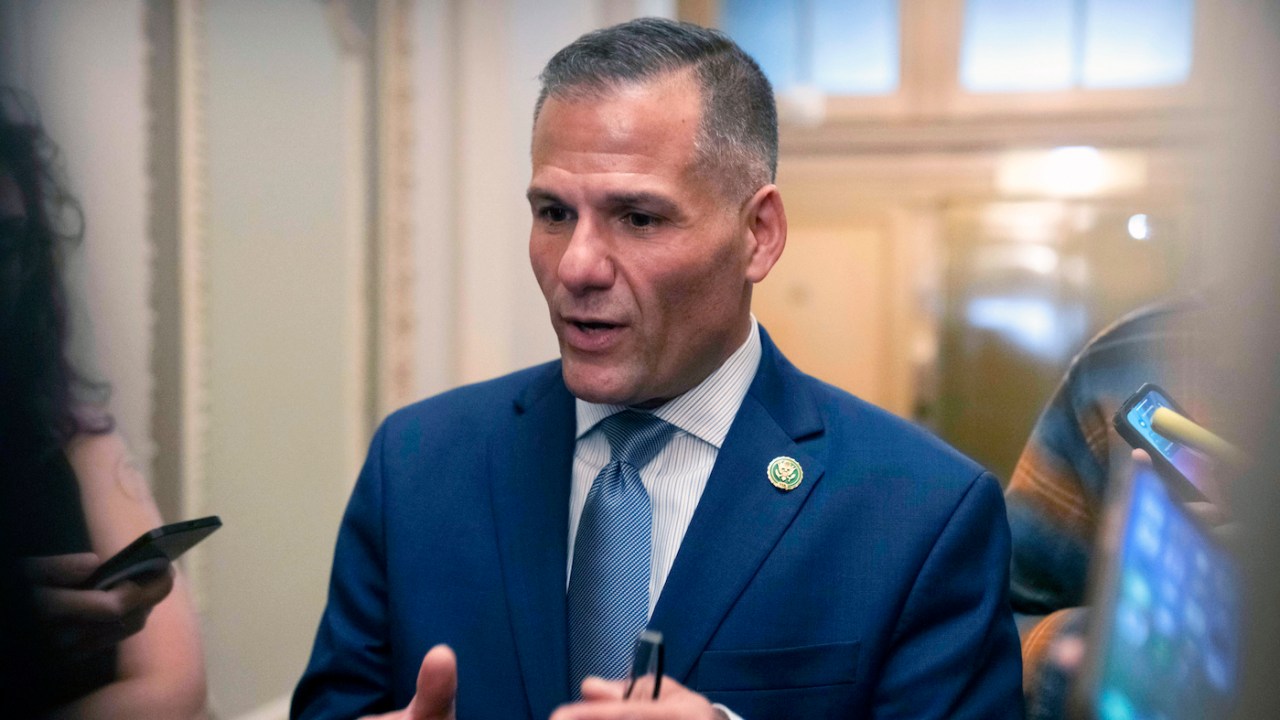
Despite the new plan, which includes a bump in police officers, K-9 units and public dollars, the Federal Transit Authority insists that the city is failing to meet standards for ensuring a safe environment for CTA passengers and workers.
FTA Administrator Marc Molinaro said that Chicago’s submitted safety plan fails to measurably reduce assaults and to improve overall safety.
“If people’s safety is at risk, so are federal funds,” Molinaro said in a prepared statement issued by the agency. “CTA must act to save lives and improve safety.”
What violent crime has taken place on CTA trains or buses?
Two men were shot, including one fatally, on Dec. 23 by a person who police say was armed with a knife. The incident took place on a CTA train just before 1:30 a.m. and involved the two men arguing with the suspect, who had a knife.
Police said that one of the victims took out a gun, which the suspect was able to secure before she shot the two men. The suspect was able to escape and has not yet been captured.
The fatal shooting took place one day after three suspects allegedly used a knife to carry out a robbery that took place on another city train line.
Another woman was charged with battery after an incident in which two people were battered by the suspect on a city bus.
Two days earlier, a 52-year-old man intentionally set his possessions on fire on a city train and sustained burns to his leg. Chicago police initially said that the man set himself on fire.
On Nov. 17, a 26-year-old woman, Bethany MaGee, was set on fire just before 9:30 a.m. on a Blue Line train after she had begun to argue with a man. The argument escalated and police said the man poured a liquid on the woman and ignited a fire. The suspect, Lawrence Reed, had previously been arrested 72 times, was able to escape, and MaGee sustained burns to her body and was hospitalized in critical condition.
Reed was charged by federal prosecutors with committing a terrorist attack. Transportation Secretary Sean Duffy blamed “Chicago’s carelessness” for the attack and said the offender is among the repeat offenders are allowed to “roam the streets” by local officials.
The incident proved to be the deciding factor in the Federal Transit Authority notifying Chicago officials, insisting that immediate corrective measures be taken to reduce violent crime and address “unsafe” conditions.
Since January 1, 2,634 violent crimes have been committed on CTA trains or buses or on train platforms or public transit stations, CTA data shows. Of those offenses, the largest number of incidents (1,166) involve battery, followed by theft (612), robbery (407), assault (374), sex offenses (52), criminal sexual assaults (16), and homicides (eight).
Although crime on city buses and trains and on CTA property is down in 2024, according to Chicago Police Department data, certain violent offenses have increased. Homicides have increased 33.3% (eight in 2025 versus six last year), while shootings have jumped 40% (14 this year versus 10 in 2024). Aggravated battery incidents have also jumped nearly 15%, data shows.
Yet, the eight homicides that took place in 2025 represent a 300% increase from 2023, police data shows. Most of this year’s criminal incidents have taken place on CTA trains, police say, followed by crimes that were committed on train platforms or in stations or near commuter train tracks.
Chicago Police Superintendent Larry Snelling told ABC 7 his officers are working closely with CTA officials to address security concerns. The department evaluates every incident in trying to determine recent crime patterns involving public transportation.
“We need to find a way to keep people who are offending on the CTA, who are acting out violently against other people,” Snelling told the local television affiliate. “We need to find a way to make sure that we keep those people away from CTA.”
How Chicago is working to cut down public transit crime
In November, the CTA approved a $2.23 billion operating budget, which includes $5 million earmarked for enhanced security on city buses and trains.
Officials said that CTA will increase the amount that is designed to strengthen security across the system. It is expected to increase the budgeted amount for the Chicago Police Department to increase police resources assigned to transit duty.
The transit authority is also expected to launch a new pilot Safe Rider Ambassador program that accepts input from law enforcement and other law enforcement agencies, transit advocates, mental health officials and social services professionals.
The city has 90 days to respond to the Federal Transit Administration’s demand for a more stringent safety plan or risk losing up to $50 million in funding. Johnson, the city’s mayor, has called the safety plan the city submitted to the federal transit authority “sound” and blamed the White House for unfairly targeting Democrat-led cities like Chicago.
“At this point, it seems like what the Trump administration is doing is what they’ve always done, sort of arbitrarily make up elements and things,” Johnson told reporters recently.
Threats to strip the city of those federal dollars are not helping local officials find permanent solutions, one city alderman told NewsNation.
Ald. Walter Burnett, who is among the city leaders tasked with working with CTA officials, said in a prepared statement that while the city devotes significant funding to more city cops being assigned to CTA, alderpersons are also demanding more accountability and measurable improvements from the police department in reducing transit crimes.
“Threats to withhold federal funding ignore the reality that local and state leaders are already making historic investments to protect riders and keep public transit viable,” Burnett said.