(NewsNation) — The federal government is investigating a potential social-services aid fraud scheme in which hundreds of millions of dollars intended for a federally funded nutrition program was allegedly used instead for lavish purchases.
Nearly 90 people have been convicted, a majority of whom are Somali American, federal sources confirmed to NewsNation. Two defendants have already been sentenced, with one facing 28 years in prison and another owing $48 million in restitution.
The scandal has put the spotlight on Minnesota’s Democratic Gov. Tim Walz and the state’s Somali population, the latest immigration enforcement target of the Trump administration.
Minnesota fraud: Which groups are involved?
At the center of the allegations is the Feeding Our Future nonprofit.
Founded in 2016, the organization opened more than 200 federal child nutrition program sites across Minnesota and claimed to serve meals to thousands of children each day during the COVID-19 pandemic.
But court documents argue that, rather than feeding children, money was instead pocketed by fraudsters or sent elsewhere, to places including Somalia, Kenya and China.
Charges first surfaced in 2022, when U.S. Attorney General Merrick Garland called the $250 million fraud scheme “an egregious plot to steal public funds meant to care for children in need.”
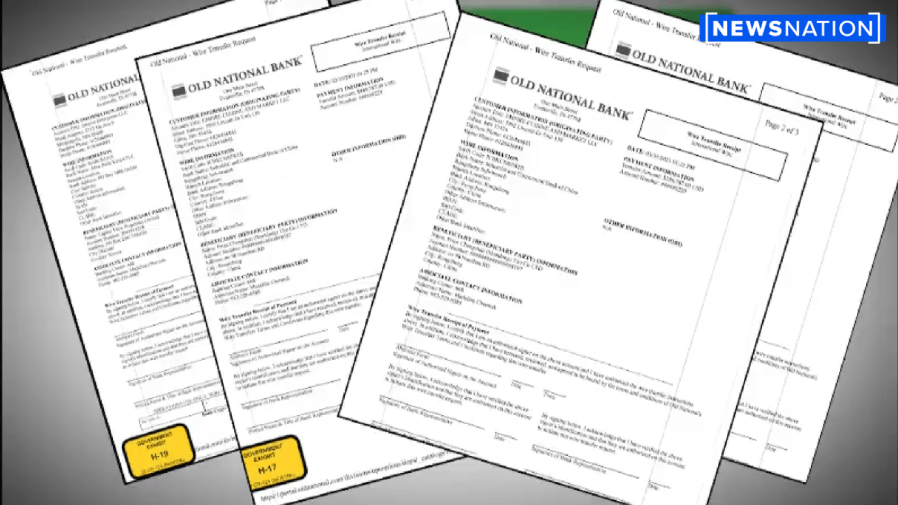
Newly obtained court documents reveal how defendants in Minnesota’s massive child nutrition fraud scheme are accused of spending millions in taxpayer funds intended for hungry children on lavish purchases including island vacations, waterfront properties and luxury vehicles. (NewsNation) 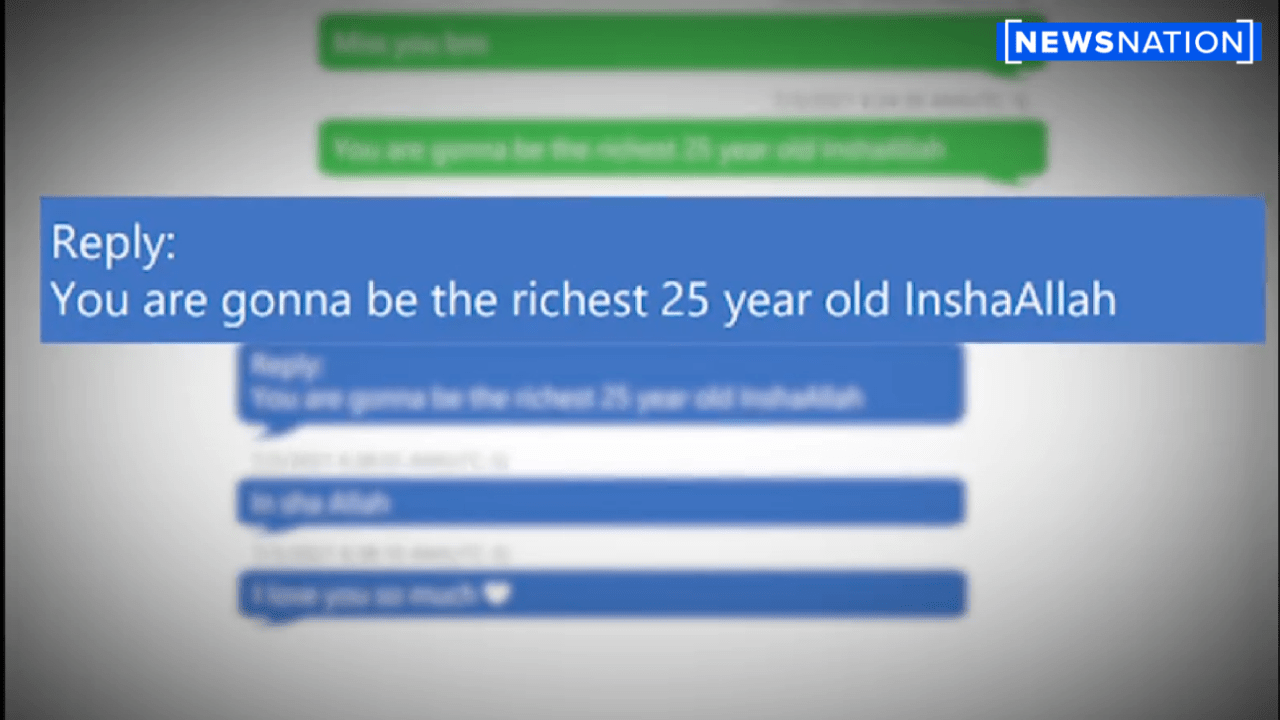
Newly obtained court documents reveal how defendants in Minnesota’s massive child nutrition fraud scheme are accused of spending millions in taxpayer funds intended for hungry children on lavish purchases including island vacations, waterfront properties and luxury vehicles. (NewsNation) 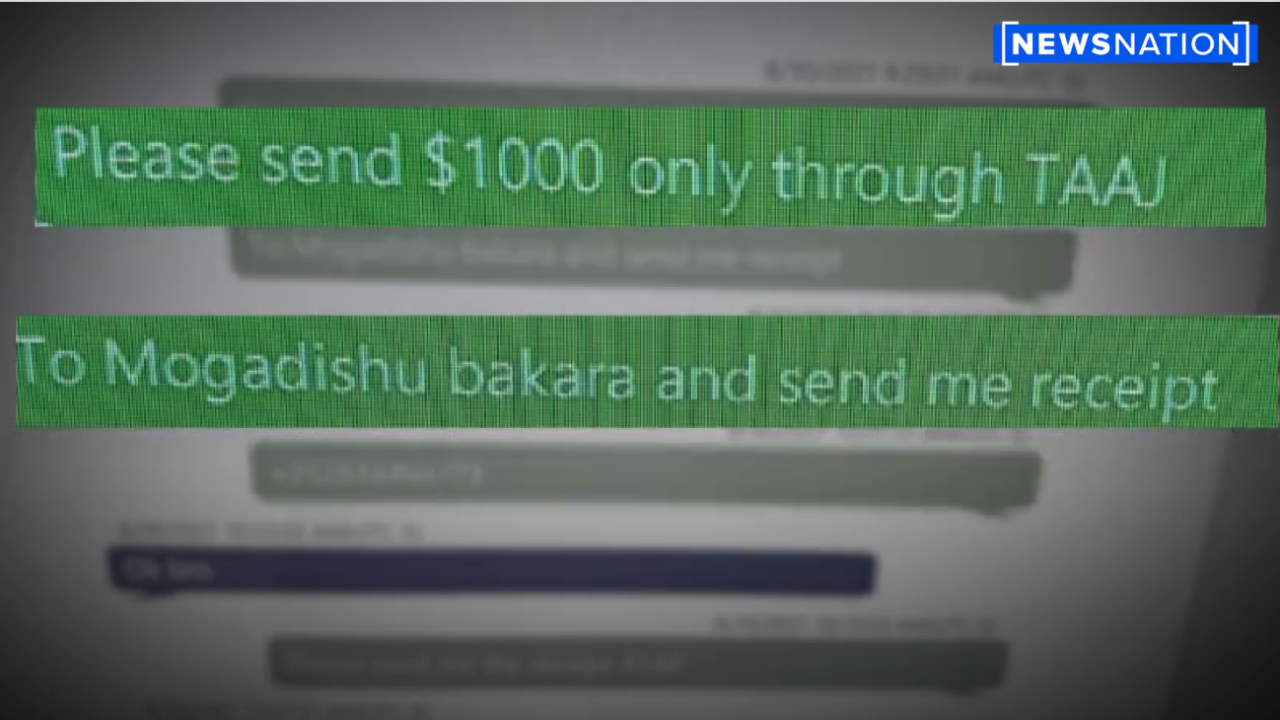
Newly obtained court documents reveal how defendants in Minnesota’s massive child nutrition fraud scheme are accused of spending millions in taxpayer funds intended for hungry children on lavish purchases including island vacations, waterfront properties and luxury vehicles. (NewsNation) 
Newly obtained court documents reveal how defendants in Minnesota’s massive child nutrition fraud scheme are accused of spending millions in taxpayer funds intended for hungry children on lavish purchases including island vacations, waterfront properties and luxury vehicles. (NewsNation) 
Newly obtained court documents reveal how defendants in Minnesota’s massive child nutrition fraud scheme are accused of spending millions in taxpayer funds intended for hungry children on lavish purchases including island vacations, waterfront properties and luxury vehicles. (NewsNation) 
Newly obtained court documents reveal how defendants in Minnesota’s massive child nutrition fraud scheme are accused of spending millions in taxpayer funds intended for hungry children on lavish purchases including island vacations, waterfront properties and luxury vehicles. (NewsNation) 
Newly obtained court documents reveal how prosecutors allege defendants in Minnesota’s massive child nutrition fraud scheme spent millions in taxpayer funds intended for hungry children on lavish purchases including island vacations, waterfront properties and luxury vehicles. (NewsNation)
The FBI has also recently charged multiple people in similar cases across Minnesota, including a housing stabilization fraud case involving millions of dollars funneled from Minnesota’s Housing Stability Services Program.
Another involves at least $14 million from the Early Intensive Developmental and Behavioral Intervention benefit, a federally funded autism program.
Where did Minnesota fraud money end up?
Funds raised by Feeding Our Future were spent on island vacations, luxury vehicles, waterfront properties, jewelry and other lavish items, according to court documents.
Federal trial exhibits show accused fraudsters celebrating a honeymoon in the Maldives with champagne and purchasing entire buildings in Kenya.
“They used this money that was supposed to be used for feeding children to buy houses in Minnesota, resort property and real estate in Kenya and Turkey, luxury cars, commercial property, jewelry and much more,” former U.S. Attorney Andrew Luger said when announcing the indictments in September 2022.
Current and former federal sources confirmed to NewsNation that some of the funds also ended up in the hands of an al-Qaida-linked terror group in Somalia.
One recovered text message read, “Please send $1,000 to Mogadishu Bakara,” referring to a market in Somalia previously controlled by al-Shabaab and the site of the 1993 Black Hawk Down incident, which left 18 U.S. service members dead.
A former member of the Joint Terrorism Task Force told NewsNation that although there are legitimate refugees in Minnesota and they do have a right to send money back home, “The system is way too untracked, way too wild. People are committing crimes, and that money is going back to Somalia.”
What has the FBI said about Minnesota fraud allegations?
FBI Director Kash Patel has promised additional resources will be dedicated to fraud investigations in Minnesota, calling current prosecutions the “tip of a very large iceberg.”
“We will continue to follow the money and protect children, and this investigation very much remains ongoing,” Patel said on Dec. 28.
Patel also referenced a viral video that features a nonoperational child care facility in Minneapolis that allegedly received state and federal funds.
The video sparked widespread media coverage of the cases, though Patel said that “even before the public conversation escalated online, the FBI had surged personnel and investigative resources to Minnesota to dismantle large-scale fraud schemes exploiting federal programs.”
“Fraud that steals from taxpayers and robs vulnerable children will remain a top FBI priority in Minnesota and nationwide,” he continued.
Minnesota fraud investigation: How does ICE factor in?
While promising more arrests and investigations, Patel also said those involved could be referred to immigration officials for “possible further denaturalization and deportation proceedings where eligible.”
The Trump administration has recently ramped up immigration enforcement in the state’s largest city, Minneapolis, which is home to around 80,000 people of Somali descent.
In November, Trump terminated Temporary Protected Status for Somali immigrants in Minnesota. As of March, that program had legally protected roughly 700 Somali nationals from deportation in the United States.
Trump said this month he did not want immigrants from Somalia in the U.S. because “they contribute nothing.”
“These aren’t people that work. These aren’t people that say, ‘Let’s go, c’mon. Let’s make this place great.’ These are people that do nothing but complain.”
Democratic Minnesota Rep. Ilhan Omar, who is of Somali descent, told NewsNation she felt Trump’s comments were “totally irresponsible.”
“We are not, and I am not, someone to be intimidated, and we are not going to be scapegoated,” Omar said. “We are here to stay.”
Somalia was also included in an early December travel ban following the shooting of two National Guard members in Washington, D.C.
NewsNation’s Michael Ramsey, Mills Hayes, Brooke Shafer and partner The Hill contributed to this report.