This is a developing story. Check back for updates
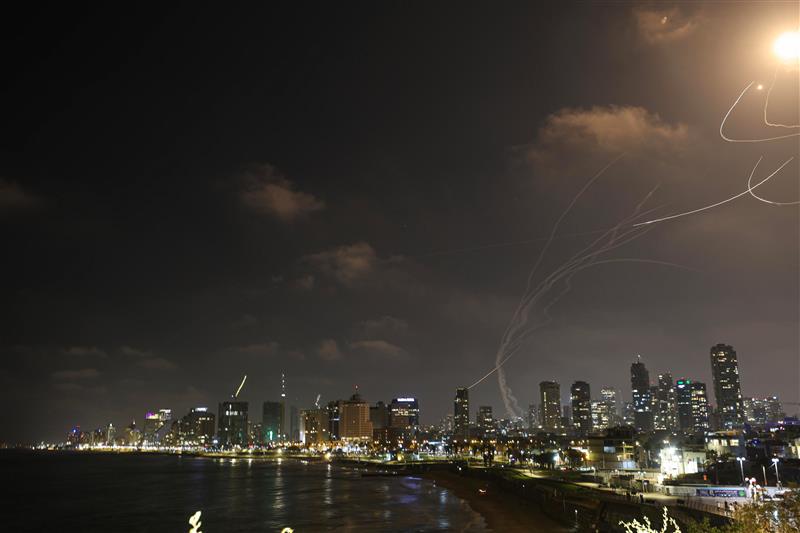
(NewsNation) — At an emergency meeting of the United Nations Security Council on Friday, Iran’s U.N. Ambassador Amir Saeid Iravani said Israel’s airstrikes targeted senior military officials and nuclear scientists, but the “overwhelming majority” of the 78 people killed were civilians, including women and children. Meanwhile, Israeli emergency services confirmed at least 34 injuries from Iranian missile strikes on central Israel, including in the Tel Aviv area.
The U.S. military is helping intercept missiles aimed at Israel as Iran continues to retaliate for strikes on its nuclear facilities.
Israeli citizens have been warned to remain near shelters.
President Donald Trump met with his national security team in the Situation Room Friday following Israeli attacks on Iran that began Thursday night.
Israeli strikes on Iran continued Friday as the U.S. shifts military assets to the region in anticipation of retaliatory attacks.
Iran announced Friday it has withdrawn from nuclear negotiations with the United States, following Israeli strikes launched Thursday night.
Israel strikes Iran’s nuclear, military sites




Israel launched a sweeping military operation late Thursday night and into the next morning, striking multiple high-value targets across Iran and reportedly killing three key Iranian leaders. The coordinated attack — dubbed “Operation Rising Lion” — targeted a wide range of military, nuclear and leadership assets, according to Israeli officials.
President Donald Trump on Friday responded to Israel’s strikes on Iran, calling on Tehran to reach a deal to avoid further escalation.
Iran retaliated against Israel’s attack, launching more than 100 drones at Israel, the Associated Press reported. Iraq and Jordan confirmed the drones had flown over their airspace. Israel said it intercepted the drones outside its airspace.
Iranian state television reported the headquarters of the Islamic Revolutionary Guard Corps in Tehran had been hit in Israeli airstrikes, with fire and smoke seen rising from the site. Multiple senior leaders were reportedly killed in the attack, along with six nuclear scientists.
In a message to the nation Friday, Iranian President Masoud Pezeshkian said Iran’s legitimate and powerful response would “make Israel regret its foolish act,” according to Reuters.
A U.S. official told NewsNation there was “no U.S. involvement or U.S. assistance.”
The Israeli Defense Forces accused Iran of being on the verge of acquiring nuclear weapons and said Thursday’s actions were meant to eliminate what it called an existential threat.
Follow below for updates:
Israel strikes Iran’s nuclear program
The Israel Defense Forces confirmed they have launched a preemptive and coordinated offensive targeting Iran’s nuclear infrastructure. Dozens of IAF jets struck military and nuclear sites across Iran in what the IDF describes as the first stage of a broader operation.
The IDF accuses Iran of being on the verge of acquiring nuclear weapons and states this action is meant to eliminate what it calls an existential threat.
Statement from Secretary of State Marco Rubio
“Tonight, Israel took unilateral action against Iran. We are not involved in strikes against Iran and our top priority is protecting American forces in the region. Israel advised us that they believe this action was necessary for its self-defense. President Trump and the Administration have taken all necessary steps to protect our forces and remain in close contact with our regional partners. Let me be clear: Iran should not target U.S. interests or personnel.”
US not involved
“We are aware of the reports of strikes, there was no US involvement or US assistance,” a U.S. official tells NewsNation.
‘Special Emergency Situation’ declared in Israel
Israeli Defense Minister Israel Katz said a missile and UAV attack is expected imminently on Israel.
Starting Friday at 3:00 a.m. local time, all regions of Israel will move from “full activity” to “essential activity” status, an IDF spokesperson said.
This includes:
- Closure of schools and educational institutions
- Ban on public gatherings
- Shutting down of nonessential workplaces
Katz urged the public to remain in protected areas and follow all instructions from the Home Front Command, which will be issued through the official app and the National Emergency Portal.
Israel-Iran tensions grow
Israel is reported to be preparing to strike Iran, raising the chances of widespread regional conflict.
The scale and targets of a potential attack are unknown, but the U.S. pulled some troops and nonessential personnel out of Iraq, Kuwait and Bahrain on Wednesday, citing regional tensions.
“We gotta tell them to get out because something could happen soon and I didn’t want to not give them a warning, if it should happen,” President Donald Trump said Thursday when asked about the decision.
The State Department also issued a do-not-travel advisory for Iraq on Thursday.
The State Department warned that citizens who do elect to travel to Iraq cannot rely on government help. Suggestions for those who decide to go to the country anyway include having a personal security plan, establishing a last will and testament and providing DNA samples to a medical provider in case it is needed for identification.
The White House has been attempting to negotiate a nuclear deal with Iran after President Donald Trump withdrew from a previously negotiated deal during his first term. Oman has been acting as a mediator in the negotiations.
The president has taken a more pessimistic view of negotiations lately, though he has still expressed his desire for a deal while maintaining that Iran cannot be allowed to have nuclear weapons. Previously, Trump suggested the U.S. would bomb Iran if a deal wasn’t reached.
“I want to have an agreement with Iran. We’re fairly close to an agreement,” Trump told reporters Thursday. “I much prefer an agreement.”
The enrichment of uranium, a key component in nuclear weapons, has been a sticking point in the negotiations, with Iran rejecting demands to stop.
The UN’s nuclear watchdog, the International Atomic Energy Agency, also rebuked Iran for failing to answer questions about possible military nuclear activity in the country this week, finding the country is not complying with its nuclear obligations.
Trump spoke with Israeli Prime Minister Benjamin Netanyahu on Monday but declined to answer questions about whether or not he gave Netanyahu the okay to engage in an attack.
White House Envoy Steve Witkoff also told Republicans that if Israel strikes Iran’s nuclear facilities, Iran could launch a mass casualty response, according to reporting from Axios.
There are fears that an Israeli strike on Iran could lead to large-scale conflict in the region.