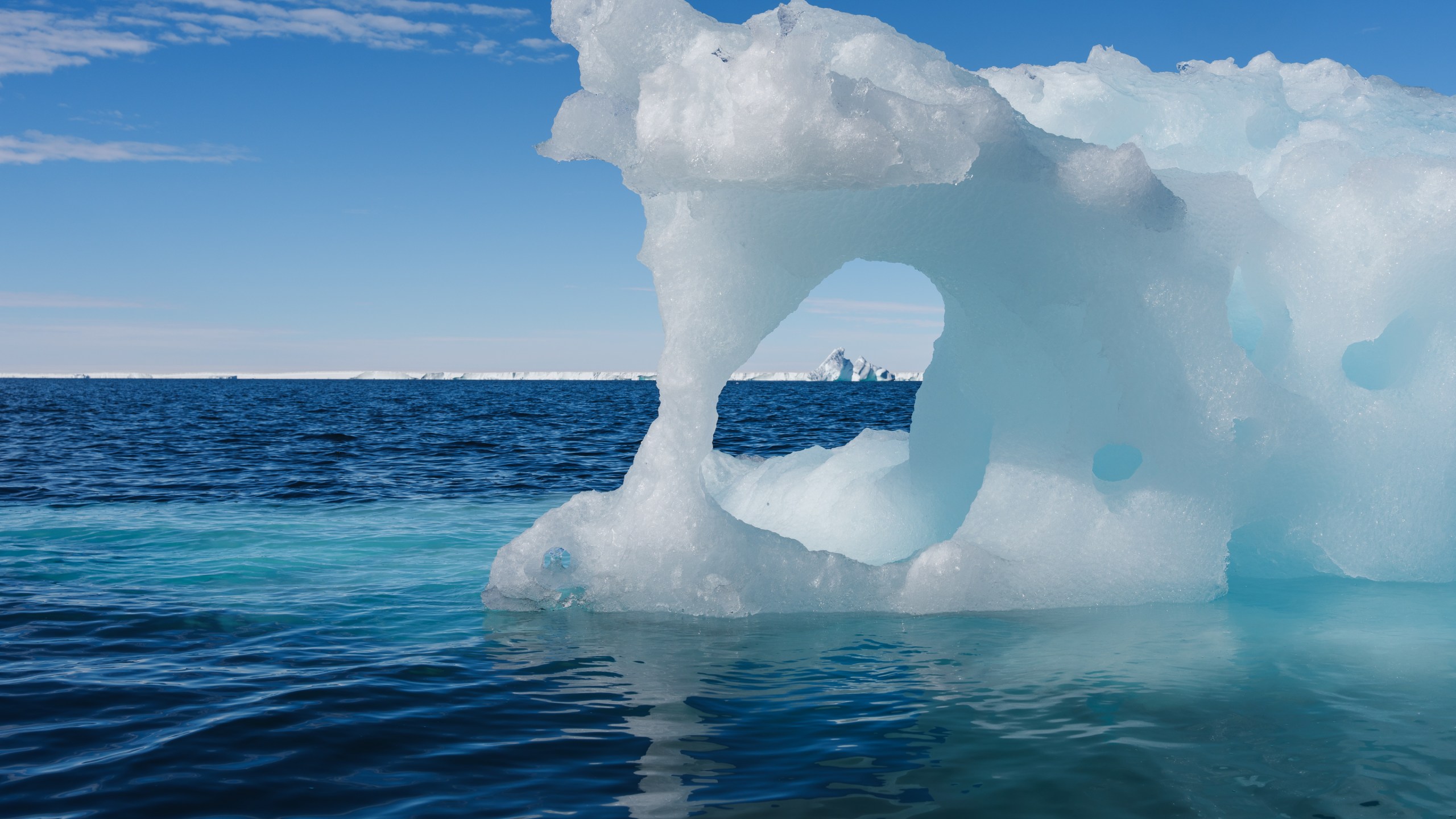
(NewsNation) — An ecosystem in Antarctica may have existed for hundreds of years, researchers learned after an iceberg the size of Chicago broke off the continent, exposing an area previously inaccessible to humans.
An international team of researchers with the Schmidt Ocean Institute was working in the Bellingshausen Sea, which is located on the west side of Antarctica, when an iceberg broke away from the George VI Ice Shelf on Jan. 13.
The ice was 209 square miles in size, and when it detached, it revealed a whole new world.
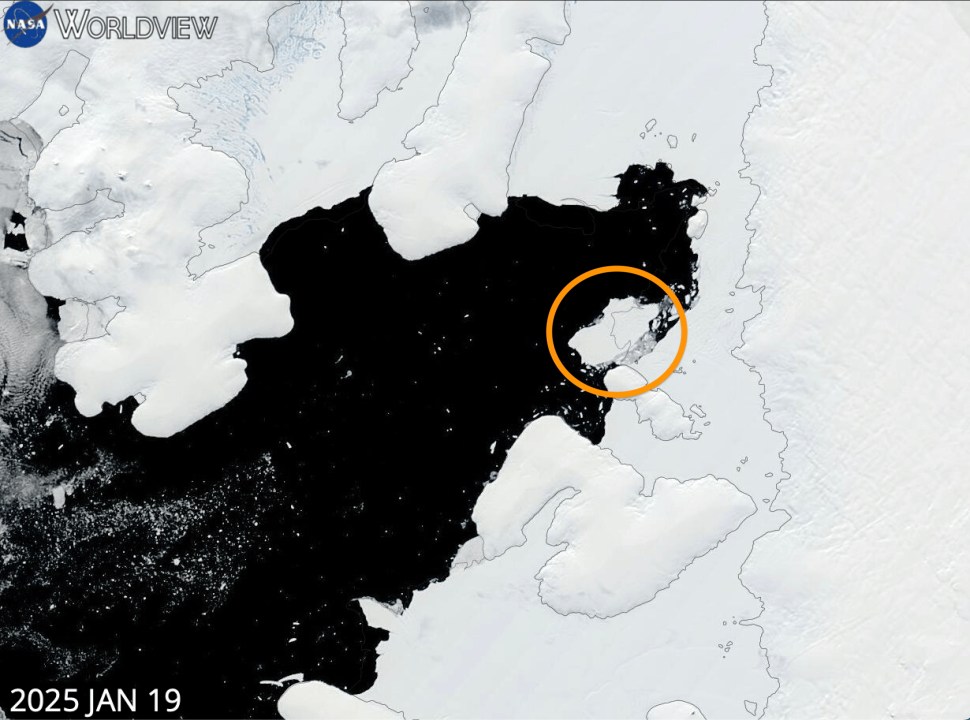
By Jan. 25, the explorers reached the sea floor, becoming the first to investigate this uncharted area.
“Being right there when this iceberg calved from the ice shelf presented a rare scientific opportunity,” said Schmidt Ocean Institute Executive Director Dr. Jyotika Virmani in a news release. “Serendipitous moments are part of the excitement of research at sea – they offer the chance to be the first to witness the untouched beauty of our world.”
The team, which included scientists from the United States, Chile, Germany, Portugal, New Zealand, Norway and the United Kingdom, used a remotely operated vehicle, ROV SuBastian, to observe the deep seafloor for eight days.
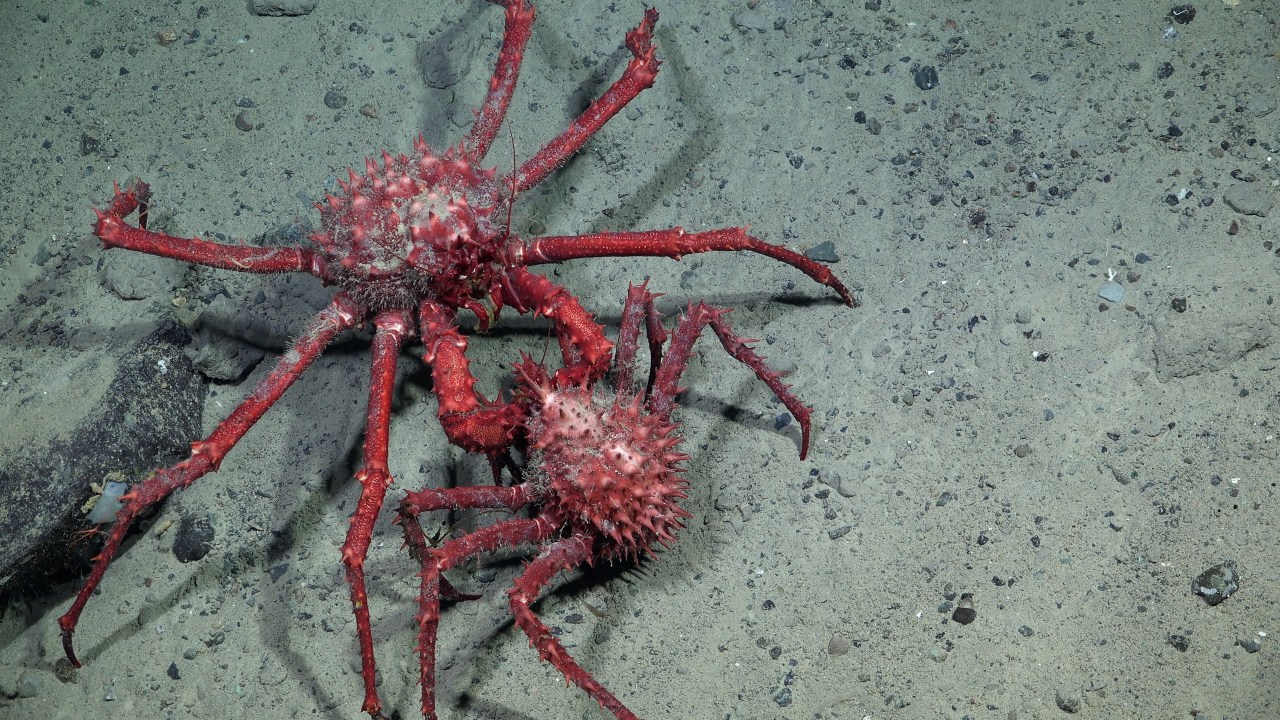
They found animal and marine life as deep as nearly 4,300 feet. The species in the newly discovered ecosystem include crustaceans, sponges, corals and octopus, many of them never seen before.
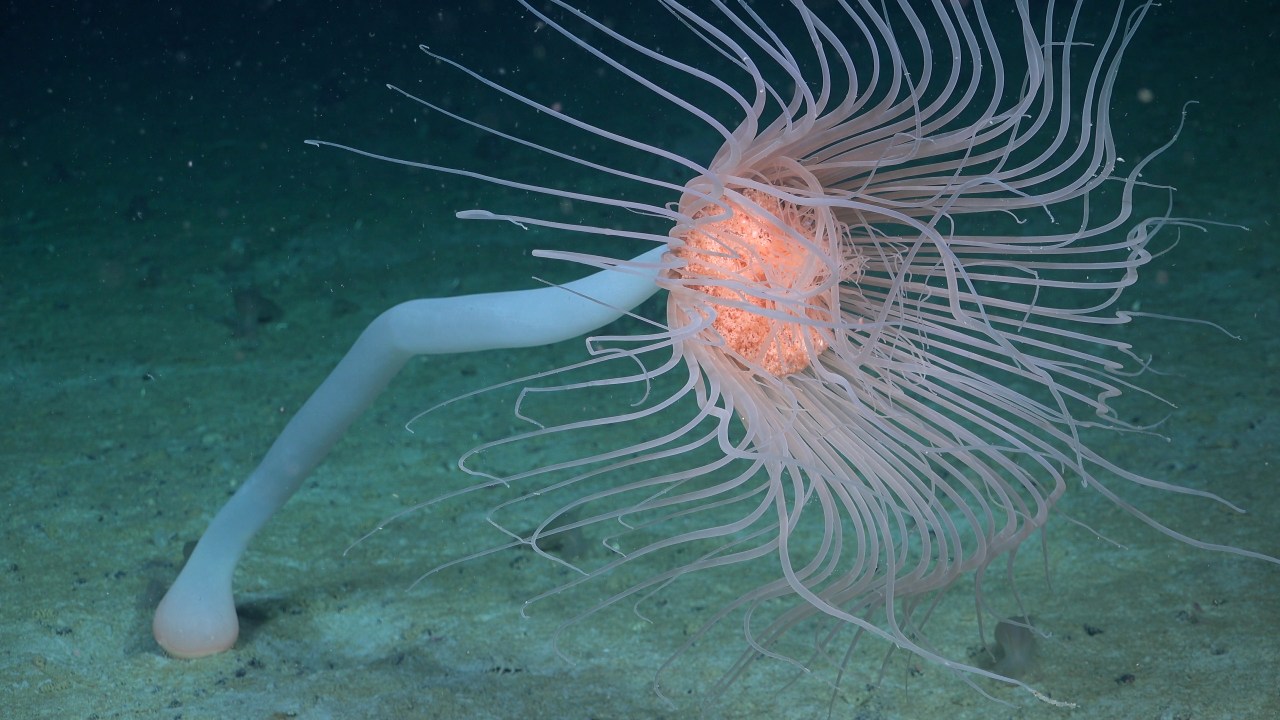
“The discovery offers new insights into how ecosystems function beneath floating sections of the Antarctic ice sheet,” the release said.
“We didn’t expect to find such a beautiful, thriving ecosystem. Based on the size of the animals, the communities we observed have been there for decades, maybe even hundreds of years,” said expedition co-chief scientist Dr. Patricia Esquete at the University of Aveiro Portugal, in the release.