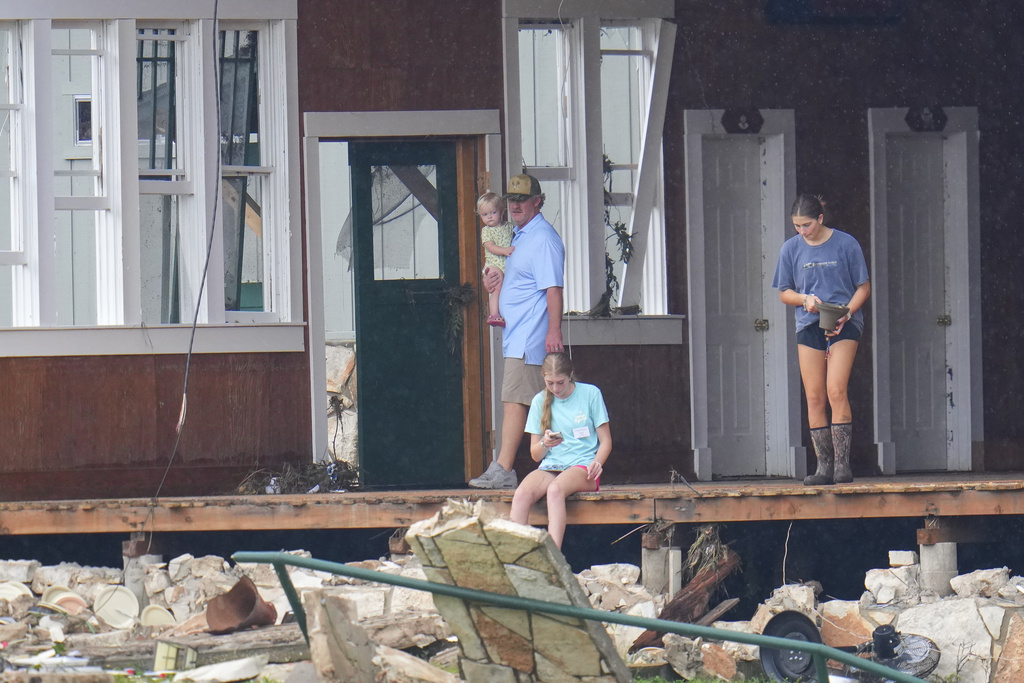
(NewsNation) — Following devastating floods across central Texas, the protocols and systems by which Americans are notified of extreme weather conditions are being called into question.
The National Weather Service is responsible for issuing forecasts, watches and warnings for a variety of weather and water hazards. Here’s what you need to know about the NWS’ alert levels.
Alerts are broken into three categories: watch, advisory and warning.
What is a weather watch?
According to the NWS, a watch is used when the risk of “a hazardous weather or hydrologic event has increased significantly, but its occurrence, location or timing is still uncertain.” The goal of this alert is to allow communities time to set plans of action into motion, especially if travel or outdoor activities are involved. If a watch alert is issued, people should pay close attention to the developing weather situation just in case it begins to escalate.
What is a weather advisory?
An advisory is issued when “a hazardous weather or hydrologic event is occurring, imminent or likely.” While this is classified as a lower alert than a warning, the NWS encourages communities to exercise caution, as a threat to life and property can become possible.
What is a weather warning?
Similar to advisories, a warning is issued when “a hazardous weather or hydrologic event is occurring, imminent or likely.” However, when this alert is issued, people in the path of the storm are urged to take “protective action” due to a serious threat to life and property.
According to NWS, the process for issuing alerts depends in part on the type of weather hazard. For example, tornado conditions develop far faster than blizzards produced by Nor’easters, so the response time for when alerts are issued is quite different. The NWS also notes that it relies on a wide range of “Doppler radar, satellite and other ground-based equipment and sensors” in coordination with teams of forecasters at the local and national level to inform their decision-making process for alerts.
National Weather Service cuts spark criticism
As search and rescue efforts continue in the wake of the deadly floods in central Texas, the Trump administration has received renewed criticism for its federal cuts to weather tracking agencies like NWS and the National Oceanic and Atmospheric Administration.
The NWS, which has 122 offices across the country, says it issued timely alerts in advance of the deadly floods on July 3 and accelerated them around 1 a.m. on July 4. In response to criticism, officials with the NWS say local law enforcement must be able to interpret those warnings, communicate them to the public and help communities prepare accordingly for weather events.