LOS ANGELES (NewsNation) — The Pacific Palisades Fire ignited in a designated “avoidance area” where California State Parks had restricted firefighting operations to protect an endangered plant species, according to newly released documents that raise further questions about the state’s response to the deadly blaze.
Text messages and avoidance maps turned over in court show state parks officials were concerned about federally endangered milkvetch plants during the initial Lachman Fire response on New Year’s Eve and communicated plans to prevent firefighters from conducting routine operations in those zones.
The Bureau of Alcohol, Tobacco, Firearms and Explosives determined the Palisades Fire reignited precisely within one of these restricted avoidance areas six days after the Lachman Fire was declared contained. The fire went on to kill 12 people and destroy 7,000 structures.
Texts show state worried about endangered plants during initial response
Text messages sent at 2:03 a.m. during the Lachman fire show state parks employees coordinating to protect the endangered plants.
“There is federally endangered astragalus along Temescal fire road. Would be nice to avoid cutting it if possible. Do you have avoidance maps?” one state parks official texted. “I have a couple of READS on standby. I’ll wait to deploy them until you get on scene and assess the situation.”
The official added, “Definitely will want to send them down if heavy equipment arrives.”
The avoidance maps, part of the state’s wildfire mitigation plan, designate areas where firefighting operations are restricted to protect native plant species and archaeological sites.
Roger Behle, an attorney representing more than 3,000 fire victims, said a state parks representative returned to the burn scar later on January 1 and told firefighters they could not use bulldozers in certain areas.
ATF confirms fire reignited precisely where operations were restricted
“The state’s narrative that they had nothing to do with it, and it’s some other agency’s fault, it’s their responsibility, it’s not ours, flies in the face of the evidence,” Behle said.
The documents contradict repeated claims by Gov. Gavin Newsom’s office that “the state wasn’t responsible for responding to or monitoring this fire.”
Photographs show state parks representatives on scene directing firefighters with maps on Jan. 1 and Jan. 2. Video from hikers shows embers still smoldering in the restricted areas days after the fire was declared contained, with 911 calls about smoke going unanswered.
California State Parks denied hindering the firefighting response.
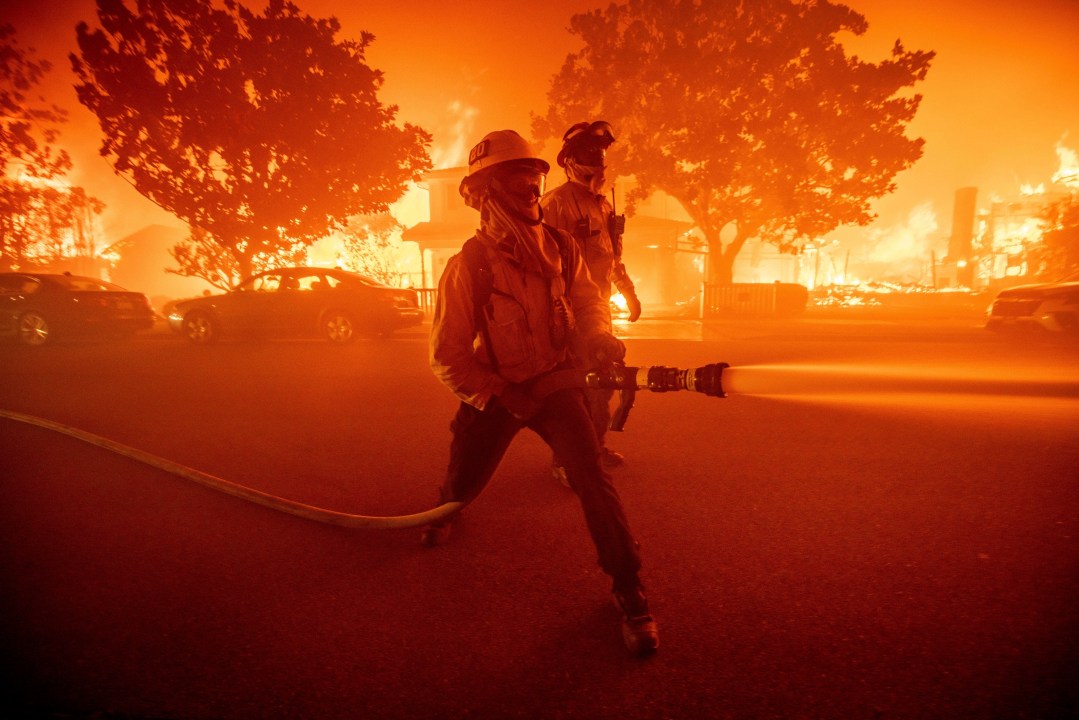
FILE – Firefighters battle the Palisades Fire as it burns multiple structures in the Pacific Palisades neighborhood of Los Angeles, Tuesday, Jan. 7, 2025. (AP Photo/Ethan Swope, File) 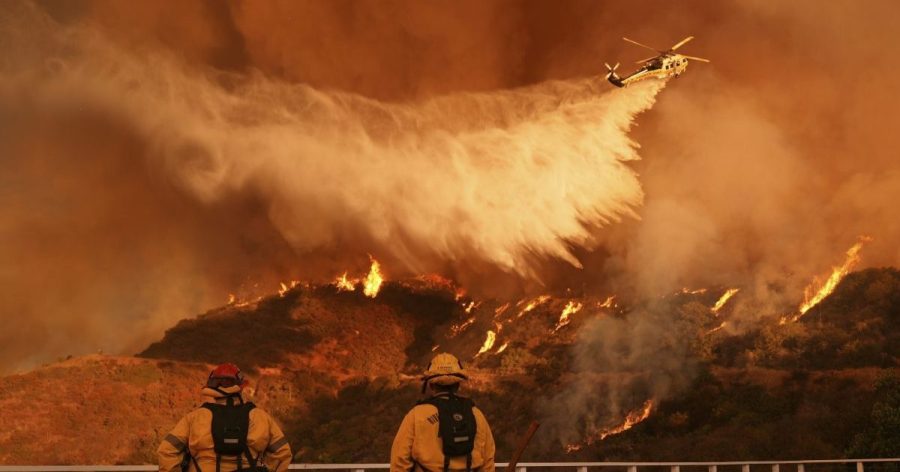
Firefighters watch a helicopter drop water on the Palisades Fire in Mandeville Canyon in Los Angeles, Jan. 11, 2025. (AP Photo/Jae C. Hong, File) 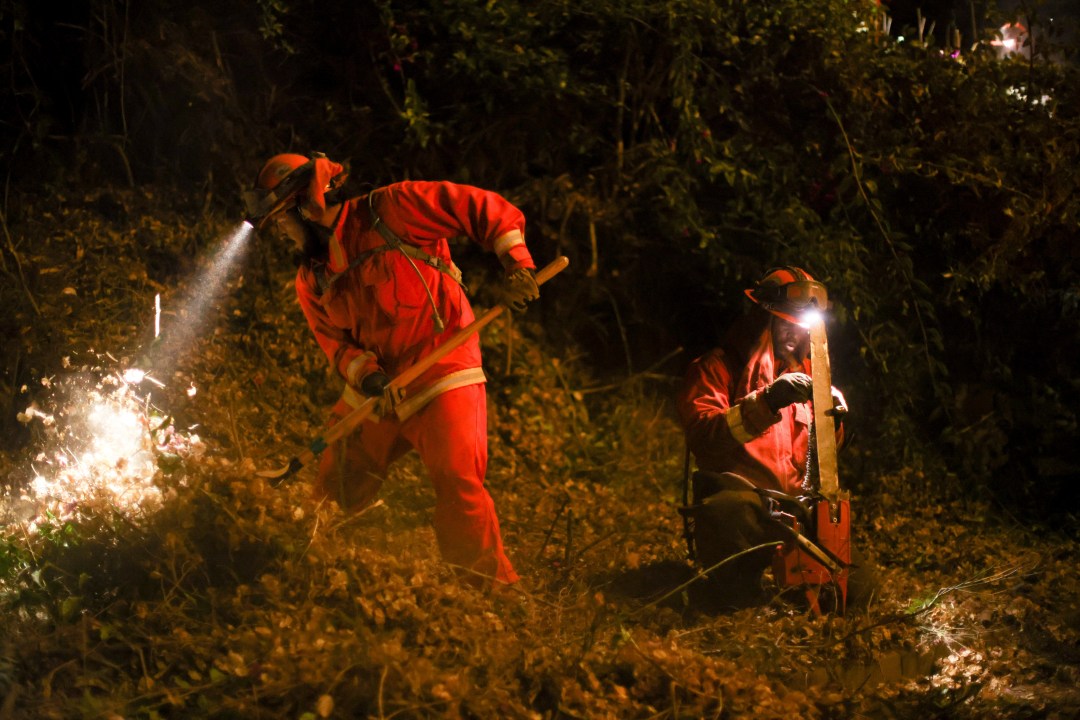
FILE – A California Department of Corrections hand crew works containment lines ahead of the Palisades Fire, Jan. 14, 2025, in Santa Monica, Calif. (AP Photo/Ethan Swope, File) 
US President Donald Trump shakes hands with California Governor Gavin Newsom as he speaks to the press upon arrival at Los Angeles International Airport in Los Angeles, California, on January 24, 2025, to visit the region devastated by the Palisades and Eaton fires. (Photo by Mandel NGAN / AFP) (Photo by MANDEL NGAN/AFP via Getty Images) 
FILE – Nancy Belanger pours water on a neighbor’s fire-ravaged property in the aftermath of the Palisades Fire in the Pacific Palisades neighborhood of Los Angeles, Thursday, Jan. 9, 2025. (AP Photo/Jae C. Hong,File) 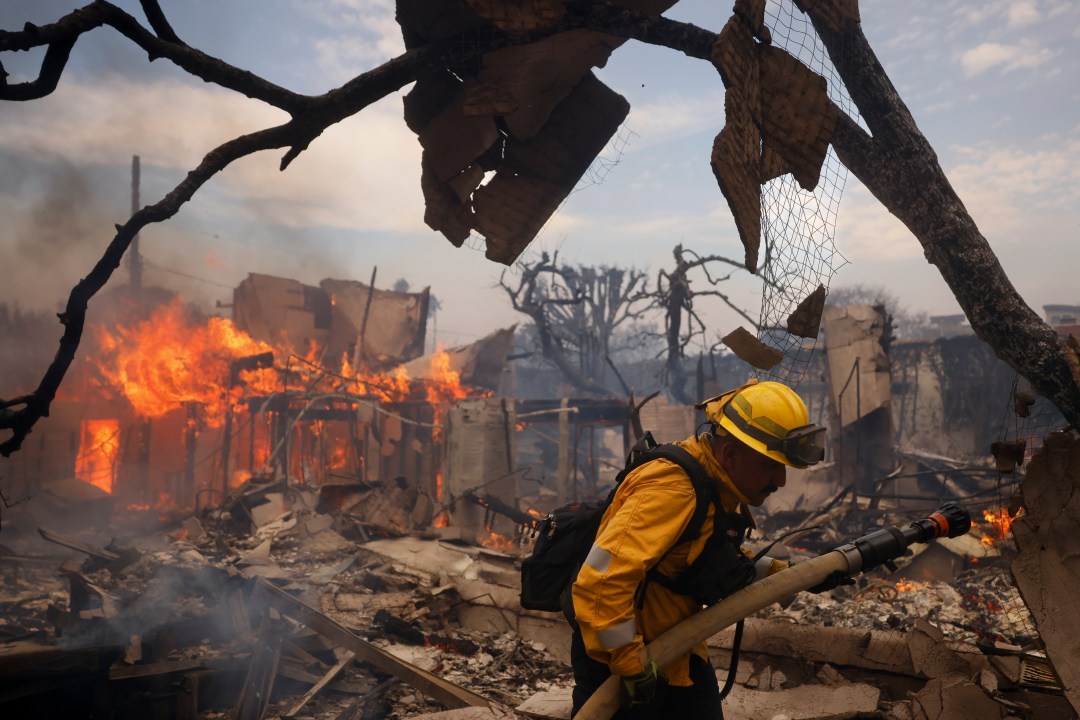
FILE – A firefighter battles the Palisades Fire around a burned structure in the Pacific Palisades neighborhood of Los Angeles, Jan. 8, 2025. (AP Photo/Etienne Laurent, File) 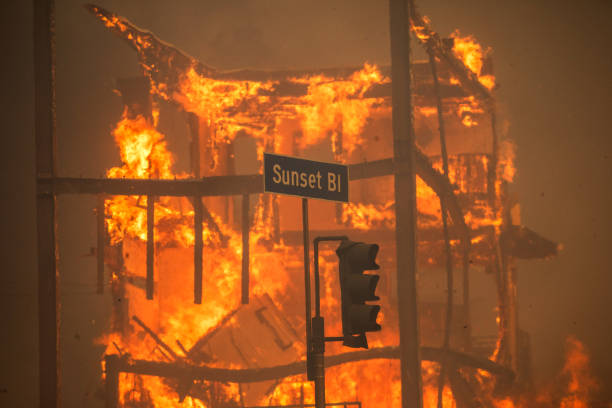
LOS ANGELES, CALIFORNIA – JANUARY 8: Flames from the Palisades Fire burn a building on Sunset Boulevard amid a powerful windstorm on January 8, 2025 in the Pacific Palisades neighborhood of Los Angeles, California. Fueled by intense Santa Ana Winds, the Palisades Fire has grown to over 15,000 acres and 30,000 people have been ordered to evacuate while a second major fire continues to burn near Eaton Canyon in Altadena. (Photo by Apu Gomes/Getty Images) 
Kevin Marshall sifts through his mother’s fire-ravaged property in the the Palisades Fire in the Pacific Palisades neighborhood of Los Angeles, Saturday, Jan. 11, 2025. (AP Photo/John Locher)
“State Parks never hinders an active firefighting response, and firefighting decisions are up to the responding agency,” a spokesperson said.
The revelations are the latest in a series of failures that have emerged in the fire response.
Text messages from firefighters showed they warned it was “a bad idea” to leave the smoldering fire but were ordered to pack up their hoses anyway.
The state initially denied being notified of the fire and having representatives on scene, claims later contradicted by LAFD call logs and photographic evidence.