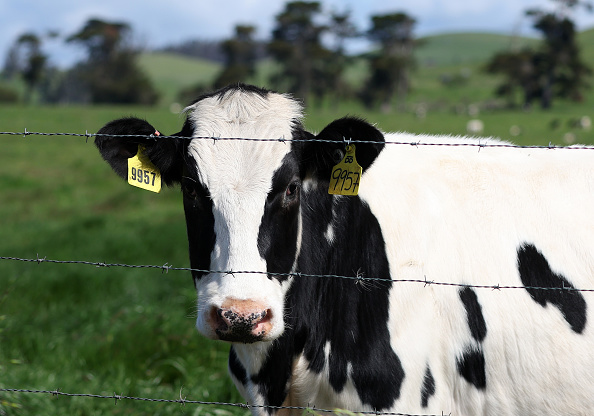
(NewsNation) — In the heart of California’s dairy country, workers kitted in respirators, face shields and gloves are grappling with one of the largest bird flu outbreaks in history. California has reported 16 human cases of bird flu this month, and worker advocates say the state isn’t doing enough to protect dairy workers.
Only 39 people have been tested for H5N1, the strain of bird flu ravaging herds of cattle, according to the California Department of Public Health. California’s confirmed cases of sick workers account for almost all of the country’s cattle-to-human transmissions, according to the Centers for Disease Control and Prevention.
Human cases in California have been mild with no hospitalizations, officials say. Sick workers have reported flu-like symptoms in addition to pink eye. There have been no documented cases of human-to-human transmission, state health officials say, and the general public’s risk is low.
The current bird flu surveillance strategy places the majority of the responsibility on farmers to self-report disease among animals and employees, which is problematic, said Elizabeth Strater, a spokesperson for United Farm Workers.
“Workers are actively avoiding testing, I can assure you,” Strater said. “We have heard directly from farmworker communities and veterinarians that they can see that there are workers out there who are sick.”
Workers, who are often low-income, can’t afford the 10-day isolation period with no pay if they are positive, Strater said.
Millions of poultry have been slaughtered since the virus first took hold in California farms two years ago, and this year the highly transmissible virus jumped to cattle, posing a new threat to those who work with the animals.
Authorities have confirmed bird flu infections at 178 California dairies since it first emerged in August, according to the state Department of Food and Agriculture, and there is no sign of infections among cows slowing. The transmission from cows to humans is thought to occur through close and prolonged contact with sick animals.