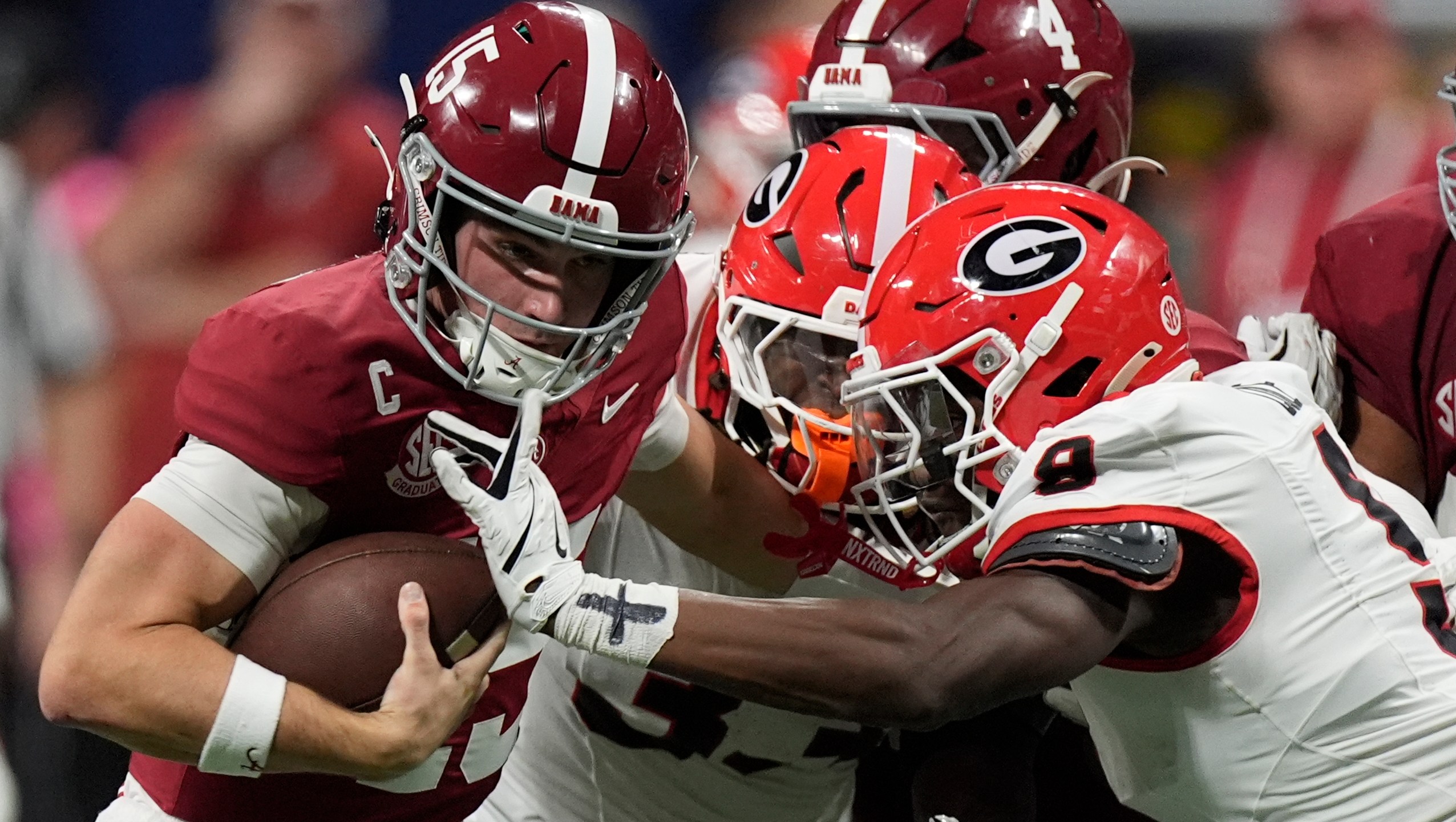
(NewsNation) — As the college football season comes to end, the transfer window portal is coming under increased scrutiny from lawmakers amid major shakeups across conferences.
While lawmakers can suggest national standards, only the governing body of collegiate sports, the NCAA, can regulate how the transfer window operates. But that hasn’t stopped lawmakers such as Sen. Ted Cruz from weighing in with concerns over how it is being run. In a post on X on Dec. 29, Cruz described the current transfer system in collegiate sports as “an absolute crisis” that could become “an utter tragedy.”
In July, President Donald Trump signed an executive order that “prohibits third-party, pay-for-play payments to collegiate athletes,” but it didn’t really have teeth. Both Trump and Cruz’s commentary come as a growing number of collegiate sports fans express unhappiness over the direction collegiate football is heading. Many fans are complaining that there’s no loyalty anymore from either athletes or coaches.
Take Iowa State, for example. Longtime coach Matt Campbell just left for a vacancy at Penn State, and a handful of players left, too. Only one starter is planning on sticking around at the university, essentially forcing the school to assemble an entirely new roster before spring ball begins in a few months.
The coaching carousel is also to blame, with play callers also searching for the best deal out there. Lane Kiffin made headlines this year for abandoning his playoff-bound Ole Miss team to sign a $91 million deal with Louisiana State University.
But the flipside of the equation, the way the sport is currently structured, also opens new opportunities for fresh faces that never stood a chance of competing on the biggest stages. Schools like Vanderbilt and Indiana are against the legacy programs like Alabama and LSU.
“There’s a message here. If you want to be competitive in football, you can. You’ve just got to go find the money and get the money and spend the money the right way,” Jason Fitz, host and analyst of Yahoo Sports. “That’s all a lot of ‘justs, ‘ but hey, it’s within your control.”
The devil’s advocate also wonders why Americans are so deeply invested in fixing college sports. Specifically with the pay structure for these young people, when nobody is worried about the financial ramifications of talented singers, dancers, social media influencers and burgeoning online celebrities.
It is worth noting that college sports are a big business and student athletes can get paid in several ways. There’s the traditional scholarship, the NIL endorsements from local businesses and sponsors, and then direct payments from schools through a revenue-sharing model.
But it’s not always fair. Football always captures the most money, leaving smaller college sports like swimming and track and field in the dust. And what about women’s sports? Those athletes are lucky to get a couple thousand bucks from a local car dealership commercial compared to what the men on the gridiron.
A recent ESPN analysis interviewed agents and general managers in the college football landscape about the price tag of different positions. As captains of the offense, quarterbacks make the most, with the ceiling reaching $2 million. But one agent said a good SEC quarterback is worth $3 million. Wide receivers and defensive tackles both make just under a million. Tight ends are at the lowest end of the spectrum, but still earn around $400,000.
Despite the revenue-sharing model, which attempts to keep things fair for all schools across the Power Four conferences, it pays better to be part of the legacy conferences.
Agents say SEC and Big 10 programs continue to outspend the ACC and Big 12, regardless of the revenue share cap.