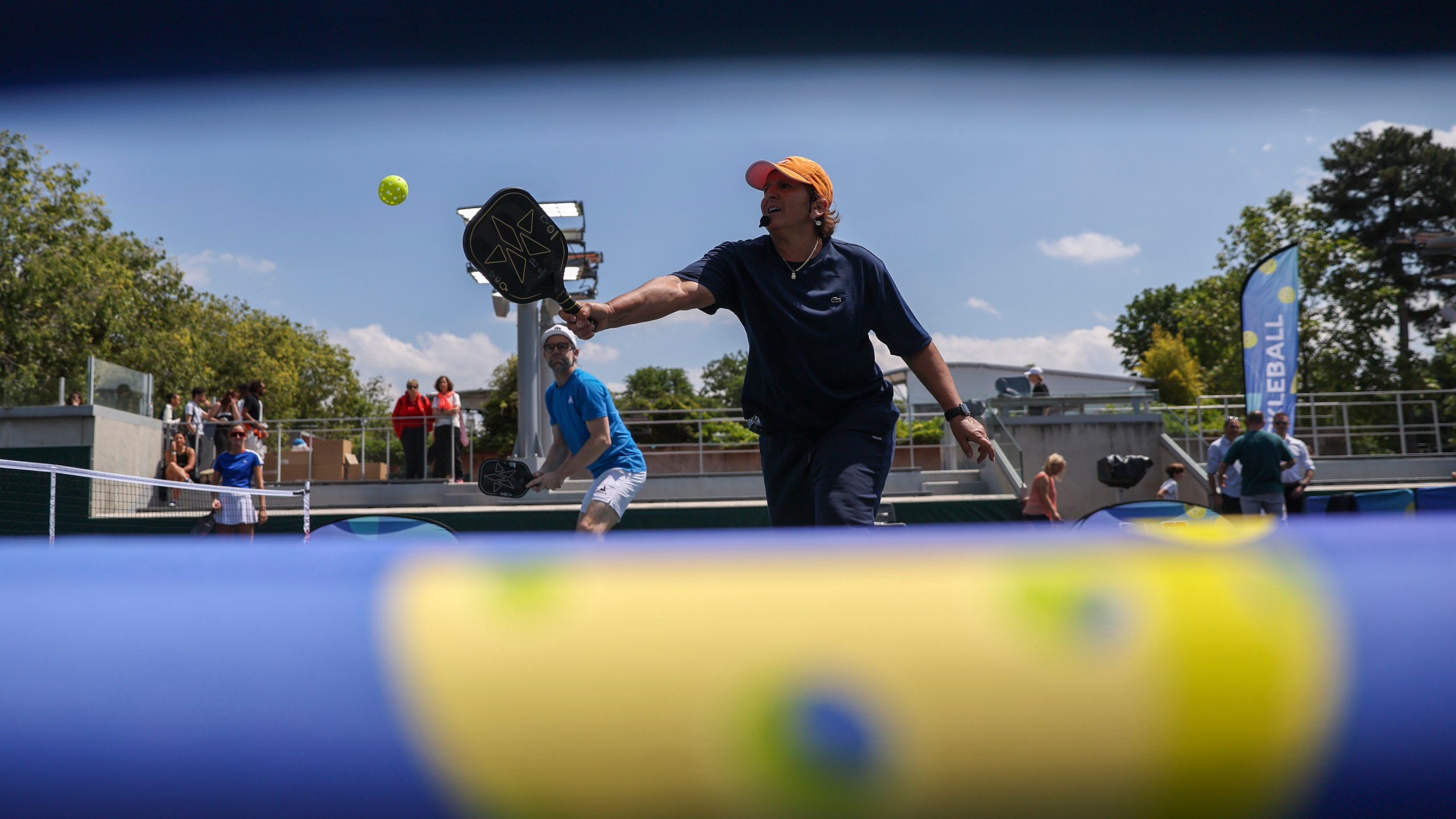
(NewsNation) — Pickleball is the fastest-growing sport in the United States, and its recent surge in popularity is contributing to an increase in eye injuries while playing the sport, a recent report shows.
A study published in JAMA Ophthalmology on Thursday suggests that “pickleball-related eye injuries have increased at an alarming rate over the past 4 years,” coinciding with the sharp increase in the sport’s popularity.
The study examined a nationally representative sample of hospital emergency room visits for eye injuries sustained while playing pickleball from 2005 to 2024.
Eye injuries from pickleball increasing at ‘alarming rate’
There have been an estimated 3,112 pickleball-related eye injuries that brought players to emergency rooms between 2014 and 2024, with roughly 1,262 injuries occurring in 2024 alone. Players 50 and older represented 70% of those injuries, which may be related to decreased “muscle mass, bone density, and balance,” according to the study.
No eye injuries related to pickleball were reported before 2014, and between 2014 and 2021, an estimated 200 per year were reported. However, as the sport took off post-pandemic, the number grew to about 405 cases a year from 2021 to 2024.
The injuries reported in the study range from less severe, such as periocular lacerations, which are cuts around the eye, to vision-threatening injuries, including retinal detachments, globe trauma, orbital fractures and hyphema.
Pickleball’s rise in popularity could be related to ‘influx of casual players’
The study notes that recent surveys suggest that the uptick in pickleball participation could be “driven by the influx of casual players, defined as those who play fewer than 8 times per year.”
“Although the increase in ocular injuries may simply reflect the increasing number of players, it is also possible that casual players are more susceptible to injury due to limited experience,” researchers added.
Eye protection isn’t required for casual or professional play, but the study recommends “establishing standardized guidelines for eye protection” in order “to reduce the risk of ocular injuries among players.”