(NewsNation) — A federal judge found probable cause to hold the Trump administration in criminal contempt for willfully disobeying his March 15 order to return two deportation flights that were in the air.
The legal showdown has been escalating for weeks and could bring the two branches of government to a head.
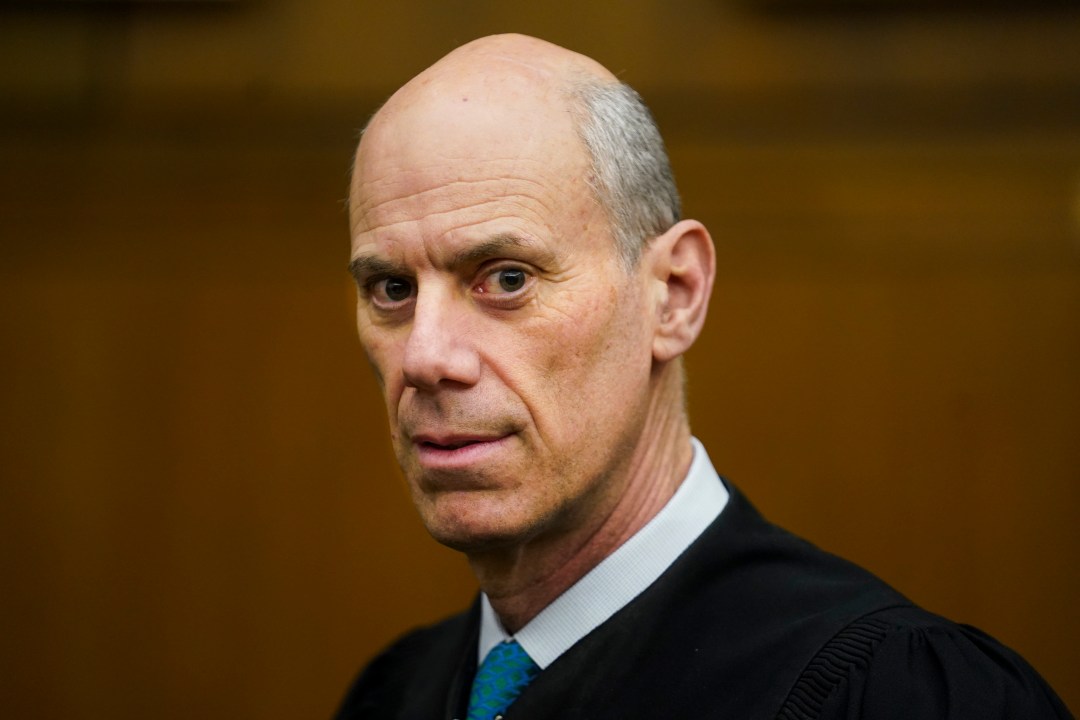
U.S. District Judge James Boasberg accused administration officials of rushing deportees out of the country under the Alien Enemies Act last month before they could challenge their removal in court, and then willfully disregarding his order that planes already in the air should return to the United States.
While the Supreme Court later granted the administration’s request to scrap Boasberg’s order, the administration still faces possible criminal contempt for the original ruling.
Boasberg said the government could avoid contempt proceedings if it took custody of the deportees, who were sent to the El Salvador prison in violation of his order, so they have a chance to challenge their removal.
The administration said it would appeal.
Has the Trump administration defied court orders on deportation flights?
No one has the right to defy a court order, not even the president, David Cole, a professor of law at Georgetown University, told NewsNation.
But Trump nor his administration has, at any point so far, said they have or can ignore court orders, he noted.
“It remains to be seen whether they defied the court’s order, but they are not arguing they have the authority to do so, they are arguing that they did not,” he said.
That line of defense is used frequently by defendants, including government bodies and officials, Cole added.
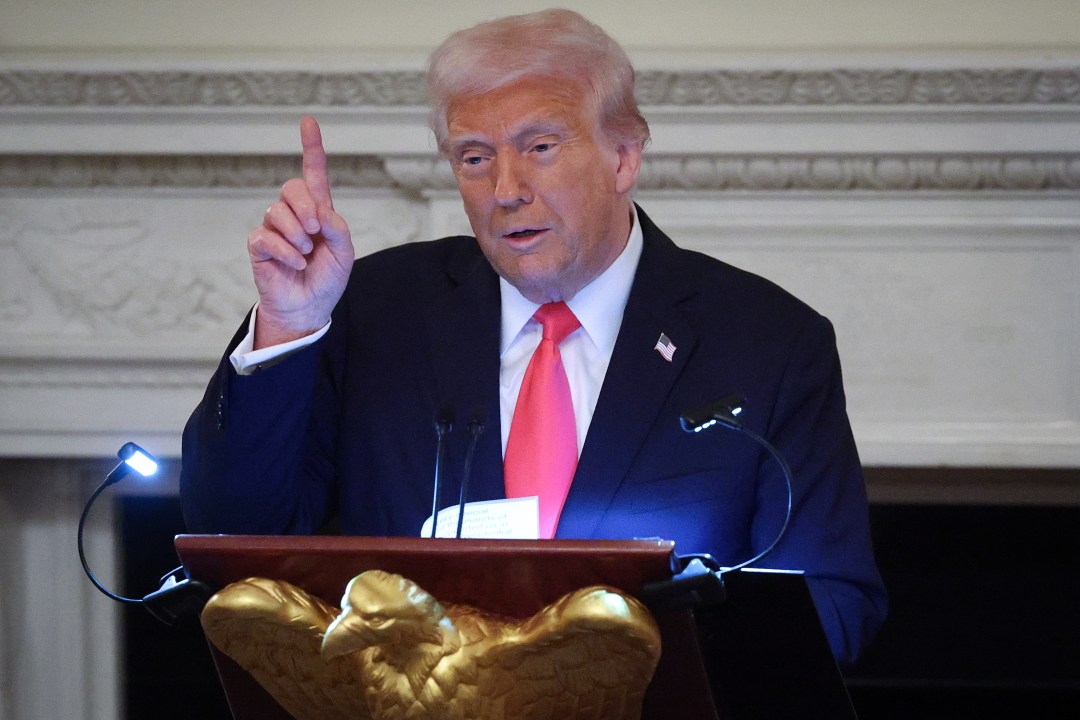
The administration had previously argued that the court order had its limits and that there were special circumstances as to why those deportation planes didn’t turn back.
One of their arguments asserts the “state secrets privilege,” which allows the government to block the release of information in a lawsuit that could harm national security.
The Justice Department has also said the judge’s verbal directions to halt flights did not count. It argued that only his written order needed to be followed and that it couldn’t apply to flights that had already left the U.S.
“They’re going to try to read orders narrowly and see if they can do things that they believe are outside the order. Every administration does that,” Saikrishna Prakash, a professor at the University of Virginia Law School, said. “They are not openly going to say they’re going to ignore a court order.”
But if at any point the administration does say they’ll ignore the order, the U.S. would hit a “constitutional red line,” Cole said.
“A constitutional democracy rests on the proposition that the political branches are bound by the Constitution, that the courts have the authority to say what the Constitution means, and if you lose before the court, you have to follow the law,” he said.
“Otherwise, you don’t have a system of rule of law.”
What happens when a court order is ignored?
If a defendant does not abide by a court order, the court can hold them in contempt, which may be punishable with fines or jail time.
For contempt proceedings against the federal government, fines may target a noncompliant agency as a whole, or the head of the agency may face personal fines or imprisonment, according to the Congressional Research Service.
But while federal courts are sometimes willing to hold federal agencies and officials in contempt, they rarely impose sanctions of fines or imprisonment due to issues of sovereign immunity, which limits the ability to sue a government without its consent.
Even in the cases where a government agency is held in contempt, appellate courts have often halted the proceedings, the report noted.
Shawn Donahue, a political science professor at the University at Buffalo, said Trump himself wouldn’t be held in contempt, but rather an agency or an official, because a sitting president cannot be prosecuted.
How does the court enforce sanctions?
Another issue that may complicate the matter is that court sanctions are enforced by the U.S. Marshals Service, which falls under the Department of Justice.
This has led to some concern that if the executive branch chose to defy a court order, it might also seek to prevent the U.S. Marshals from enforcing contempt sanctions.
Outside of contempt, there’s not much more a court can do, Donahue said.
“The long and short of it is that the courts have to count on some kind of buy-in from officials that they’re going to follow court orders,” he said.
Have courts held federal agencies in contempt before?
While rare, this type of legal lock between federal courts and agencies is not unprecedented.
In 1999, a federal judge held the secretaries of the Treasury and Interior departments in contempt of court for repeatedly failing to produce court-ordered records in the largest lawsuit ever brought by Native Americans. The sanction the judge imposed was limited to paying the fees of the plaintiff’s attorneys.
In 2001, a federal judge held then-Interior Secretary Gale A. Norton in contempt after a trial for misleading a judge and for filing inaccurate reports regarding money owed to tribes.
A federal judge in Louisiana held the Interior Department in contempt again in 2011 over what he called “dismissive conduct” by blocking offshore oil drilling after an oil spill.