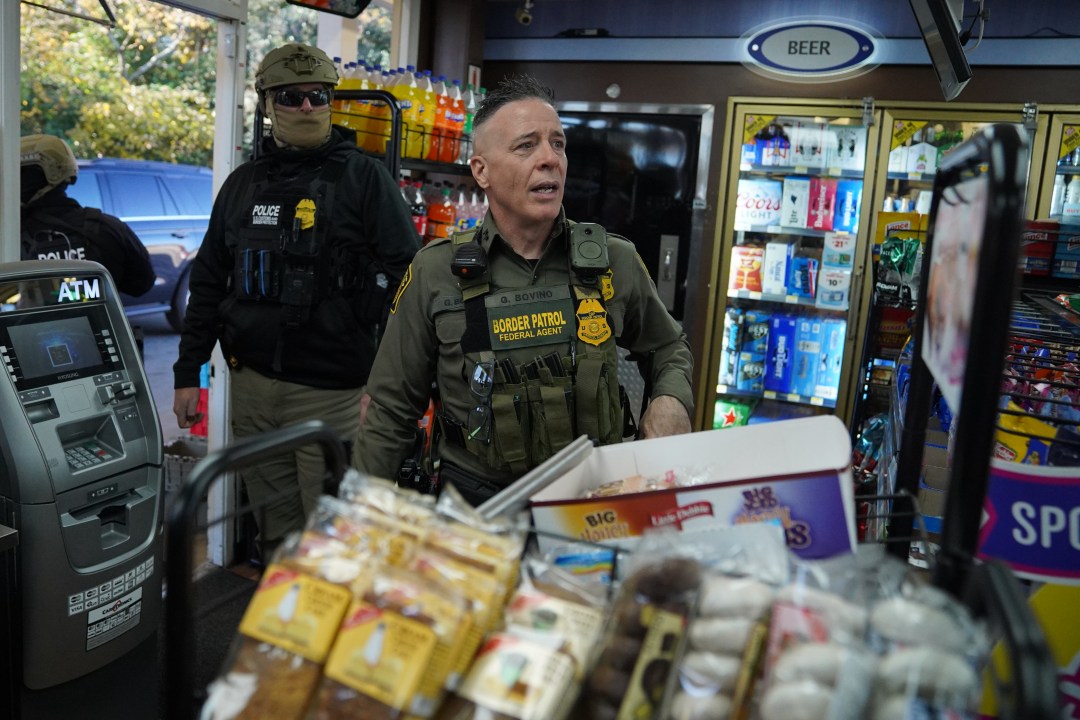
CHARLOTTE, N.C. (NewsNation) — United States Border Patrol Commander Gregory Bovino and a large contingent of federal agents have moved out of North Carolina’s largest city in advance of the next planned immigration enforcement operation.
Border Patrol agents made more than 280 arrests over five days amid protests and criticism from Democratic lawmakers, including North Carolina Gov. Josh Stein. However, as federal agents and Bovino make their way to New Orleans, grassroots organizations remain vigilant.
The Department of Homeland Security announced Thursday that Immigration and Customs Enforcement officers made 100 arrests during the Charlotte operation, driving the total number of apprehensions to nearly 400.
Despite the departure of Bovino and hundreds of agents, advocacy groups opposed to the presence of federal troops are meeting with residents. In training sessions, residents are being encouraged to stay alert for federal law enforcement officers and agents who will remain in North Carolina as part of President Donald Trump’s illegal immigration crackdown.
Organizations like Siembra are holding organizational meetings designed to help residents spot federal agents and officers operating across North Carolina. The group met with residents at a local church on Wednesday night at a time when residents have been assigned specific watch zones to monitor agent activity. Those who are part of the collection of residents are all connected through a group chat that keeps members aware of what is happening across the city.
Volunteers are given vests to identify themselves and whistles, which they are instructed to blow if they see an arrest take place. The group says its mission is to report active federal operations and document unlawful tactics by federal agents.
Like he did in Chicago, Bovino has defended Border Patrol’s tactics in what DHS officials say is a targeted operation. However, Stein and other Democrats have accused federal agents of grabbing “random” people off of local streets while operating in the shadows by driving unmarked vehicles and wearing masks.
Community concerns continue after the feds’ departure for other operations
Despite operating in North Carolina for less than a week, the presence of federal agents has taken its toll on everyday life. The Charlotte-Mecklenburg School District reported that unofficially, more than 56,000 students did not attend school Monday and Tuesday. That represents more than 20% of the district’s overall enrollment, calling for some parents to demand that the district allow students to attend school remotely.
Superintendent Crystal Hill told parents at a school board meeting this week that moving to remote learning has been the top request the district has received in recent weeks. But Hill said that doing so would create significant problems for students who depend on schools for basic needs.
“Going remote may address one concern, but there are multiple unattended consequences: thousands of students without breakfast or lunch, thousands of students don’t have access to school-based caring adults to support those who have experienced or have been exposed to what is happening in our community,” Hill said at the meeting.
Stein and others say that the federal agents are stoking fear in Charlotte communities. Residents have told NewsNation that anxiety is being felt by immigrants and U.S. residents alike, keeping some residents from attending work and diminishing foot traffic for local businesses.
That has prompted groups like Siembra to empower residents to stand up for themselves, but to do so in a way that won’t lead to trouble.
“We are training them to show up powerfully,” said Willis Garces, the group’s senior strategist. “But not to interfere and not to impede. We think our role is to document, observe (and) report. And that’s what we’re training them to do.”
That directive comes as DHS officials have warned residents not to interfere with federal agents. Among the criticisms of the immigration crackdown is that U.S. residents are being arrested by federal agents. Social media videos have shown federal agents breaking the windows of vehicles amid DHS allegations residents are interfering with federal agents and assaulting those working as part of the operation.
“Resisting arrest puts the safety of illegal aliens, law enforcement, and the public at risk,” DHS Assistant Secretary Tricia McLaughlin told NewsNation this week. “Still, these activists are not slowing us down or stopping us. … We are once again calling on sanctuary politicians, agitators, and the media to turn the temperature down and stop calling for violence and resistance against ICE law enforcement.”
Border Patrol agents are operating in other efforts around the US
As the focus remains on cities like Charlotte, New Orleans and New York, where White House border czar Tom Homan said this week federal immigration enforcement will soon ramp up, other forms of enforcement are taking place in other parts of the country.
Border Patrol agents are also monitoring drivers’ license plates through a network of hidden cameras that monitors traffic activity. The system uses an algorithm to flag suspicious traffic patterns based on where drivers are leaving from, where they are headed and the path they take. Those alerts are then passed on to local law enforcement, which has created a large swath of patrols in cities like Chicago, Los Angeles, Detroit and Houston.
DHS Secretary Kristi Noem recently was in Gary, Indiana — 35 miles outside of Chicago — announcing a crackdown on immigrant truck drivers and targeting those who have either been previously ordered to leave the United States or who may have criminal convictions that have placed them on the targeted enforcement list for federal agents.