(NewsNation) — Customs and Border Patrol Protection is offering double pay to retirees who previously left the agency as a way of adding to its ranks amid a staffing shortage that has existed for at least 10 years.
The federal immigration enforcement agency recently announced re-employment initiatives for retirees, seeking to add to a workforce that President Donald Trump pledged to grow by more than 20,000 federal agents and officers as part of his crackdown on illegal immigration. But as CBP continues to struggle to maintain its staffing levels, retired agents are being offered a dual compensation waiver that would pay them their full retirement pay plus a full salary, the agency announced.
The commitment involves accepting an appointment that lasts anywhere from 1 to 4 years, all while continuing to keep their retirement benefits intact.
“These initiatives recognize the invaluable experience and dedication of our former personnel,” Melvin Harris, CBP’s acting assistant commissioner for Human Resources Management, said in a statement issued by the federal agency. “Their expertise is an asset to CBP, and we’re honored to welcome them back.”
CBP is seeking to hire re-employed Border Patrol agents and CBP officers as part of the staffing push. To qualify for the dual compensation waiver, applicants must have been retired for at least a year.
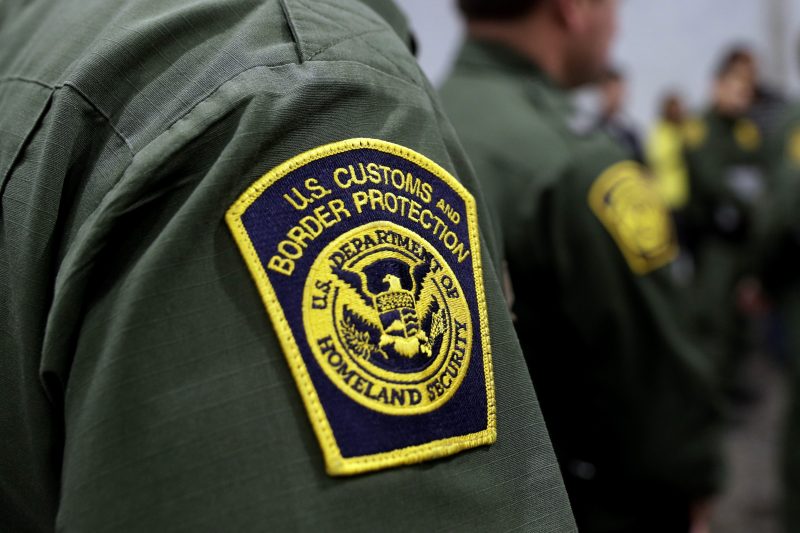
However, a 2024 report issued by the U.S. Government Accountability Office indicated that chronic staffing shortages continue to exist despite increased recruiting efforts and incentives. Last year, the U.S. Border Patrol offered a $20,000 signing bonus and an additional $10,000 bonus for new hires willing to accept jobs in remote locations.
By comparison, Immigration and Customs Enforcement is offering $50,000 signing bonuses and reimbursement of educational costs to incentivise applicants to join ICE. Homeland Security officials have previously told NewsNation that more than 18,000 job offers have been extended to applicants.
The report said that CBP saw applications for open positions generally decrease between 2018 and 2022 due to several factors, including the COVID-19 pandemic and a lack of services being offered in remote areas of the United States. In addition, negative perceptions of working in law enforcement added to CBP’s woes, which only improved slightly between 2022 and 2023.
But other issues have added to the challenges of CBP adding more agents. The Government Accountability Office report indicated that only 2.5% of those who apply for open CBP roles complete the required training and are assigned to active duty. Stringent hiring requirements, including passing a polygraph test and drug screening, have kept more applicants from being hired.
However, the 2.5% acceptance rate that was reported between 2018 and 2024 was up from 1.9% between 2013 and 2017, the report indicated.
The government report indicated that CBP has made efforts to streamline its hiring practices and has modified its polygraph examination to reflect revisions of its previous restrictions on prior use of marijuana by applicants.
Last year, the National Treasury Employees Union reported that CBP would need to ramp up hiring over the next three years to make up for a spike in expected retirements in 2028. At the time of its news release, NTEU reported that Customs and Border Protection’s workforce was more than 5,800 officers shy of meeting its staffing needs.
Troy Miller, the CBP Commissioner at the time, said that the agency was anticipating a 400% increase in retirements in 2028. The union, which represents about 35 federal agencies, including CBP, said that at least 2,200 agents were expected to retire in 2028. An average year typically sees about 500 retirements, the union said. That has forced CBP to try to “over-hire” in the coming years to avoid seeing staff shortages grow when the number of retirements grows.