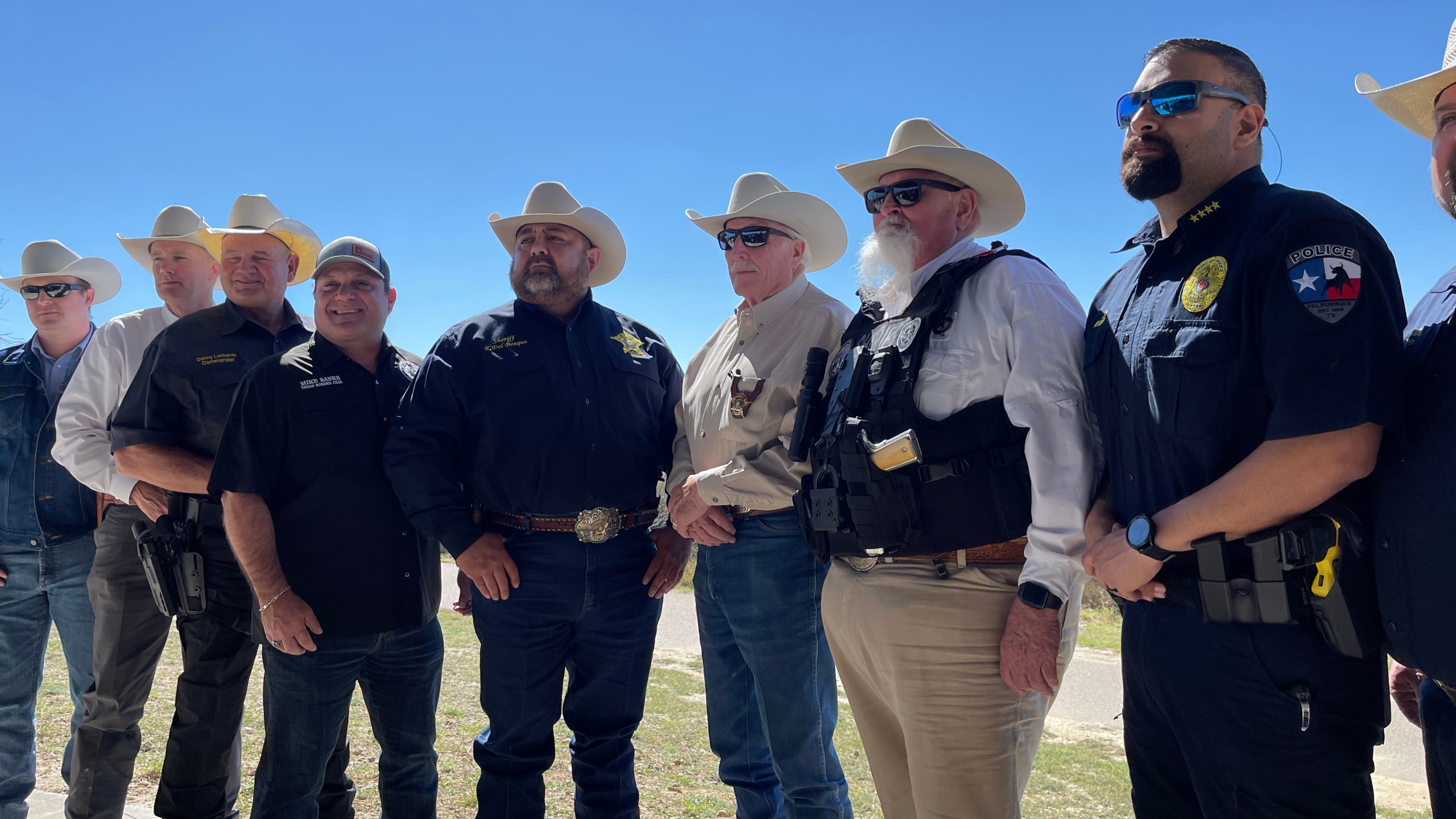
(NewsNation) — President Donald Trump’s proposed “big, beautiful bill” carves out more than $70 billion for border security and immigration enforcement, but local sheriff’s offices assigned to the front lines of the crisis could also see benefits that extend well beyond the funding.
If passed, the bill earmarks more than $46 billion for a border barrier system and more than $6 billion to hire and retain more federal border agents. But it would also provide the Department of Homeland Security with an additional $12 billion to distribute to individual states in border security reimbursements that can be used as states see fit.
That could go a long way for sheriffs like Mark Dannels, who has worked in rural Cochise County, Ariz., for more than 41 years. Dannels, a Republican and the chair of the Border Security Committee of the National Sheriff’s Association, has always been willing to do his part to assist federal immigration agencies going after “the worst of the worst.” But doing so comes at a cost for smaller sheriff’s departments like his, where financial and manpower resources are limited and where the bottom line still matters.
“If we’re going to be part of the investigative branch of (immigration enforcement),” Dannels told NewsNation, “then we need to be funded for it.”
How local departments could use federal reimbursement funding
Cochise County led the nation in migrant “gotaways” and fentanyl seizures during the Biden administration, Dannels said. But getting a slice of the federal funding pie allows Dannels to invest more in his Criminal Interdiction Team, which focuses exclusively on border-related state crimes like smuggling and human and drug trafficking.
Other money will help cover Cochise County’s expanded county jail population over the past 3 ½ years, when more than 4,000 people (44% of all county inmates) were incarcerated for border-related crimes at a cost of $12 million to local and Arizona taxpayers, Dannels said.
Cochise County’s Sheriff’s Department partners with 100 federal and state agents to patrol 83 miles of the U.S.-Mexico border. Despite strong existing partnerships, Dannels said departments like his felt “abandoned” by the Biden administration. While Trump wants more cooperation between agencies like Immigration and Customs Enforcement and local deputies, Dannels can’t offer that assistance for free.
“At the end of the day, we’re going to keep working together,” Dannels said, “and (lawmakers) know that if they can’t fuel the car, it’s not going to run.”
Resources spread thin at ‘Ground Zero’ sector in Texas
Tom Schmerber, a Democrat, serves as the sheriff in Maverick County, Texas, which is home to Eagle Pass, the epicenter of the migrant crisis since it began.

Schmerber told CBS Austin that his department is willing to help with border protection. But because of his limited budget and resources, which include only 30 deputies to work around the clock to provide local law enforcement county-wide, Schmerber remained leery about offering his deputies up to help with immigration enforcement in the 74 border miles along the Rio Grande River the department covers.
“I’m not going to do immigration work,” Schmerber, a former U.S. Border Patrol agent, told CBS Austin. “I want to be working as a backup security to make sure nobody gets hurt, and if we have to go in and arrest somebody, we’re going to do it when we work the highways.”
Schmerber did not respond to multiple requests for comment about the federal funding his department may receive. But lawmakers like U.S. Rep. Tony Gonzales, R-Texas, say that under the $12 billion reimbursement portion of the bill, local departments will get the financial help that many agencies insist was lacking under the Biden administration when illegal border crossings skyrocketed.
“After four years of disastrous national security and economic policies, we’re putting America back on the right track,” Gonzales told NewsNation.
California officers limited by state law
Deputies like those working in Riverside County, California, for Sheriff Chad Bianco face a different challenge.
Bianco, a vocal Republican who is seeking to become the state’s first Republican governor since Arnold Schwarzenegger, says his department feels handcuffed by the California Values Act, the state’s sanctuary law that was passed in 2017.
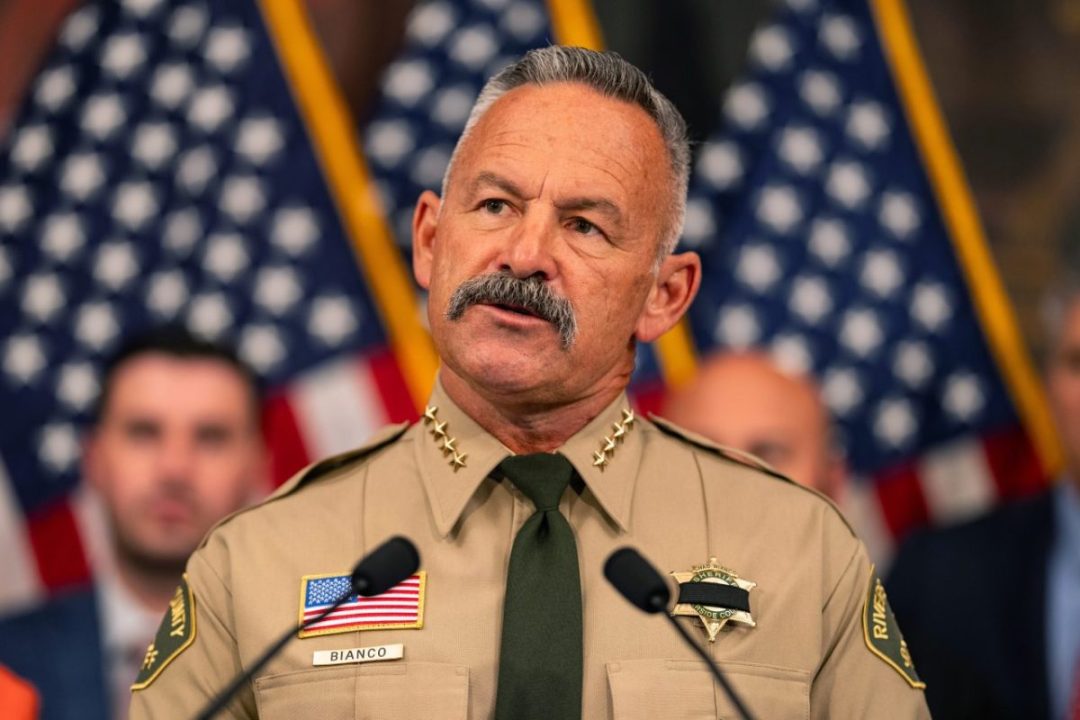
In addition to preventing local law enforcement from cooperating with federal immigration agencies, it also prevents deputies from asking about a person’s immigration status during an investigation.
Bianco says many times, the law has forced deputies to release someone they believe to have broken the law, which he said ultimately puts more people at risk, adding that currently, “I absolutely am not doing what my part is,” Bianco told NewsNation.
If elected governor, Bianco has pledged to repeal the sanctuary law immediately after he said it has kept his department from properly serving and protecting residents in Riverside County, which includes a large immigrant population.
More federal presence means more local law enforcement
Despite his personal and department-wide frustrations, Bianco says that since Trump took office, more federal immigration agents have made their way to Riverside County from the border. Those agents have a larger presence in an area where human and sex trafficking, along with border-related drug offenses, are prevalent. He calls the shift a “night and day difference” from what was happening a year ago.
More funding from Trump’s bill, if passed, could mean more money in government grants that the Riverside County department has relied on in the past to handle border-related crimes. Because his deputies cannot inquire about a person’s immigration status, Bianco says he can’t accurately pinpoint how much Riverside County crime involves those offenses.
Yet, even if he were successful in repealing California’s sanctuary laws, Bianco has no interest in his department getting into the immigration enforcement business. Instead, he just wants to feel like deputies are doing their part.
“It has nothing to do with immigration enforcement – that’s their job, and we have never cared about doing their job,” Bianco told NewsNation. “We need that tight-working relationship … We must have that interaction with them so we can keep everyone safe, and this law, the sanctuary state law, absolutely prevents that.”