McALLEN, Texas (Border Report) — More cases of New World screwworm have been found in a Mexican border state.
Texas Agriculture Commissioner Sid Miller said Thursday that eight new cases of the deadly pest were found in the Mexican border state of Tamaulipas.
A total of 11 cases of screw worm have been reported in Tamaulipas since Dec. 30.
Miller was told by Mexico’s Agro-Alimentary Public Health, Safety, and Quality (SENASICA) agency of the new cases.
And he says it’s worrisome for South Texas border communities.
“It’s just plain cowboy logic — when you’re seeing this many cases, this fast, it tells you there may be established screwworm fly populations in Tamaulipas,” Miller said in a statement. “We’re grateful sterile fly deployment has begun, but make no mistake: Texas producers need to stay on high alert along our border.”
The Texas cattle industry says if screwworms cross the border, it could devastate livestock and cost the industry $2.1 billion in damages.

The Texas Department of Agriculture has not received confirmation that the affected animals reported by SENASICA have a history of movement outside Tamaulipas, raising concerns that the pest may now be spreading naturally rather than being introduced through animal movement, Miller’s office says.
The Texas Department of Agriculture is working closely with federal officials, including the USDA, as well as animal health partners and Mexican officials.
Inspectors have been deployed as well as surveillance and traps along the border. However, Miller urges Texas livestock owners north of the border to take preventive action now.
“Producers should be checking livestock every day and treating any wound as a potential entry point,” Miller said. “Pay close attention to navels on young animals, isolate anything suspicious, and report concerns without delay. Early detection and aggressive surveillance are how we protect Texas livestock.”
His agency has activated a trapping plan to bolster early detection across high-risk areas along the Texas-Mexico border including at:
- Ports of entry
- Livestock export facilities
- Other locations where pest introduction or livestock movement risk is highest
Currently, all southern ports of entry are closed to livestock trade.
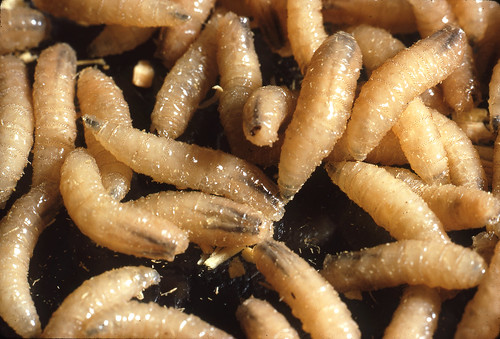
New World screwworm larvae can burrow into the flesh of animals, livestock, pets, birds and even people. They can kill animals in two weeks by causing infections and feeding on wounds with their screw-like teeth.

The screwworm has been detected as close as 70 miles from the South Texas border in Sabinas Hidalgo, in the northern Mexican state of Nuevo Leon.
The first screwworm case was reported in Tamaulipas in late December. But, so far, most of the pests have been spotted in southern Mexico.
The U.S. Department of Agriculture operates a real-time website for updates on the screwworm located here.
There have been over 13,200 cases of screw worm reported in Mexico as of Jan. 7, according to the USDA website. That includes nearly 700 cases in the state of Campeche, and nearly 2,000 cases in the state of Veracruz.
Sandra Sanchez can be reached at SSanchez@BorderReport.com.