(NewsNation) — Federal immigration officials who are now hoping to bump deportation numbers are offering a “holiday bonus” for those willing to self-deport, but an immigration attorney believes it has an air of desperation.
Homeland Security Secretary Kristi Noem says the bump from $1,000 to $3,000 is done with the spirit of the holidays, crediting “generous” U.S. taxpayers for tripling the incentive bonus.
The federal agency’s messaging doesn’t sit well with LaToya McBean Pompy, a New York-based immigration attorney who accuses DHS officials of misleading advertising. That includes a social media post in which the agency promotes the $3,000 incentive as a “Head Home for the Holidays” incentive, when, instead, the mission is much more permanent.
“It’s clear they’re tugging on the emotions; they know that during the holidays, people tend to be a little bit vulnerable and maybe emotional because perhaps they’re missing their loved ones,” McBean Pompy told NewsNation. “So (DHS) is using those feelings, the normal feelings they would be having around this time of the year, to throw in this misleading incentive so that they can go home for the holidays.”
The Department of Homeland Security began offering a $1,000 incentive for migrants who voluntarily leave the United States in May. In addition to the cash payout, those who voluntarily leave are provided a plane ticket to their home country and the opportunity to return to the United States legally if they choose. DHS also said those who used the app to leave the U.S. voluntarily would have any fines for failure to leave the country forgiven.
Noem is quick to point out that the new $3,000 offer is limited and that migrants only have until the end of the year to register to voluntarily leave the United States. If they don’t, she said, “we will find them, we will arrest them, and they will never return.” Migrants with a criminal record or who are already being detained by federal immigration officials are also not eligible to receive the self-deportation bonus.
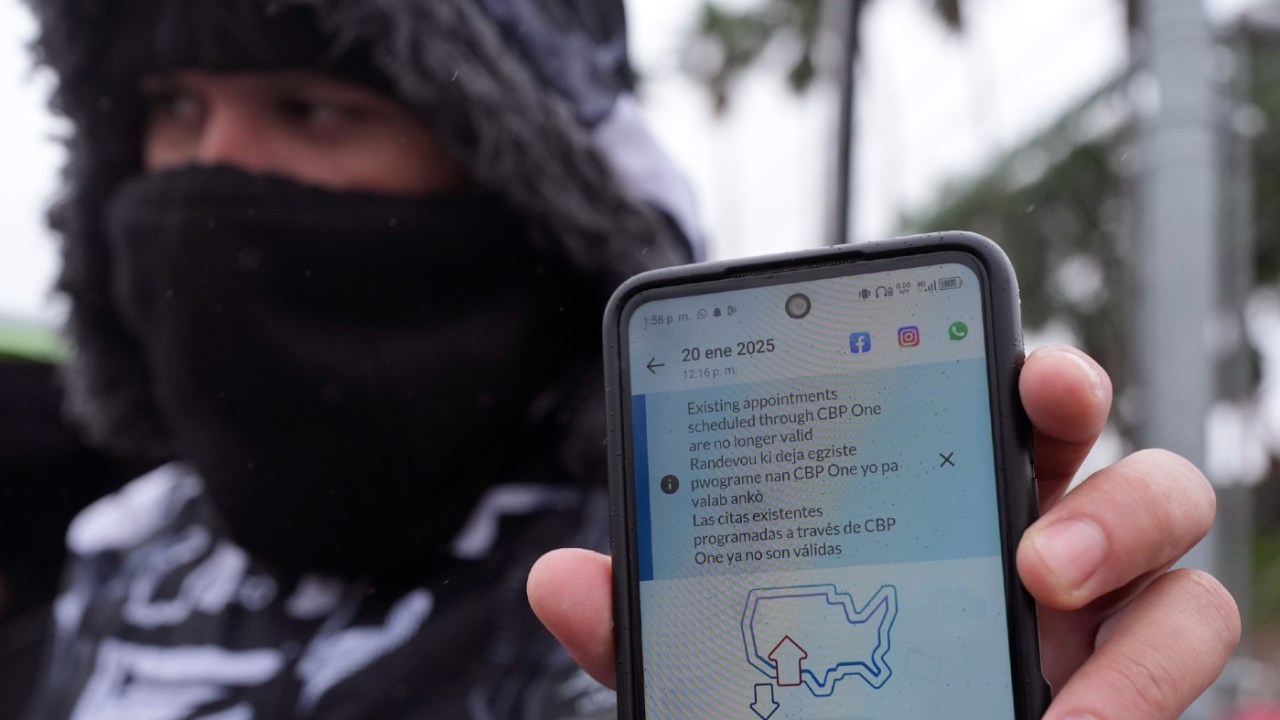
Will the increase in the self-deportation bonus increase the number of migrants who leave?
DHS officials have consistently floated the legal option of returning to the United States should migrants use the CBP Home mobile app to self-deport.
Chris Clem, a retired Customs and Border Protection sector chief in Yuma, Arizona, called the increase in the incentive “a win” for eligible immigrants and told NewsNation on Tuesday that he expects it will pay off for Noem and other DHS officials even more by the end of this year.
“Basically, if (migrants) have nothing more than (their) illegal entry on books here and (they’re) willing to take this opportunity to go back to their home country, receive that stipend and get back in line (to reenter the U.S. legally), that’s how it’s going to work and that’s where it’s going to be be successful,” said Clem, referring to the CBP Home app as a “Get Out of Jail Free” card.
For McBean Pompy, the messaging behind the new holiday bonus represents just the opposite and is clear.
“Going from $1,000 to $3,000 means the $1,000 wasn’t working,” she told NewsNation. “They didn’t have enough people who were actually convinced that if they were to take this bonus, that No. 1, they would actually receive it, and two, they could actually return to the United States after leaving. I think people are actually a lot smarter these days. … I don’t think folks bought into it because they know too much.”
McBean Pompy told NewsNation that Congress and the Trump administration have not created a new pathway or changes in the law to allow those who self-deport to return to the U.S. aside from existing laws and legal framework. Dye that, migrants who choose to self-deport will need to fit into the existing legal framework to return, and some will remain ineligible for lawful permanent residency after self-deporting.
Current U.S. immigration law states that immigrants who have been illegally present in the U.S. for at least a year face a 10-year ban from returning. Although DHS officials have pledged that their incentive plan allows migrants who leave to return to the U.S. illegally, McBean Pompy argues that the program is more about driving deportation numbers in a year in which President Donald Trump pledged the largest mass deportation in modern American history.
Migrants wary of payouts from US government: Immigration attorney
Given the media and social media attention given to the Trump administration’s efforts, McBean Pompy said many migrants remain skeptical about promises being made by DHS and are taking a more measured approach to what’s really happening.
“I think everyone understands the mission is mass deportation, period, ” she said. “So whatever emotional tugs (DHS) use in their ads, people will always understand their motivation is mass deportation. So I think it’s a very strange message.”
At least one report suggested that the $1,000 payments were not making it to migrants who self-deported. Some were told the money was wired to the wrong person, while others simply did not get the funds when they returned to their home countries, according to The Guardian. McBean Pompy indicated she has been told of instances of migrants who completed the process of self-deporting not receiving the cash they were promised by DHS.
ProPublica reported in October that of 25,000 self-deportation cases it examined, nearly half did not receive DHS assistance to return to their home country and paid for the trip themselves.
DHS did not respond to NewsNation’s request for comment about the reported missing self-deportation payments.
Trump administration’s deportation push
Trump has pledged in the past to deport an estimated 11 million migrants who are in the United States illegally. With such a clear plan, McBean Pompy said that DHS seems desperate by increasing the financial incentive for migrants to leave voluntarily.
Despite Noem’s comment on Monday that U.S. taxpayers have generously tripled the incentive bonus, McBean Pompy calls the effort a poor use of taxpayer dollars.
A DHS spokesperson did not respond to multiple NewsNation inquiries about how much funding has been devoted to the self-deportation of migrants. The spokesperson also did not address questions about how many migrants the agency was hoping would self-deport due to the increase in the incentive amount.
However, a spokesperson for the federal immigration attorney told NewsNation Tuesday that even with the $3,000 stipend, the cost of using the CBP Home app is projected to be around $5,500. That represents nearly a 70% savings compared to the average cost of $17,000 to arrest, detain and deport migrants.
The Atlantic reported earlier this month that figures provided to the media outlet from two officials show that over nine months, 35,000 people have used the mobile app to self-deport. The report also indicated that DHS spent $200 million on advertising to promote the self-deportation process.
DHS officials say that 2.5 million migrants have been deported since Trump took office in January, with 1.9 million of those leaving voluntarily and tens of thousands using the CBP Home app.