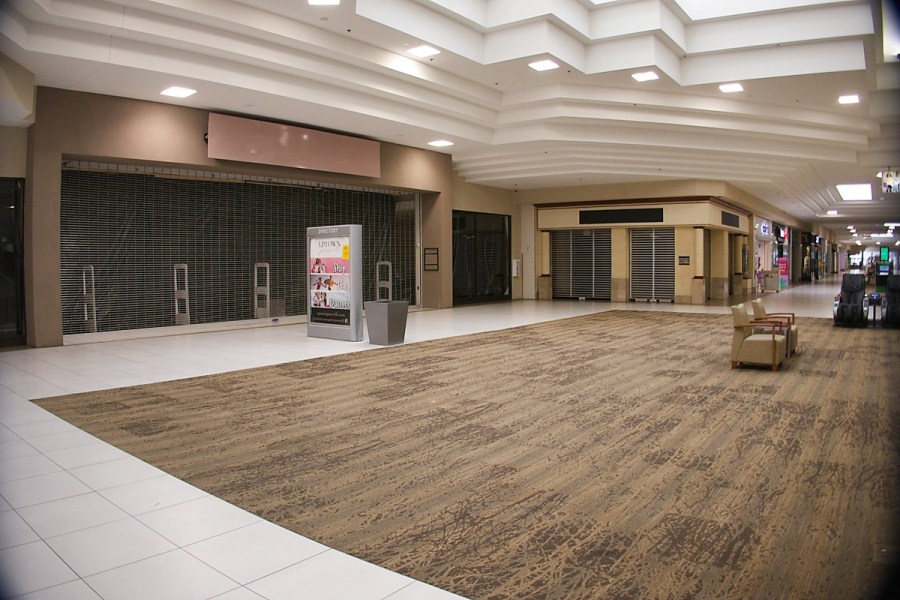
(NewsNation) — The indoor, vacancy-ridden shopping center immortalized in the 1978 horror flick “Dawn of the Dead” may soon be put out of its misery, but at least the site would avoid joining America’s ever-growing collection of “zombie malls.”
The Monroeville Mall near Pittsburgh has been purchased by Walmart, which proposes to raze the 186-acre property to make way for new retail and open public spaces. If the plan comes to fruition, the indoor mall, dating to the late-1960s, will be spared the sad afterlife of many U.S. retail complexes built before the Internet shopping era.
Mostly vacant or entirely shuttered shopping centers have become known as “dead malls” or “ghost malls.” These shells have generated online fandom for their stark and eerie atmospheres (see the website deadmalls.com or this Reddit page), but the staggering amount of empty square footage is hobbling many local governments that depend on tax revenue.
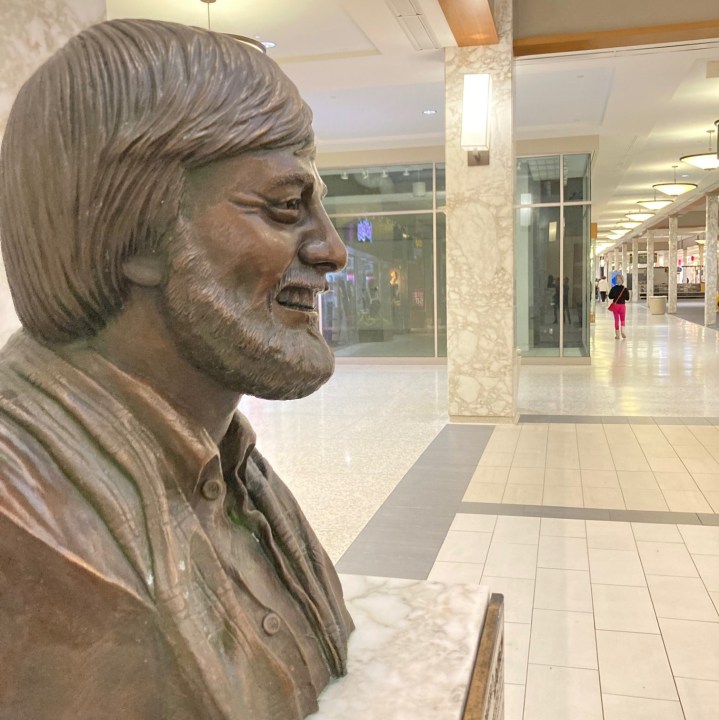
In the case of Monroeville Mall, locals are sad to see a business institution bite the dust, and “Dawn of the Dead” groupies have expressed heartbreak at the thought of losing a memorable cinematic backdrop. In George A. Romero’s film, survivors of a zombie apocalypse barricade themselves inside the mall, which attracts hordes of the undead. Movie critic Roger Ebert called it a “savagely merciless … satiric view of the American consumer society.”
“I understand that with time, there comes progress,” Frank Glendenning of Scranton, Pennsylvania, told Trib Total Media during a fan convention in October. “But I also don’t believe in tearing down your history and getting rid of some things that have been here for as long as most people have been alive around here.”
People just don’t seem as keen these days to stagger around malls, which were a postwar companion to suburban development. Statistics about the demise of the shopping centers are hard to pin down — and some observers may disagree on what constitutes a mall — but Capitol One Shopping Research recently offered some insight.
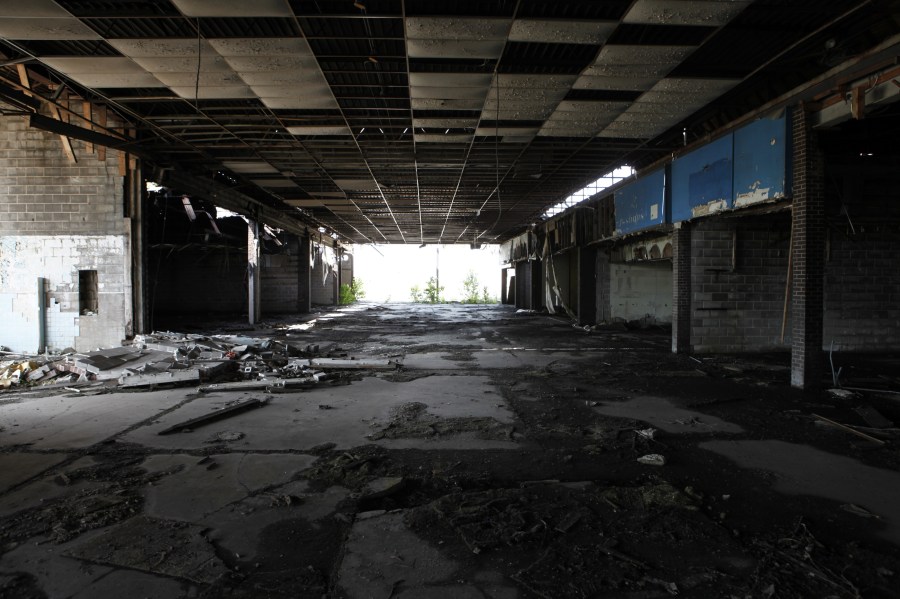
It said the number of U.S. shopping malls, large and small, was around 25,000 in 1986, which would be about the peak of the American mall. There were maybe only 700 large U.S. shopping malls left in 2022, with no indoor “megamalls” built since 2014, researchers said.
There is hope for some of the white elephant properties, even if they will no longer be anchored by a Sears or a Lord & Taylor. Amazon has become known for converting former shopping malls into fulfillment centers. In a similar vein, the city of Nashville has been trying to find someone to repurpose Global Mall at the Crossings, although a deal with Vanderbilt University Medical Center fell through.