LATEST UPDATE: A jury has found former President Donald Trump guilty of felony charges for falsifying business records in an effort to keep information from voters ahead of the 2016 election.
(NEXSTAR) – Twelve people have a big decision – or more like 34 big decisions – to make in a New York courtroom. The jury in the trial against former President Donald Trump is deliberating whether to convict or acquit him on 34 felony counts of falsifying business records.
The jury began deliberating mid-day Wednesday, and was dismissed for the day after about four hours. The deliberations were expected to pick back up behind closed doors Thursday morning.
The jury is required to come to a unanimous decision on each count. They can convict on some charges and acquit on others, but in each case they need to all agree.
But what happens if they don’t all agree?
If jurors send a note saying they can’t come to a unanimous decision, the judge, in consultation with both sides, must decide what to do next.
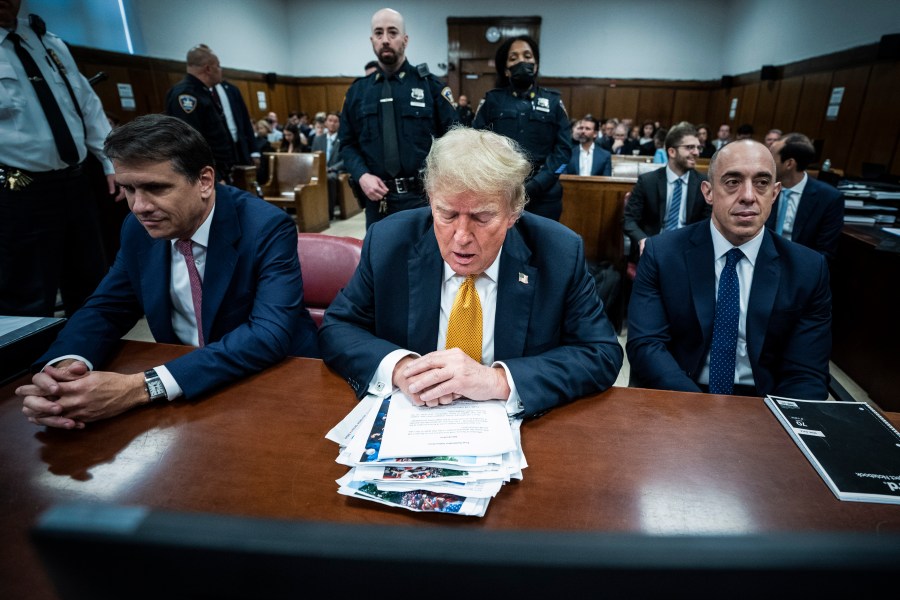
New York, NY – May 29 : Former President Donald Trump, flanked by attorneys Todd Blanche and Emil Bove, arrives for his criminal trial at the Manhattan Criminal Court in New York, NY on Wednesday, May 29, 2024. Trump was charged with 34 counts of falsifying business records last year, which prosecutors say was an effort to hide a potential sex scandal, both before and after the 2016 presidential election. Trump is the first former U.S. president to face trial on criminal charges. (Photo by Jabin Botsford/The Washington Post via Getty Images) 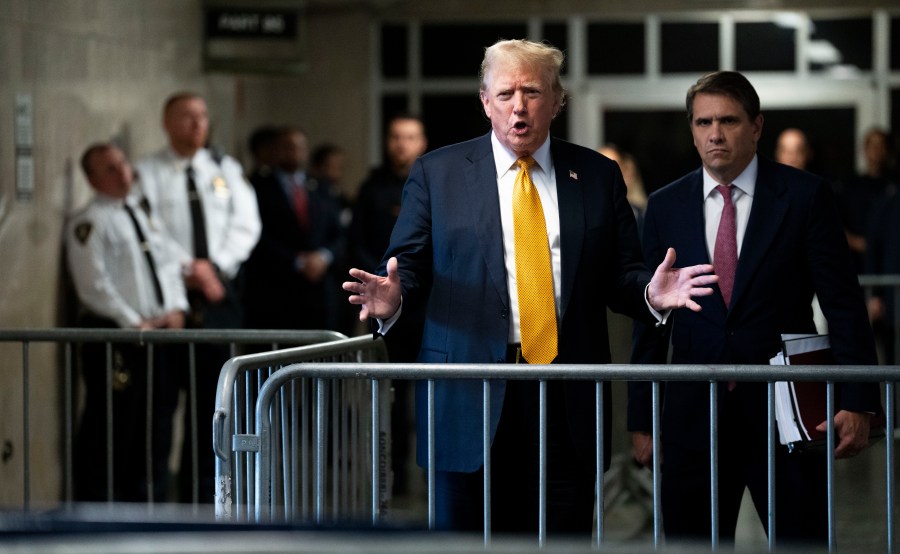
NEW YORK, NEW YORK – MAY 29: Former U.S. President Donald Trump speaks to the media during his hush money trial at Manhattan Criminal Court on May 29, 2024 in New York City. Judge Juan Merchan gave the jury their instructions, and deliberations began today. The former president faces 34 felony counts of falsifying business records in the first of his criminal cases to go to trial. (Photo by Doug Mills-Pool/Getty Images) 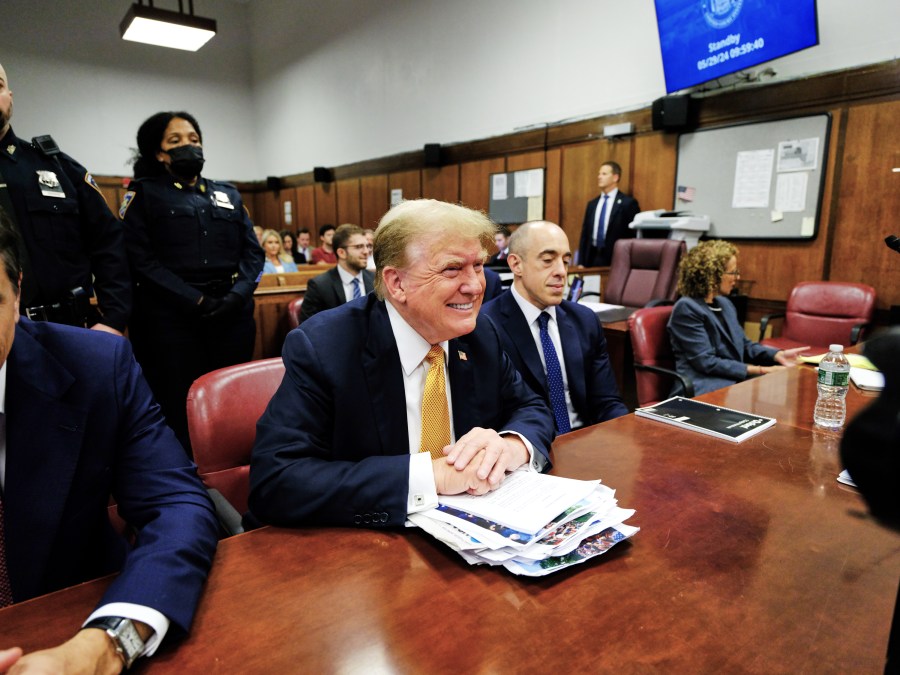
NEW YORK, NEW YORK – MAY 29: Former U.S. President Donald Trump attends his criminal trial at Manhattan Criminal Court on May 29, 2024 in New York City. Judge Juan Merchan will give the jury their instructions before they begin their deliberations today. The former president faces 34 felony counts of falsifying business records in the first of his criminal cases to go to trial. (Photo by Curtis Means – Pool/Getty Images) 
NEW YORK, NEW YORK – MAY 29: Former U.S. President Donald Trump speaks to the media as the jury ends its first day of deliberations in his hush money trial at Manhattan Criminal Court on May 29, 2024 in New York City. Judge Juan Merchan gave the jury their instructions, and deliberations began today. The former president faces 34 felony counts of falsifying business records in the first of his criminal cases to go to trial. (Photo by Curtis Means-Pool/Getty Images) 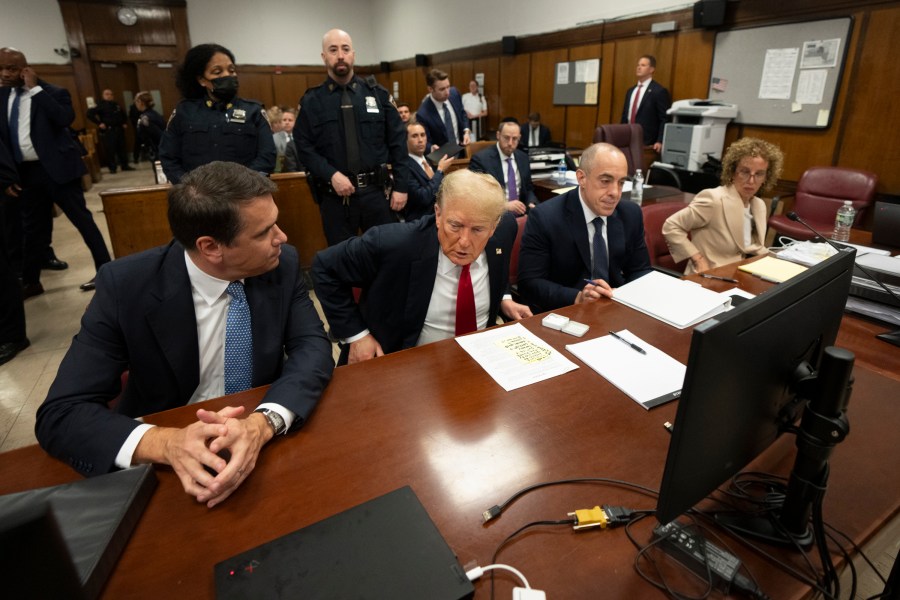
NEW YORK, NEW YORK – MAY 28: Former U.S. President Donald Trump speaks to the media as he arrives for his hush money trial at Manhattan Criminal Court on May 28, 2024 in New York City. Closing arguments are set to begin in former U.S. President Trump’s hush money trial. The former president faces 34 felony counts of falsifying business records in the first of his criminal cases to go to trial. (Photo by Steven Hirsch – Pool/Getty Images) 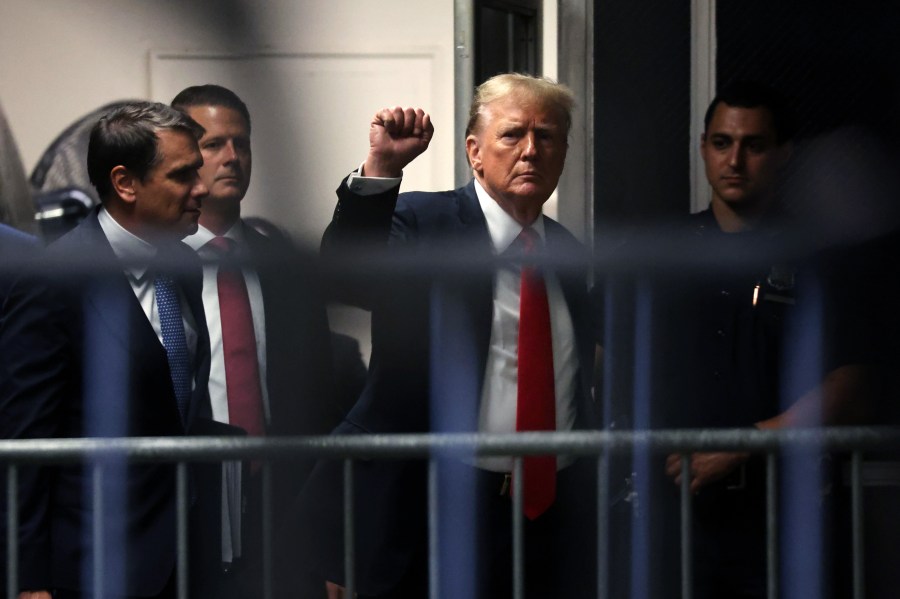
NEW YORK, NEW YORK – MAY 28: Former U.S. President Donald Trump returns after a break in his criminal trial for allegedly covering up hush money payments at Manhattan Criminal Court on May 28, 2024 in New York City. Trump arrived for closing arguments in his hush money trial ahead of the jury deciding whether to make him the first criminally convicted former president and current White House hopeful in history. (Photo by Spencer Platt/Getty Images) 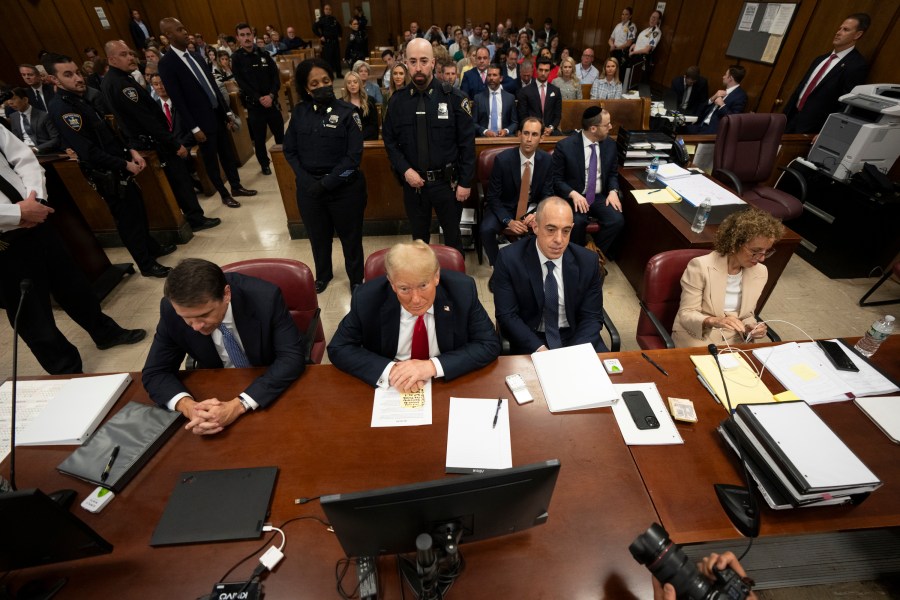
Todd Blanche, attorney for former US President Donald Trump, from left, former US President Donald Trump, Emil Bove, attorney for former US President Donald Trump, Susan Necheles, attorney for former US President Donald Trump, at Manhattan criminal court in New York, US, on Tuesday, May 28, 2024. Trump faces 34 felony counts of falsifying business records as part of an alleged scheme to silence claims of extramarital sexual encounters during his 2016 presidential campaign. Photographer: Steven Hirsch/New York Post/Bloomberg via Getty Images 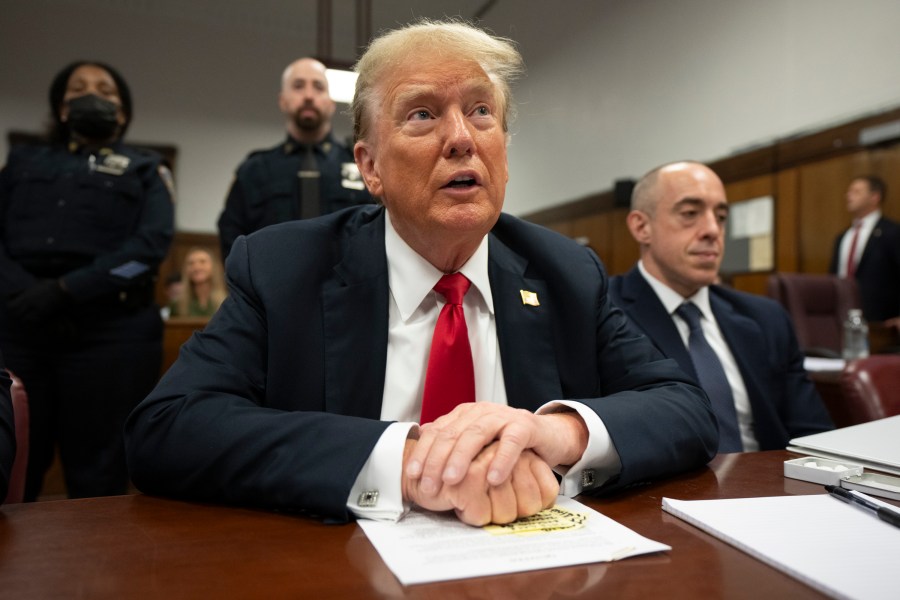
NEW YORK, NEW YORK – MAY 28: Former U.S. President Donald Trump appears for his hush money trial at Manhattan Criminal Court on May 28, 2024 in New York City. Closing arguments are set to begin in former U.S. President Trump’s hush money trial. The former president faces 34 felony counts of falsifying business records in the first of his criminal cases to go to trial. (Photo by Steven Hirsch – Pool/Getty Images)
Defense lawyers might seek an immediate mistrial. That could be granted, but often, the response is to call the jury in for some form of instruction to keep trying. This is sometimes called an Allen charge or a dynamite charge. The judge may urge them to take their time, carefully reexamine their own views, and try and find away to come to an agreement.
If deadlock notes continue, the message to keep trying may be repeated or tweaked. Arguments for a mistrial may also come up repeatedly. There’s no hard-and-fast rule about how long a jury must keep attempting to resolve differences before a mistrial can be declared.
If a jury can’t reach an agreement, it’s called a hung jury. In that case, the judge may be forced to declare a mistrial. It would then be up to the prosecutors how they’d like to proceed. They would have to decide on the spot if they’d like to start over, BBC reports.
Jurors can keep deliberating as long as they need to. The standard court day runs from 9:30 a.m. to 4:30 p.m., with a break for lunch (jurors’ meals will be delivered). But judges sometimes extend the hours if jurors wish. There’s no limit on how many days deliberations can continue.
The Associated Press contributed to this report.