(NewsNation) — After nearly 20 years of delays, REAL ID requirements for Americans flying within the United States took effect Wednesday.
Travelers without REAL ID-compliant identification can still fly, but they should anticipate longer wait times in airport security, according to the Transportation Security Administration.
The TSA has advised travelers without a REAL ID to arrive at the airport at least three hours ahead of their flight and to be prepared for advanced screenings.
Travelers without a REAL ID will likely be asked to complete a “certification of identity” form. If TSA agents are able to confirm all the details provided, they will be allowed to proceed through the security checkpoint as normal.
Homeland Security Secretary Kristi Noem spoke at a congressional hearing Tuesday, in which she said 81% of travelers in the U.S. already have identification that complies with REAL ID requirements. Airport security checkpoints will accept additional documentation, Noem said.
“People will be able to fly,” Noem said. “We will make sure it’s as seamless as possible.”
What other forms of ID can you use to fly domestically?
If you don’t have a REAL ID, or an enhanced driver’s license in some states, you will need one of the following:
- Passport
- Passport card
- DHS trusted traveler cards, like Global Entry
- Department of Defense ID
- Permanent resident card
- Border crossing card
- Acceptable photo ID issued by a federally recognized tribe/tribal nation
- HSPD-12 PIV card
- Foreign government-issued passport
- Canadian provincial driver’s license or Indian and Northern Affairs Canada card
- Transportation worker identification credential
- Citizenship and Immigration Services Employment Authorization Card (I-766)
- Merchant Mariner Credential
- Veteran Health Identification Card
The TSA does not require children to provide identification when traveling with someone else. However, their companion must have one of these forms of ID.
How do I get a REAL ID?
If you still need a REAL ID, you can get one after the deadline. Your state’s driver’s licensing agency website will list the necessary documents. Normally, you need documentation that shows your:
- Legal name
- Birth date
- Social Security number
- Proof of address
- Lawful status
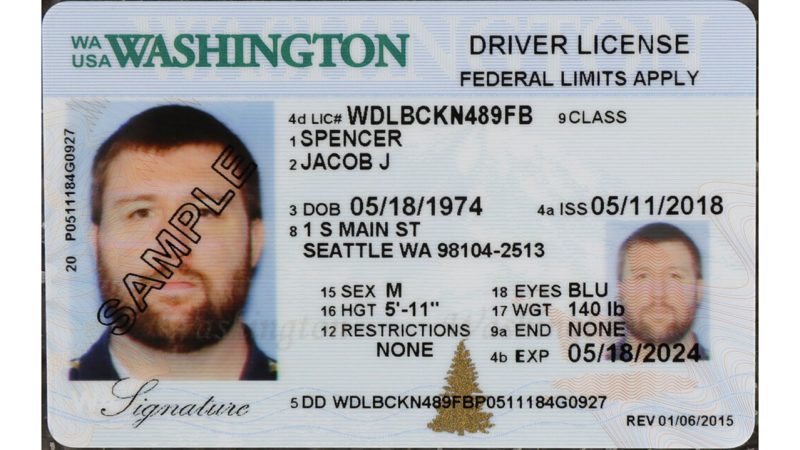
Some states may require additional documentation, so be sure to double-check before going to your local DMV office.
The REAL ID requirement is part of the REAL ID Act, which was passed by Congress in 2005 after recommendations from the 9/11 Commission. It is meant to create minimum security standards for driver’s licenses and ID cards. It was supposed to take effect in 2008 but has been repeatedly delayed.