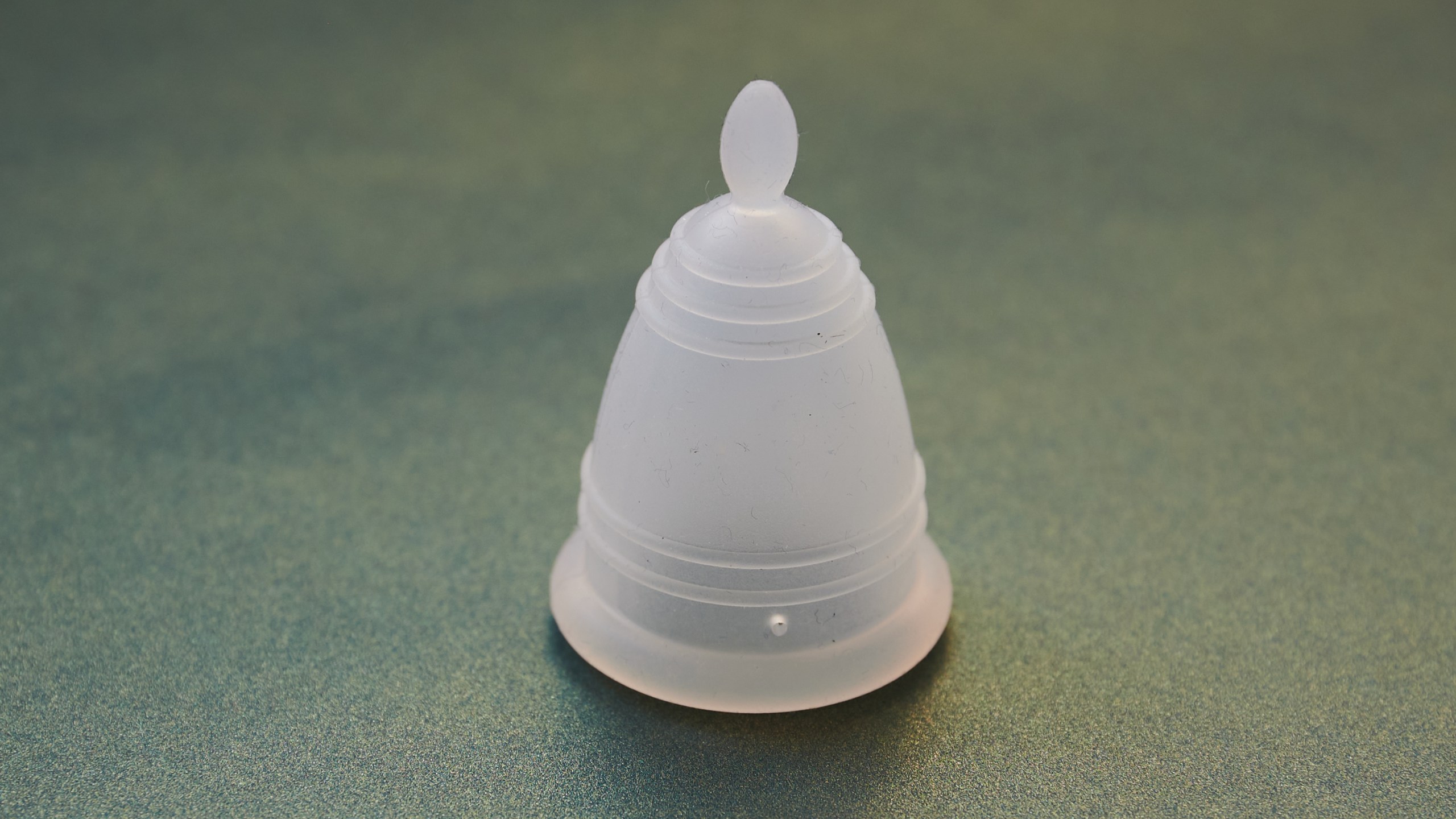
(NewsNation) — Freeze-dried food and zero-gravity accommodations may seem run-of-the-mill when in space, but managing one bodily function is lesser known: How do you handle a period?
Despite the gravity-defying conditions, menstruation appears unaffected by space travel, a 2016 paper on the subject found. That means astronauts can use tampons, sanitary pads, other devices or stop their flow altogether using birth control, if they prefer.
Famously, the first American woman in space, Sally Ride, was offered 100 tampons for a week-long space mission in 1983 — a testament to a scientific community still lacking knowledge about women’s bodies.
In the decades since Ride, many more women have traveled to space for extended stays, handling their period as they might on Earth.
“Since then, hormonal menstrual suppression has become the preferred method for managing menstruation in space, offering significant advantages,” wrote astrobiologist Lígia Coelho, lead researcher of AstroCup. “However, this is not an option for astronauts who choose to menstruate.”
Menstrual cups in space? Experiment tests period devices
Coelho and the AstroCup team are behind a 2022 experiment that saw two menstrual cups sent into orbit for just under 10 minutes in their bid to expand options for astronauts.
Results published in 2025 showed that stressors like vibrations, gravitational changes and other forces that occur during launch did not damage the structure or function of the Lunette-brand cups, which held glycerol and water.
Researchers propose menstrual cups as a potential solution for astronauts during longer-term missions to farther destinations like Mars. Those trips, they say, would require delaying a period for too long to be healthy, and would require a lot of single-use devices.
“Menstruation in space needs to be accessible and easy for everyone. This is a crucial issue for the autonomy and health of astronauts and will become more apparent as longer missions take place,” researchers wrote.
While researchers acknowledge the initial results are promising, more studies into the cups’ low-gravity performance, reaction to radiation exposure and feasibility of cleaning them in space are needed.