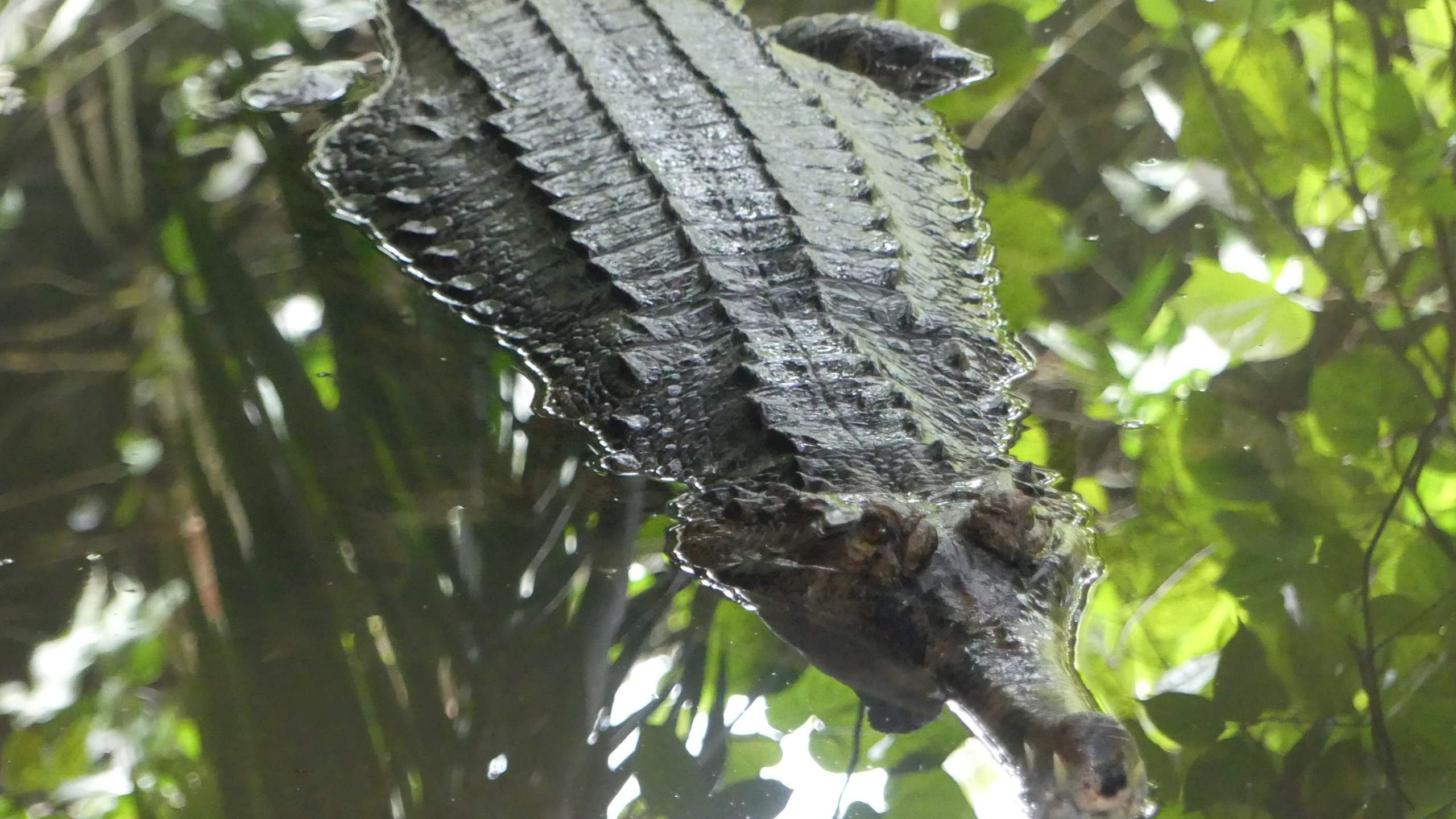
(NewsNation) — Risky human behavior is the main cause of alligator bites, according to scientists at the University of Florida and Centre College in Kentucky.
Researchers found that 96% of bites followed some form of “human attention or risk-taking” and that such incidents are largely preventable.
The findings stress the importance of caution, as alligator mating season — which runs from April through June — increases activity.
Researchers analyzed nearly 300 years of data from 1734 to 2021 from the CrocAttack.org database, categorizing bites by the level of human risk involved.
Most incidents occurred after moderate-risk behavior like swimming or wading in known alligator habitats, while fatal bites often followed high-risk behavior, such as deliberately entering alligator-inhabited waters. Low or non-risk behavior rarely led to bites, the study found.
Researchers found a high percentage of humans engaging in risky behavior, indicating that humans, rather than alligators, are typically to blame for the vast majority of alligator bites, said Mark Teshera, lead author and a biology professor at Centre College.
Alligators respond to “attractive stimuli,” like splashing or swimming in alligator habitats, not random aggression, researchers said. While some attacks occurred without warning, in many cases, people unknowingly triggered the alligator’s natural response to defend itself or to hunt.
“The takeaway lesson from this study is that many bites can be prevented if humans are aware of their surroundings and minimize risky behaviors such as walking small pets near bodies of water or swimming where alligators are known to be present,” said Frank Mazzotti, study author and professor of wildlife ecology at the University of Florida.
Researchers urged wildlife officials to promote safer behavior through targeted education, which they said could reduce bites and limit the need to kill alligators after attacks.