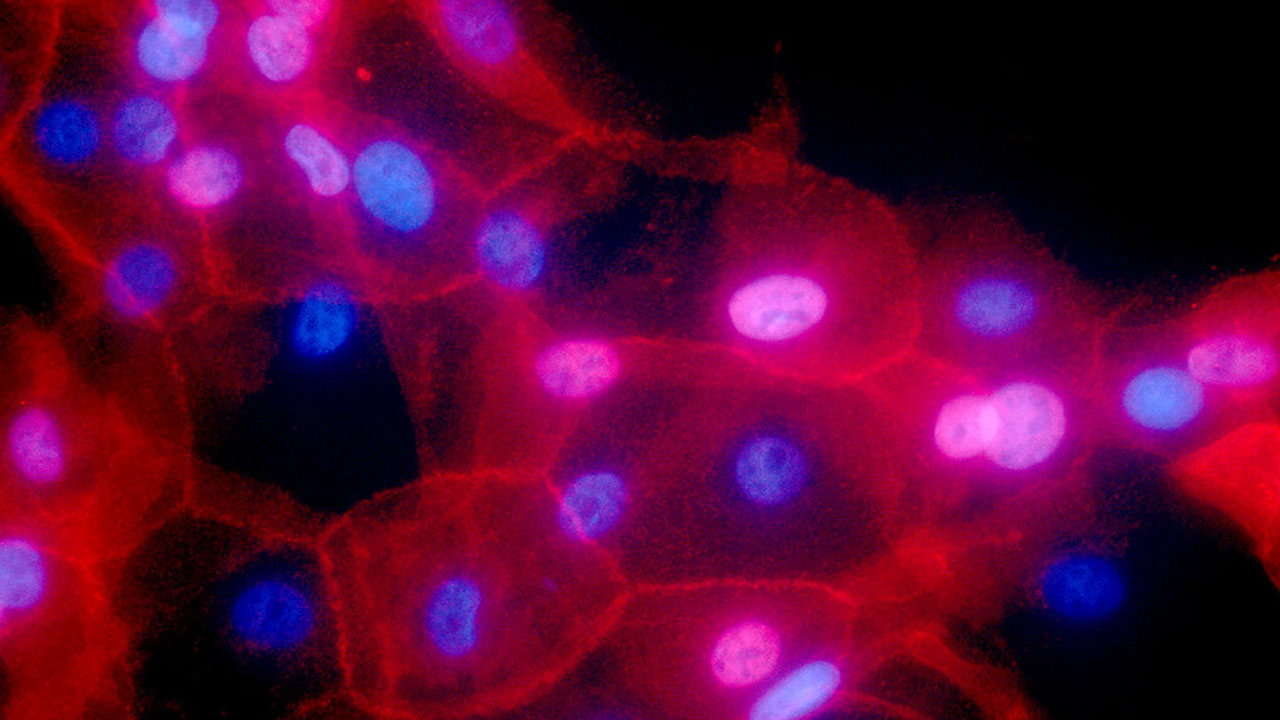
(NewsNation) — In a small clinical trial, scientists were able to use CRISPR gene editing to alter immune cells so they recognize mutated proteins, and could then go on to target and destroy tumors.
Scientists, according to a study published in Nature, combined two hot areas in cancer research: gene editing to create personalized treatments, as well as engineering immune cells called T cells to better target tumors. Their approach was tested on 16 people with solid tumors.
Previous CRISPR-based strategies for cancer involved removing genes in cancer cells that help them grow, according to TIME magazine, or that prevented the immune system from recognizing and attacking malignant cells. What this new approach does is introduce specific cancer-fighting immune cells that will ultimately help the patient avoid recurrences as well.
PACT Pharma helped develop and manufacture the therapy based on research from Dr. Antoni Ribas’ lab at the University of California Los Angeles, Time reported.
“Breast cancer, melanoma, colorectal cancer, non-small cell lung cancer, ovarian cancer… it is therapy for people with solid tumors,” Stefanie Mandl, PACT Pharma’s chief scientific officer, said.
Reaction from the world of oncology has been promising, but there are calls for more research into the technology, involving more patients and better efficacy.
“Everybody is now looking for complete responses the first time you treat a patient with a therapy, and I think that’s a really high bar to set,” Susan Foy, director of translational research at PACT, said.
Foy spent five years in the lab overseeing this work.
“We’ve been able to put everything together to create a truly personalized therapy that starts with the patient’s cells, and to find the cure, and then we go back to editing the patient cells to create the cure,” she told NewsNation,
Another trial is set for next year.