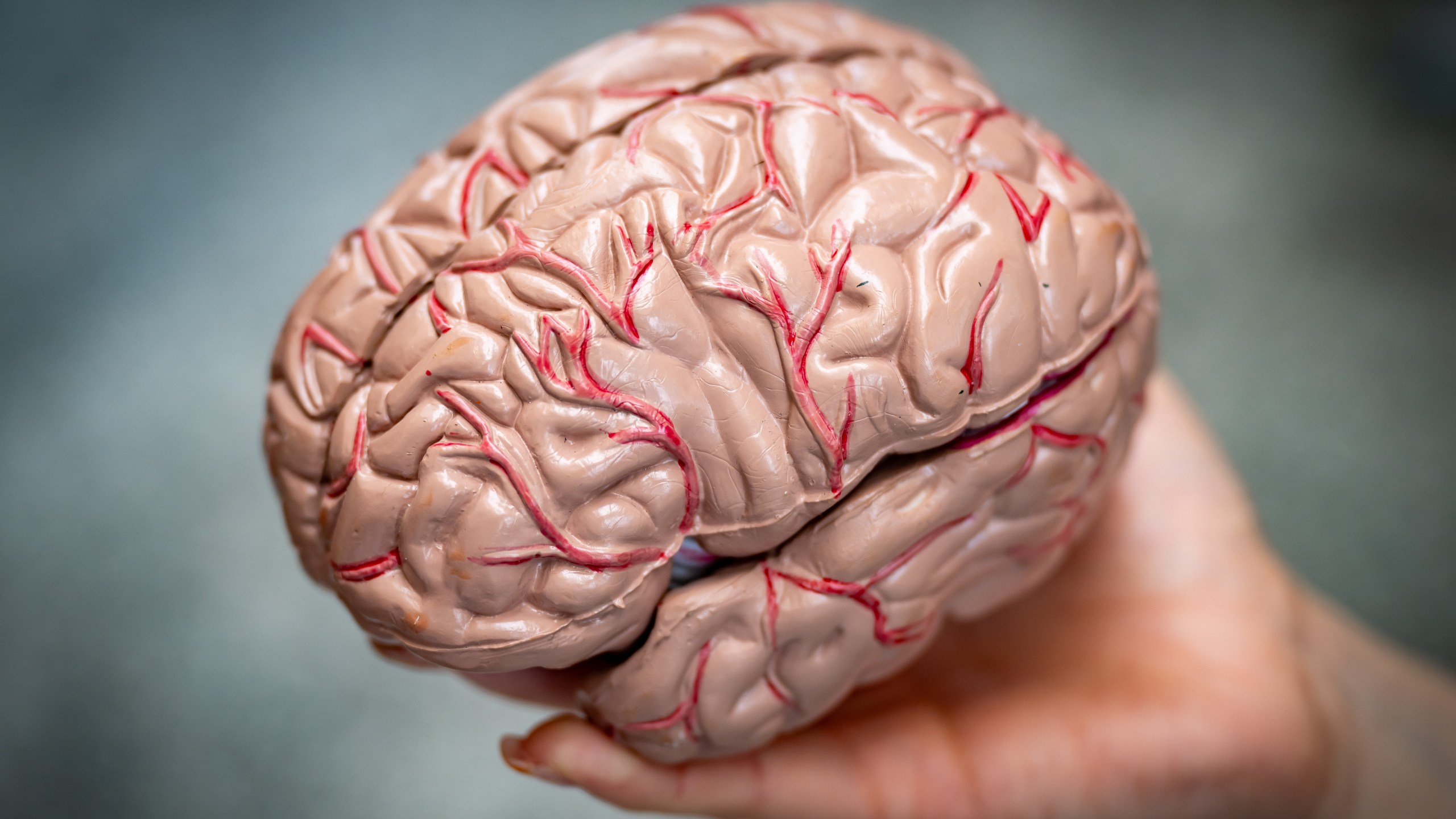
(NewsNation) — More than one in three people are living with a neurological condition, the World Health Organization found, and countries aren’t prepared to deal with it.
The WHO’s Global status report on neurology found 40% of the global population is affected by neurological conditions.
That amounts to more than three billion people and results in 11 million deaths globally each year.
The top neurological conditions that lead to death and disability in 2021 were stroke, neonatal encephalopathy, migraine, Alzheimer’s disease and dementia, diabetic neuropathy, meningitis, epilepsy, neurological complications from preterm birth, autism spectrum disorders and cancers affecting the nervous system.
Despite the number of neurological disorders, the WHO found that low-income countries have more than 80 times fewer neurologists compared to high-income nations.
“With more than 1 in 3 people in the world living with conditions affecting their brain, we must do all we can to improve the health care they need,” said Dr Jeremy Farrar, WHO assistant director-general. “Many of these neurological conditions can be prevented or effectively treated, yet services remain out of reach for most – especially in rural and underserved areas — where people too often face stigma, social exclusion and financial hardship.”
Only 63 member countries have a national policy addressing neurological disorders, and just 34 reported dedicated funding for addressing neurological conditions.
The report found that essential services are out of reach for the majority of people, with just 49 countries including neurological disorders in their universal health coverage.
The WHO also found services like stroke units, pediatric neurology, neurological rehab and palliative care were lacking or largely unavailable in urban areas and a lack of qualified health professionals.
The report also found a shortage of carer services, which are often a lifelong need with neurological conditions. Without those services, the burden of caring for neurological patients falls on informal carers, who are predominantly women and are left with little support.
The organization issued recommendations, including expanding access to neurological care, creating policy around neurological disorders and promoting brain health.