(NewsNation) — As the number of known cases of Legionnaires’ disease continues to climb in New York City, health officials are urging caution.
City health officials have linked an outbreak in the city’s Harlem neighborhood to cooling towers, structures containing water and a fan that are used to cool buildings. They said 11 of these towers initially tested positive for a type of bacteria that causes Legionnaires’ disease but that the problem has since been remedied.
Health officials urged people in the area with flu-like symptoms to contact a health care provider as soon as possible, especially if they are 50 or older, smoke or have chronic lung conditions.
What is Legionnaires’ disease?
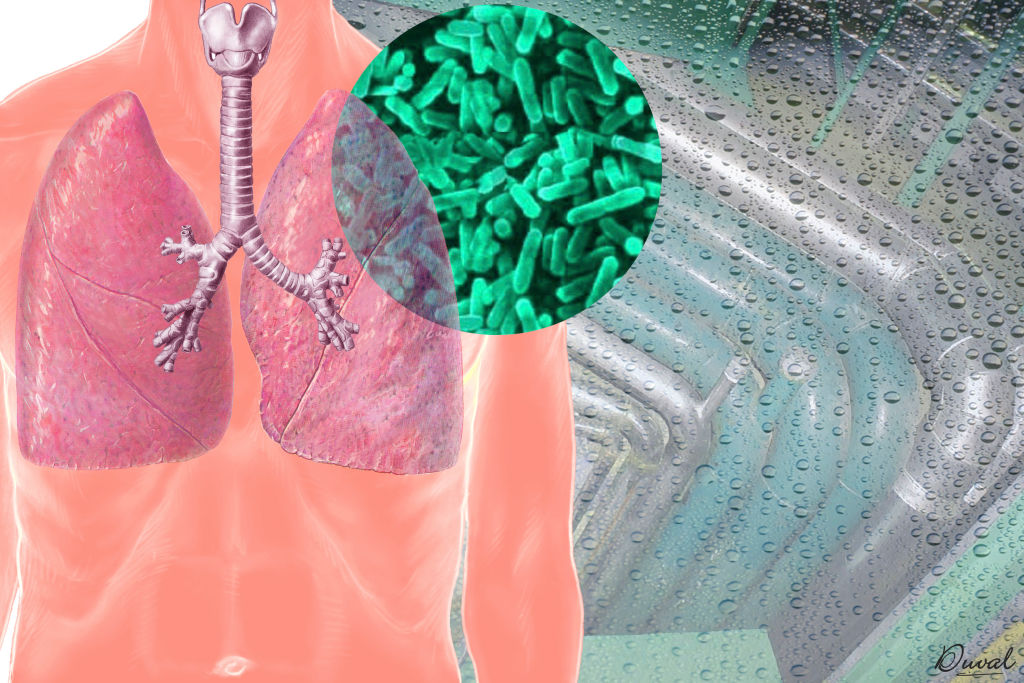
Legionnaires’ is a type of pneumonia caused by Legionella bacteria, which grows in warm water and can spread in building water systems. It can be found in places like showerheads, hot tubs and cooling towers.
People often contract the disease by inhaling aerosols from contaminated water. Hospital patients can also contract it through contaminated water or ice, and babies can be exposed during water births, health officials said.
What are the symptoms of Legionnaires’ disease?
Symptoms usually develop two days to two weeks after exposure and include cough, fever, headaches, muscle aches and shortness of breath, according to the Centers for Disease Control and Prevention.
Can Legionnaires’ disease be spread from person to person?
Since the infection is spread by inhaling contaminated water vapor, it is generally not spread from person to person.
Who is at higher risk of contracting Legionnaires’ disease?
Individuals 50 or older, those who smoke or those with chronic lung conditions are among the most at risk of contracting Legionnaires’ disease.
What are the treatment options for Legionnaires’ disease?
It’s important to be diagnosed quickly and treated with the appropriate antibiotics, according to health officials.
If untreated, the disease usually worsens during the first week, according to the World Health Organization. Complications can include respiratory failure, shock, and kidney or multi-organ failure.
The Associated Press contributed to this report.