(NewsNation) — Iron is important to the body to produce hemoglobin, which is responsible for carrying oxygen through the bloodstream, and to maintain a healthy immune system.
The health of your muscles, cells, skin, hair and nails are also affected by iron levels. When iron levels are too low, your body is deficient and can result in negative side effects.
Symptoms of iron deficiency
The most common symptoms of iron deficiency, according to the American Society of Hemoglobin, are:
- Abnormal paleness or lack of skin color
- Irritability
- Fatigue
- Increased heart rate
- Pounding in the ears
- Sore or swollen tongue
- Enlarged spleen
- A desire to eat peculiar substances such as dirt or ice (a condition called pica)
- Brittle nails or hair loss
- Poor sleep
- Lightheadedness or dizziness
- Cold intolerance
However, the symptoms could overlap with other conditions, so check with your doctor first to narrow causes.
Who is at risk of iron deficiency?
Women, including pregnant women, and people whose diet is low in iron are most at risk of being deficient and developing anemia, a condition of not having enough red blood cells or hemoglobin.
People who have had major surgery or physical trauma, those with gastrointestinal diseases, people on anti-acid therapies and individuals who have undergone bariatric procedures are also at risk, as are vegetarians and vegans.
What are some iron-rich foods?
Iron-rich foods, according to the American Red Cross, include (not limited to):
- Beef, lamb, turkey, ham, chicken, veal
- Shrimp, clams, scallops, oysters, tuna
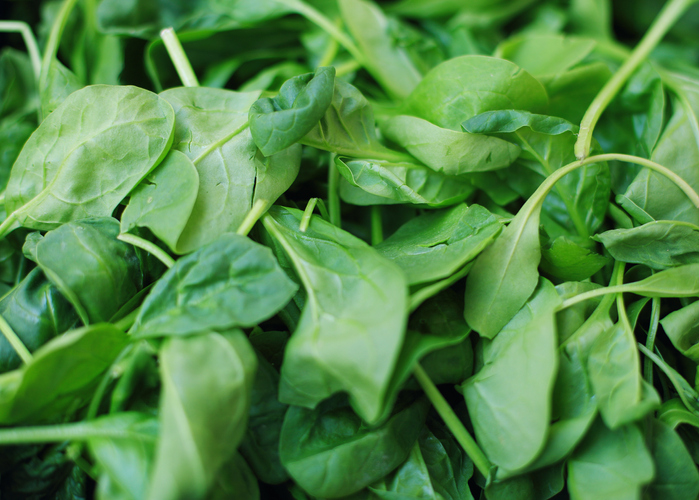
- Spinach, sweet potatoes, peas, broccoli, beet greens
- White and whole wheat bread, oat cereal, rye bread, enriched rice
- Strawberries, raisins, watermelon, dates, figs, dried peaches
- Tofu, beans, tomato products, dried beans, lentils