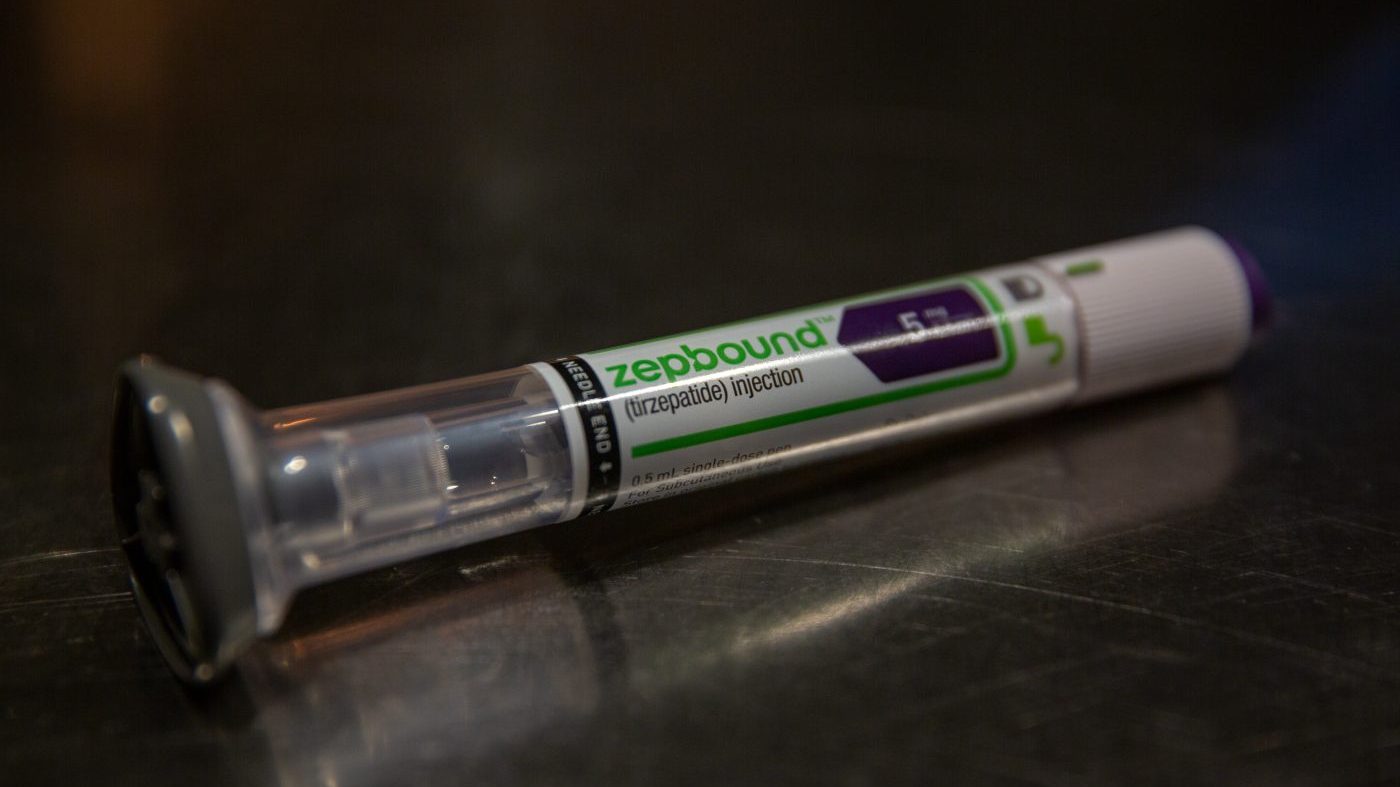
(NewsNation) — A new study has pitted Wegovy and Zepbound head-to-head in their ability to treat obesity.
Published in The New England Journal of Medicine on May 11, the study attempted to analyze the comparative efficacy of semaglutide (Wegovy) and tirzepatide (Zepbound) to see which drug showed better weight-loss results.
People taking Eli Lilly’s obesity drug, Zepbound, lost nearly 50% more weight than those using rival Novo Nordisk’s Wegovy.
Clinical trial participants who took Zepbound lost an average of 50 pounds over 72 weeks, while those who took Wegovy lost about 33 pounds.
Both drugs are part of a new class of medications that work by mimicking hormones in the gut and brain that regulate appetite and feelings of fullness.
But tirzepatide targets two such hormones, known as GLP-1 and GIP, while semaglutide targets GLP-1 alone.
The study, which was funded by Lilly, included 751 people from across the U.S. who were overweight or had obesity and at least one other weight-related health problem, but not diabetes.
Participants received weekly injections of the highest tolerated doses of Zepbound, either 10 milligrams or 15 milligrams, or Wegovy, 1.7 milligrams or 2.4 milligrams.
By the end of the trial, those who took Zepbound lost about 20% of their body weight on average, compared with a nearly 14% loss for those who took Wegovy.
The tirzepatide group trimmed about 7 inches (17.8 centimeters) from their waist circumference, compared to about 5 inches (12.7 centimeters) with semaglutide. In addition, nearly 32% of people taking Zepbound lost at least a quarter of their body weight, compared to about 16% of those taking Wegovy, the study found.
Weight loss was about 6% lower in men than in women in both groups, the authors noted. As participants in both groups lost more weight, they saw improvements in health markers such as blood pressure, blood fat and blood sugar levels.
More than three-quarters of patients taking both drugs reported at least one side effect, mostly mild to moderate gastrointestinal issues such as nausea, constipation, diarrhea and vomiting. About 6% of participants taking Zepbound left the trial because of adverse events, compared with 8% of those taking semaglutide.
The Associated Press contributed to this report.