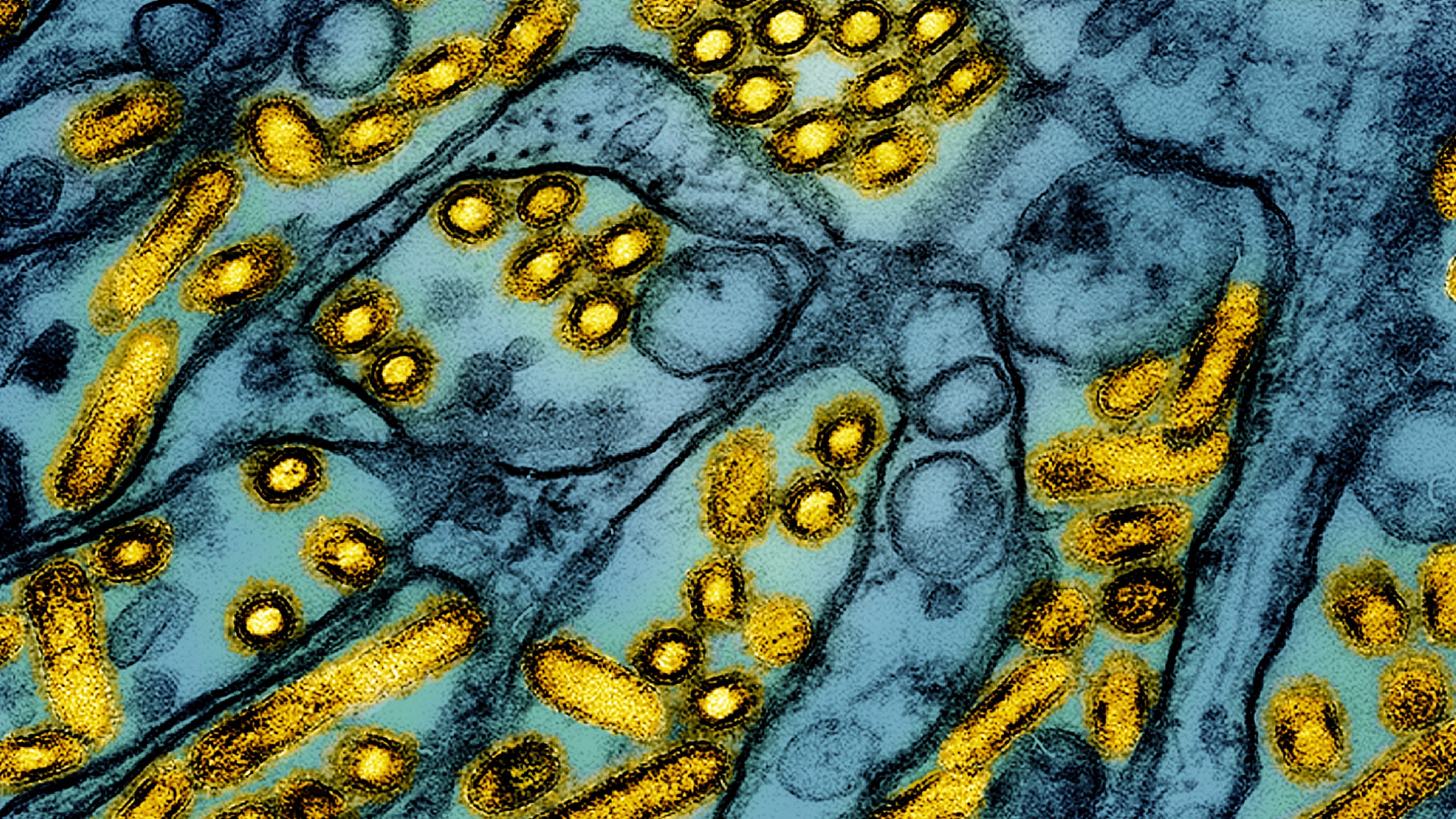
(NewsNation) — A person in Washington state has been diagnosed with a strain of bird flu not previously seen in humans.
The case is the first human bird flu case in the U.S. since February.
The person, whose name, age, and gender were not released, is described as an older adult with underlying conditions.
They were hospitalized after developing a high fever, respiratory distress and confusion and are continuing to receive treatment.
Officials believe the person was infected with the H5N5 strain of bird flu, which has not been previously seen in humans. Earlier bird flu infections this year were caused by the H5N1 strain.
The distinction between H5N5 and H5N1 lies in a protein involved in releasing the virus from an infected cell and promoting spread to surrounding cells.
“Think along the lines of different brands of car tires. They both do the same job, it’s just each is better tuned for specific conditions, which we don’t fully understand,” Richard Webby, a prominent flu researcher at St. Jude Children’s Research Hospital in Memphis, Tennessee, wrote in an email.
Authorities say at this time, there is no reason to be concerned that the H5N5 virus poses a greater risk to humans.
So far, human-to-human transmission of bird flu has not been documented. Public health officials are still investigating this case, but believe the person was exposed through backyard poultry that may have contracted the virus from wild birds.
The Centers for Disease Control and Prevention is awaiting samples to do further testing on the virus. The agency says the risk to the public remains low.
The Associated Press contributed to this report.