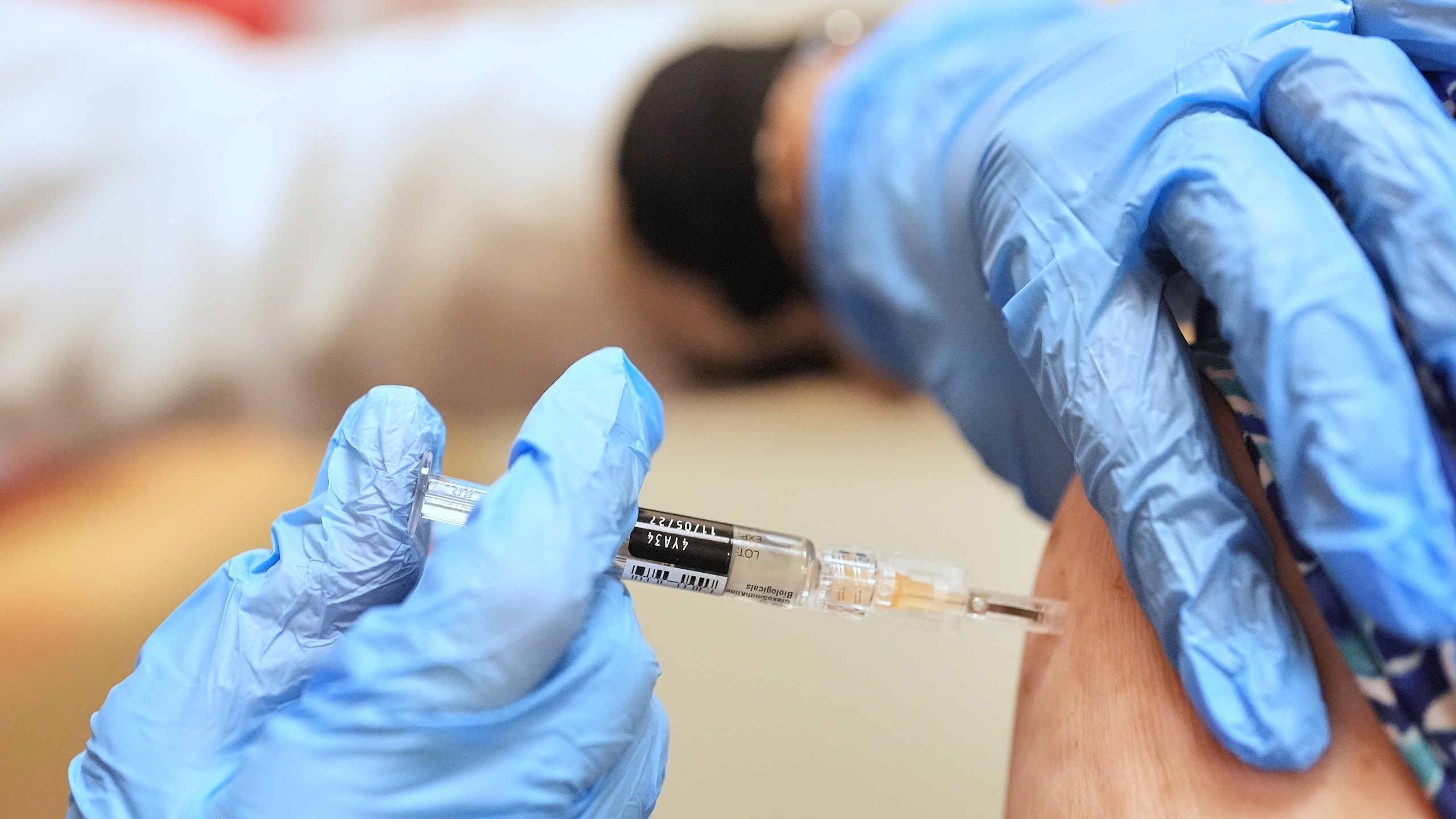
(NewsNation) — The Department of Health and Human Services plans to overhaul the U.S. childhood immunization schedule. The Trump administration has said its goal is to align more with “peer, developed” countries like Denmark.
These are the most common childhood vaccines in the United States and how they compare to those in Denmark.
Hepatitis B
The hepatitis B vaccine, administered in three doses, is recommended for all babies up to 15 months of age in the U.S. In Denmark, it’s recommended for those born to an infected mother and is given at birth, followed by three doses.
The U.S. Centers for Disease Control and Prevention recently stopped recommending vaccinating all newborns against hepatitis B within 24 hours after birth, a highly controversial change proposed by Health Secretary Robert F. Kennedy Jr.’s hand-picked advisory committee.
RSV (Respiratory syncytial virus)
Currently, Denmark does not recommend vaccinating children against respiratory syncytial virus, or RSV, whereas the U.S. does. RSV is the leading cause of infant hospitalization, according to the Centers for Disease Control and Prevention.
Influenza
The U.S. recommends children as young as 6 months old get an annual flu shot. Denmark, however, does not.
DTaP (diphtheria, tetanus, pertussis)
The U.S. combines vaccines for these three diseases and recommends the DTaP vaccine for all children. Denmark also recommends vaccines for diphtheria, tetanus and pertussis, or whooping cough.
Pneumoccocal
Both the U.S. and Denmark recommend childhood vaccination against pneumococcal disease.
Poliovirus
Both countries also recommend childhood vaccination against polio.
Measles, mumps, rubella
Both countries recommend childhood vaccination against measles, mumps and rubella.
Other vaccines
The U.S. recommends children be vaccinated against hepatitis A, chickenpox and rotavirus, whereas Denmark does not.
Both countries recommend the Haemophilus influenzae type B (Hib) vaccine to prevent a serious bacterial illness that can lead to meningitis, pneumonia and other infections.