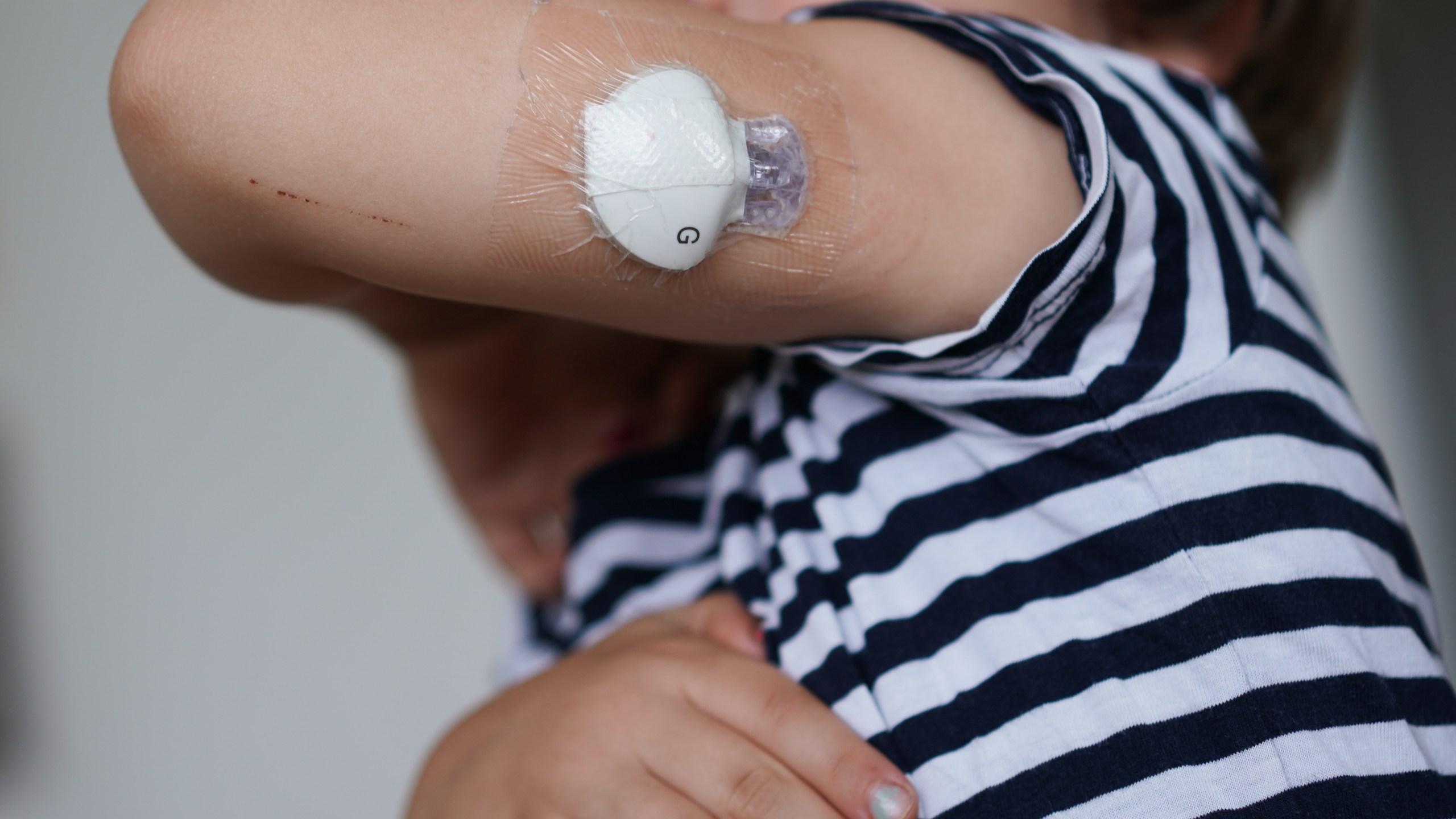
(NewsNation) — Type 1 diabetes develops more severely and aggressively in younger children, a new study finds.
Scientists from the University of Exeter revealed young children with type 1 diabetes nearly have all of their insulin-producing cells destroyed before they can mature. Research showed the pancreas was still developing in childhood, particularly under the age of seven, making it far more vulnerable to damage.
“These tiny insulin-producing beta cell clusters — once overlooked — hold big clues to understanding type 1 diabetes,” said Dr Sarah Richardson.
“This new perspective has the potential to reshape how we screen, treat, and even prevent type 1 diabetes. Protecting small beta cell clusters early could be key to stopping type 1 diabetes before it starts.”
The findings, which were part of the “Type 1 Diabetes Grand Challenge,” also revealed scientists analyzed rare pancreas samples of more than 250 people with and without type 1 diabetes.
“This study gives us a missing piece of the puzzle, explaining why type 1 diabetes progresses so much faster in children than in adults,” added Breakthrough T1D’s Rachel Connor.
For the future, researchers say recently developed drugs could buy patients time for the pancreas to mature, thus delaying the disease.