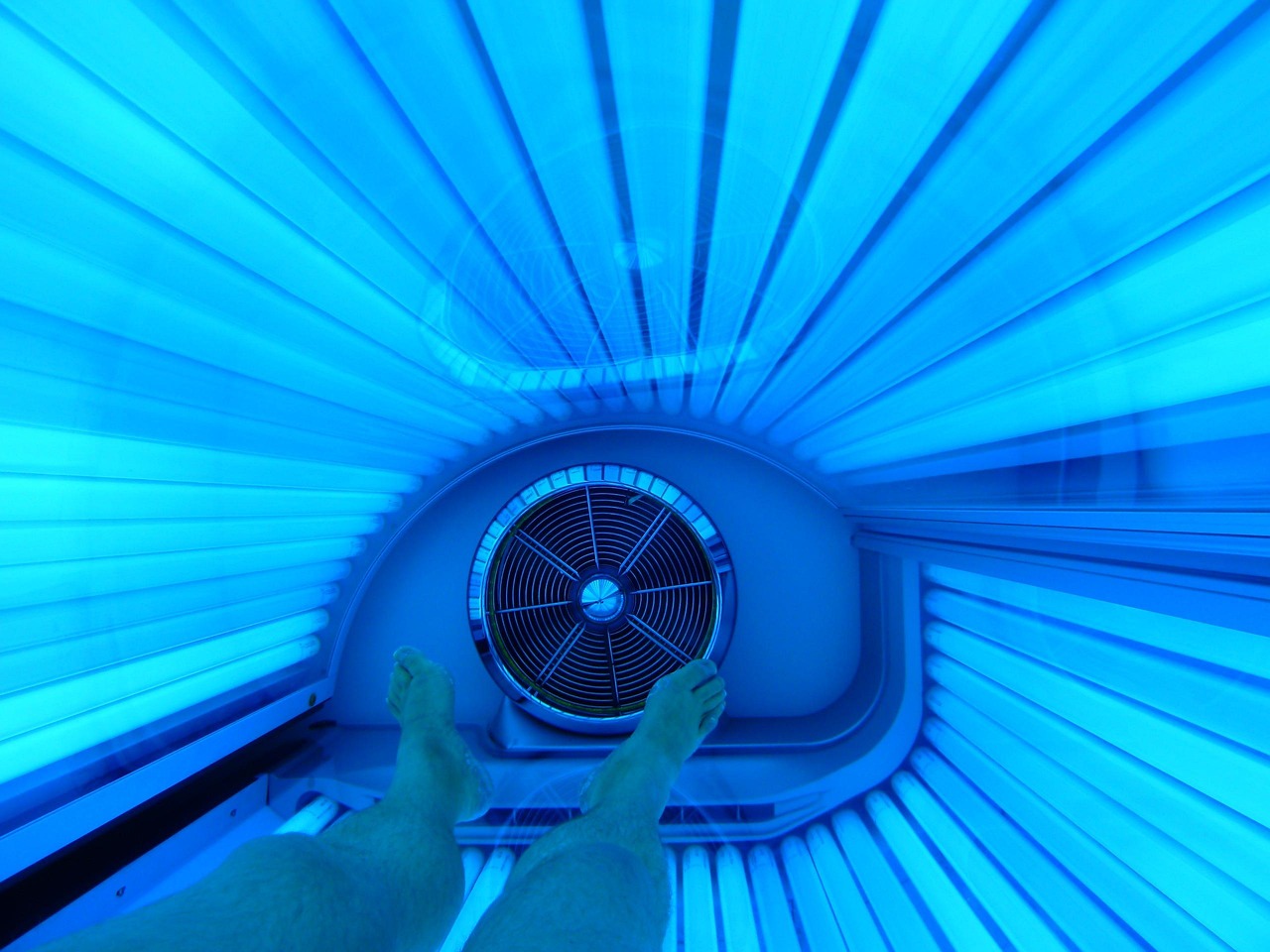
(NewsNation) — Tanning beds cause melanoma-linked DNA damage across nearly the entire surface of the skin, a new study found.
The precise biological process behind the increased risk of melanoma previously remained unclear, and the study found the use of indoor tanning beds led to a nearly threefold increase in melanoma risk.
The new study, published in Science Advances, from Northwestern Medicine and the University of California, San Francisco, challenges claims from the tanning industry that tanning beds aren’t any more harmful than sunlight.
Melanoma is the deadliest form of skin cancer, causing about 11,000 deaths each year in the U.S.
Researchers said they found DNA changes that are precursor mutations that predispose people to melanoma, even in areas of normal skin with no moles.
The study examined the medical records of roughly 3,000 tanning bed users and a control group of 3,000 age-matched people with no history of indoor tanning. They found 5.1% of tanning bed users developed melanoma, compared to 2.1% of those who didn’t indoor tan.
Adjusting for age, sex, sunburn history and family history, tanning bed use was associated with a 2.85-fold increase in melanoma risk.
The tanning bed users were also more likely to develop melanoma on parts of the body more often shielded from sun, such as the lower back and buttocks.
Scientists performed single-cell DNA sequencing on the pigment-producing cells where melanoma begins from three different groups.
The first skin-donor group included 11 patients with a long history of indoor tanning, and the second had nine patients who had not used tanning beds but were otherwise matched for age, sex and cancer risk. The researchers also examined samples from six cadavers.
Scientists found cells from tanning bed users had almost twice as many mutations as controls. They were also more likely to contain melanoma-linked mutations.
The mutations also appeared in areas of the body usually protected from the sun, showing that tanning beds create a broader area of DNA injury.
Author Dr. Pedram Gerami said the findings indicate a need for policy changes, including making it illegal for minors to use tanning beds and warnings similar to those on cigarettes.
Gerami also said anyone who has used tanning beds frequently should have a total-body skin exam by a dermatologist and an evaluation to determine whether they need routine skin checks.