(NewsNation) — The U.S. Department of Agriculture announced it would be suspending all cattle, horse and bison imports from Mexico after a flesh-eating parasite known as a screwworm was detected.
Agriculture Secretary Brooke Rollins says the outbreak is a national security issue, and it could devastate livestock if it crosses into the U.S. The screwworm was found in Veracruz and Oaxaca, which is just 700 miles from the U.S.
According to the USDA, New World screwworms are deadly flies that lay eggs in open wounds. Once the larva hatches, it attacks living flesh, proving to be extremely deadly for livestock but also for pets, wildlife and even humans in some rare cases.
Imports suspended from Mexico following screwworm outbreak
The U.S. has not had a widespread screwworm outbreak in decades, but stopping the imports now is key for the Trump administration, which made the call to suspend imports effective immediately. U.S. Customs and Border Protection is working alongside the USDA’s Animal and Plant Health Inspection Service to enforce the freeze.
The suspension will be reviewed on a month-to-month basis. Any animals already in holding will be screened and treated before they enter the country.
Mexico imports have been suspended in the past for screwworm outbreak
In November 2024, the screwworm was detected in Southern Mexico, and the U.S. halted all imports. Once a preclearance inspection agreement was reached earlier this year, the border was opened back up to imports.
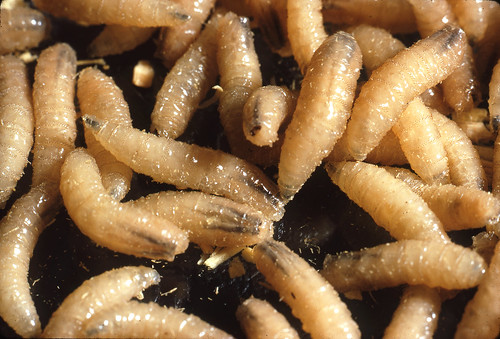
During that time, however, the screwworm traveled further north and headed to more rural and farming areas. U.S. officials say it’s a red flag because they now believe wildlife is helping carry the parasite.
The U.S. is now moving forward with what they call a three-prong strategy, which includes boosting surveillance and educating on early detection, limiting livestock movement to slow the spread and releasing sterile flies to break the breeding cycle.