(NewsNation) — The threat of rabies is becoming greater in the U.S., with public health officials warning people to stay safe and protect themselves and their pets from the deadly disease.
Nassau County in Long Island, New York, declared a public health threat due to the spread of rabies in wild animals, with 25 confirmed cases in the past year, including raccoons and feral cats.
Nearby Suffolk County also reported the first two cases of rabies since 2009. In April, a Michigan resident died from rabies contracted after a transplant, and in November of last year, a California woman died after being bitten by a bat.
How is rabies spread?
Rabies is spread through the bodily fluids of an infected animal or person. Bites and scratches are the main method of transmission.
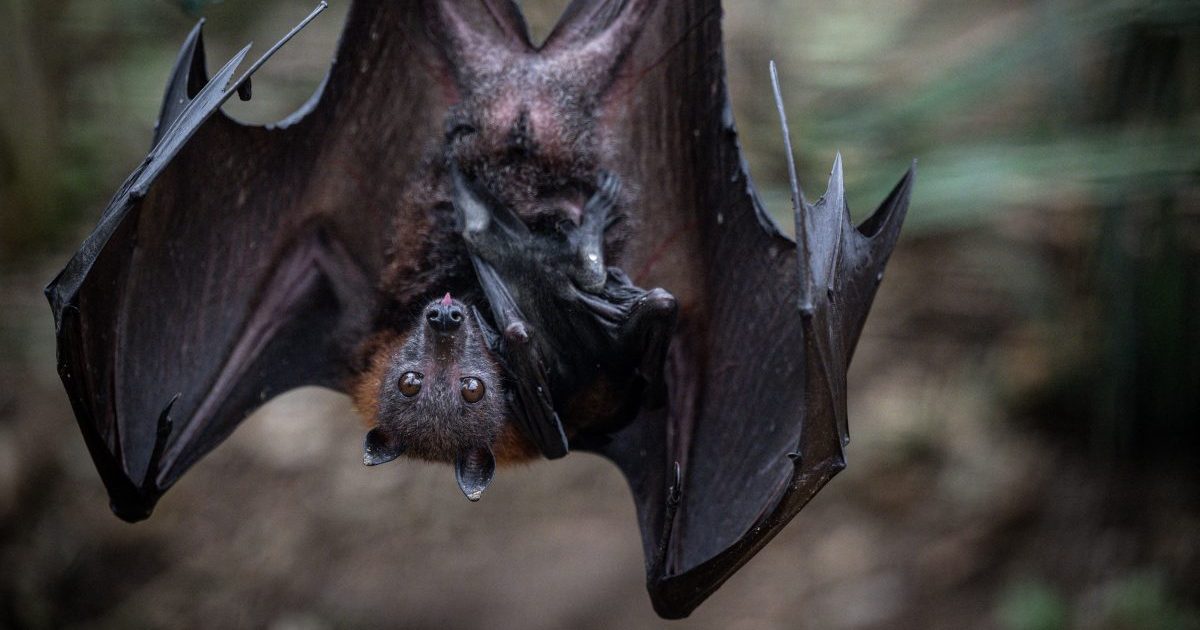
Wild animals are the main method of transmission, with raccoons and bats two of the most common animals to spread rabies. Bats are especially dangerous because their bite can be so small that people may not notice they have even been bitten.
If a bat gets into your house, it is important to contact public health officials even if you don’t think you were bitten.
Contrary to popular belief, opossums can contract rabies, but their low body temperature makes them much less likely to carry and spread the disease.
How dangerous is rabies?
Rabies is nearly 100% fatal once symptoms begin, with fewer than 10 people believed to have survived the disease worldwide.
The incubation period for rabies can range from weeks to months, so anyone who has come into contact with a wild animal should contact their public health department to determine the need for post-exposure vaccination that can prevent the virus from infecting them.
Rabies affects the central nervous system, and how fast it progresses depends on how close the exposure site is to the brain.
Initial symptoms can appear similar to the flu before progressing to symptoms including hallucinations, confusion, excessive thirst and a fear of water.
How can you prevent rabies?
To prevent rabies, make sure pets and livestock are vaccinated against the virus and avoid approaching unknown animals, especially wildlife.
Keep pets away from unknown animals as well. Depending on local laws, animals that are potentially exposed to rabies may need to be quarantined at home or at a secure facility.
Since it is not possible to test for rabies while an animal is alive, unvaccinated pets or livestock may have to be quarantined in a secure facility for months if exposed.
What to do if you suspect an animal is rabid
Animals with rabies may be aggressive or unusually friendly, can appear confused and may show signs of being partially paralyzed. Drooling, growling and avoiding water are also symptoms of the late stages of the disease.
If you see a wild animal showing possible signs of rabies, call your local animal control office and alert them. Do not attempt to capture the animal yourself.
If you are bitten or scratched by a possibly rabid animal, it is important to begin postexposure rabies vaccination as soon as possible.