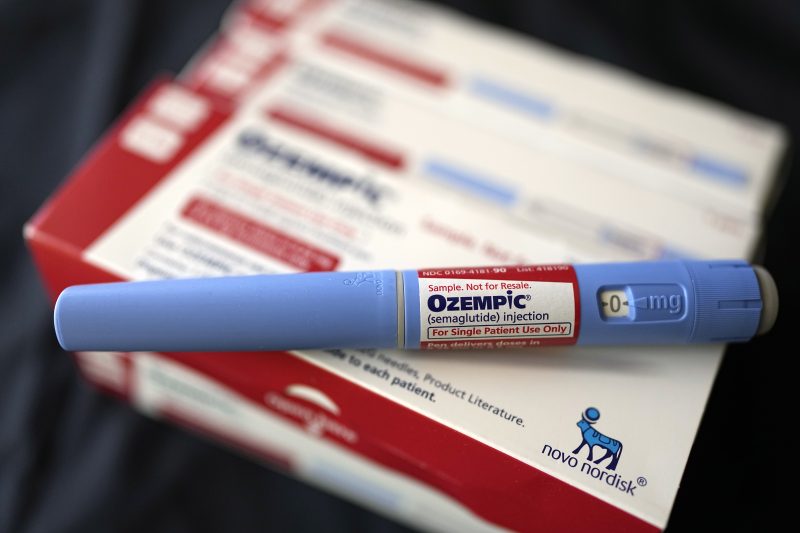
(NewsNation) — Ozempic continues to gain popularity as a GLP-1 weight loss medication people are turning to.
Just days ago, it was announced the popular prescription, along with Wegovy, is going to be available for purchase at Costco for $499 a month. The announcement comes as more Americans turned to copycat versions of GLP-1s due to high prices and shortages.
It’s another feather in Ozempic’s cap, beyond just promoting weight loss and decreasing hunger. Among several other pros to taking semaglutide is lowering the risk of dementia, cognitive and behavioral improvements and people losing their desire to drink to consume alcohol.
While all those positive things sound encouraging, people using Ozempic should become aware of some side effects they may experience.
Vomiting, Diarrhea, Constipation
Vomiting has been acknowledged as the most common side effect from taking Ozempic as someone’s body adjusts to the medication.
“Clinical trials have shown that 24% of people who use the 1mg dose of Ozempic experience nausea or feeling sick,” says ASDA Online Doctor. “These effects are usually experienced at the start of treatment or after a dose increase, and often go away on their own.”
Diarrhea is experienced by about 8% of patients taking Ozempic, according to RightPatient.com. For patients, it usually occurs alongside vomiting when treatment starts or dosage is increased by a doctor or health care provider. However, the symptom is mild or short-lived.
Some patients may also experience constipation as a reaction to Ozempic because the drug’s slow effect on their gastrointestinal motility.
“GLP-1 receptor agonists like Ozempic basically tell your stomach to slow down, which is great for blood sugar control and appetite, but leads to constipation,” states Dr. Michael Bass.
Dizziness, Hypoglycemia
When taking Ozempic, people can have mild dizziness, which can last a few days or weeks.
“These symptoms can also be signs that your blood sugar is too low,” according to WebMD.
Hypoglycemia is also considered a less common side effect, but still one people should keep an eye on. The increased risk of hypoglycemia results from Ozempic’s ability to lower a person’s blood sugar level.
“This is especially concerning in non-diabetic individuals who may not be accustomed to monitoring their blood sugar levels,” said Columbus Park, a New York City-based clinic that treats eating disorders.
Kidney problems, Pancreatitis, Gallbladder Disease
Ozempic can also produce kidney problems for patients. The National Library of Medicine revealed that acute kidney injury in patients taking the GLP-1 was reported.
“We report 2 patients with chronic kidney disease due to diabetic kidney disease who experienced rapid worsening of kidney function and increased proteinuria after being prescribed the GLP-1 receptor agonist semaglutide,” the NIH said.
Pancreatitis and gallbladder problems are also associated with Ozempic. Pancreatitis can be felt from fever, nausea, vomiting and severe abdominal pain. Meanwhile, increased risk for gallstones and gallbladder infection can be caused from the drug.
“This risk was related to the dose and the duration of treatment,” GoodRX says on the topic. “In other words, the risk was higher in people on higher doses for longer periods of time.”