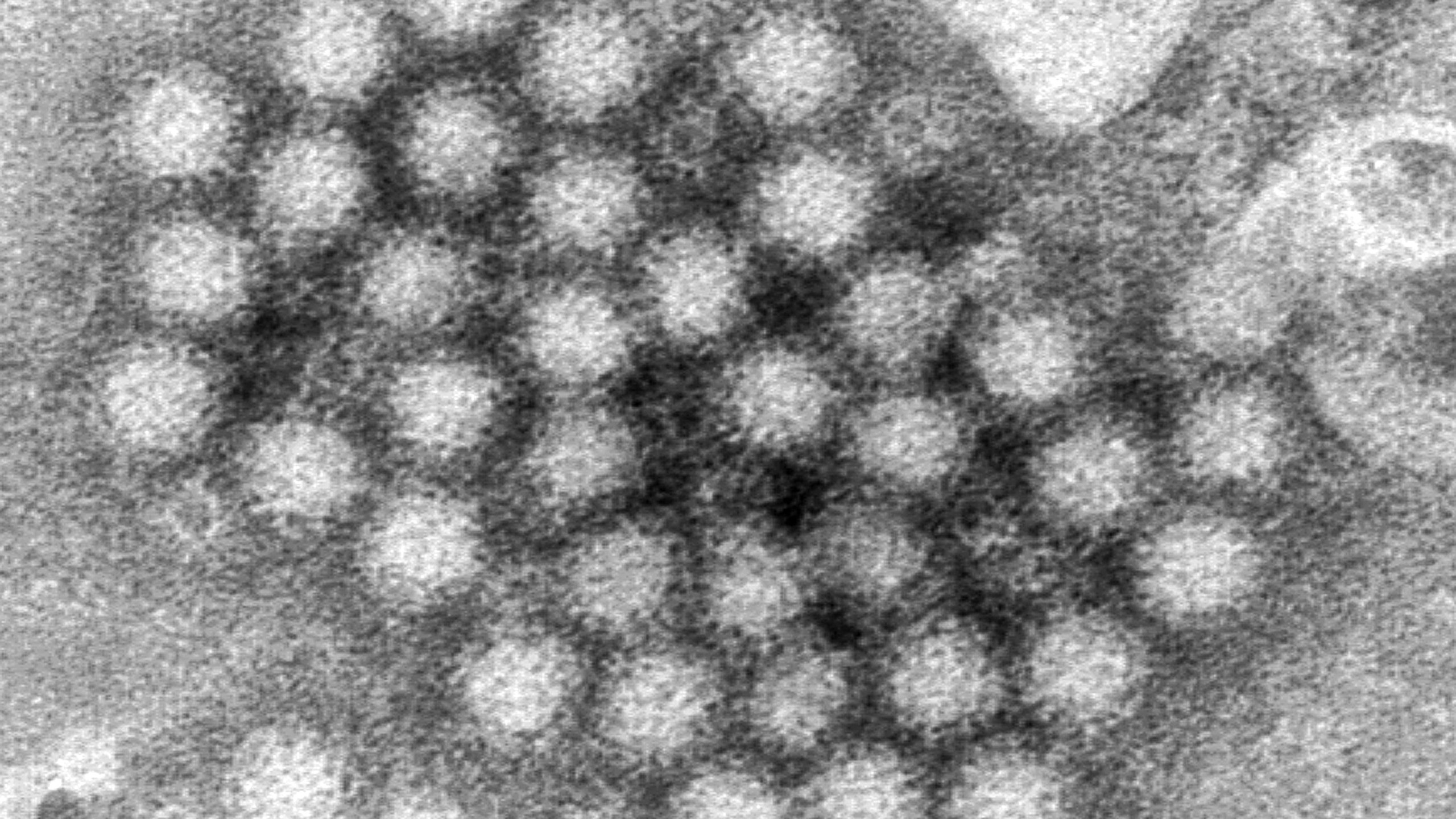
NEW YORK (PIX11) — A highly contagious virus that spread rapidly across New York City last winter may make a resurgence.
Sometimes referred to as the stomach flu or stomach bug, the norovirus illness causes vomiting and diarrhea. Recent wastewater testing has detected the virus around New York.
According to the WastewaterSCAN Dashboard, norovirus nucleic acids were found at the Ithaca Area Wastewater Treatment Facility and the City of Oswego Wastewater Treatment Plant.
Notably, the quantity of nucleic acids detected in Oswego spiked significantly from early November.
Despite the wastewater detection, there has not been a surge in cases so far this winter.
Here is some important information to know about the virus, including how to prevent the spread and best protect yourself.
What are the signs and symptoms?
Symptoms, including diarrhea, vomiting, nausea, stomach pain, fever, headache, and body aches, can develop 12 to 48 hours after exposure to the virus.
Vomiting and diarrhea may also lead to dehydration. People with the virus get better within one to three days but are still able to spread the virus for up to a couple of weeks afterward, according to the CDC.
How does the norovirus spread?
The virus can spread through direct contact with an infected person. This includes sharing food or eating utensils with them or consuming food they have handled.
Additionally, the virus can be transmitted if you touch contaminated objects or surfaces and then put your unwashed fingers in your mouth or eat food or drink beverages that are contaminated.
Prevention
- Wash your hands with soap and water for at least 20 seconds after changing diapers, touching common surfaces, shaking hands, and caring for people who are ill.
- Cook shellfish thoroughly and wash fruits and vegetables.
- Disinfect contaminated surfaces.
- Wash laundry in hot water.
- Stay home when sick for two days after symptoms stop.
Treatment
There is no specific medicine to treat norovirus. The CDC states that antibiotics are ineffective because they target bacteria, not viruses.
Those who contract the virus should drink plenty of liquids. In the case of severe dehydration, contact your doctor.