(NewsNation) — Nearly 25,000 people overdosing were given naloxone by “non-medical laypersons,” or people with little to no medical training, from June 2020 to June 2022.
That’s a massive jump — up 43% in that two-year period — in non-medical administration of the drug, a study published Monday in JAMA Open Network revealed. In that same timespan, EMS administration rates dropped 6.1%.
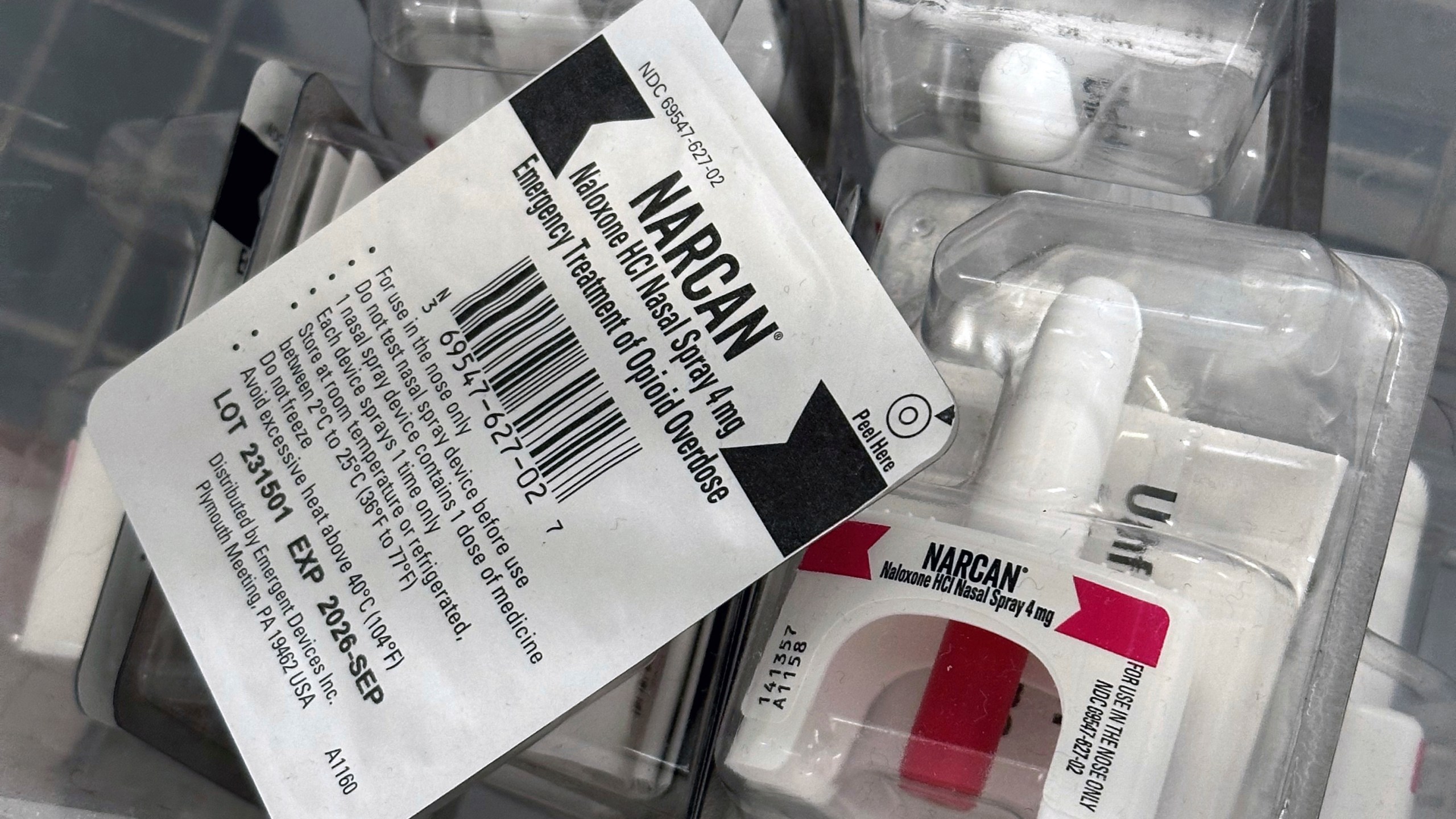
Naloxone, delivered by a device called Narcan, is a nasal spray that is used as an emergency treatment to reverse drug overdoses. The U.S. Food and Drug Administration approved over-the-counter sales of the drug in 2023, and it’s become more readily available since.
And it’s effective, with the Center for Disease Control and Prevention’s 2023 reporting showing the first drop annual overdose deaths since 2018.
“This period had a significant increase in [layperson naxolone] usage, underscoring its evolving role in public health strategies aimed at effectively addressing the opioid crisis,” the study reads in part.
Of the 744,078 naloxone recipients in the study, roughly 3.4% were treated by a bystander, which the researchers called a “lower-than-ideal utilization rate.”
The researchers emphasized the “urgent need for comprehensive strategies that not only increase naloxone availability but also address current barriers to its use, maximizing its potential to save lives amid an ongoing opioid epidemic.”
Opioid deaths were already at record levels before the coronavirus pandemic, but they skyrocketed when it hit in early 2020. The CDC estimated there were about 85,000 opioid-related deaths in the 12 months that ended in April 2023.
But since then, they’ve fallen. The estimate for the 12 months that ended in April 2024 was down to 75,000 — though that’s still higher than at any point before the pandemic.
The Associated Press contributed to this report.