(NewsNation) — Retired Navy Cmdr. Bill Phillips has turned his own harrowing battle against cancer into a power for resilience and support for others in need.
After serving in the Navy for 23 years, Phillips faced one of his life’s toughest battles — fighting cancer. His life-or-death struggle led him to establish the KFG PROJECT, or Keeping F—ing Going, a nonprofit organization dedicated to supporting cancer-affected military personnel, emergency responders, and adolescent and young adult patients and caregivers.
Phillips told NewsNation that overcoming adversity has inspired him to help others dealing with severe health issues to embrace hope and strength in the face of adversity.
While preparing to retire and enter civilian life, Phillips was faced with a devastating diagnosis of Stage 3 colorectal cancer.
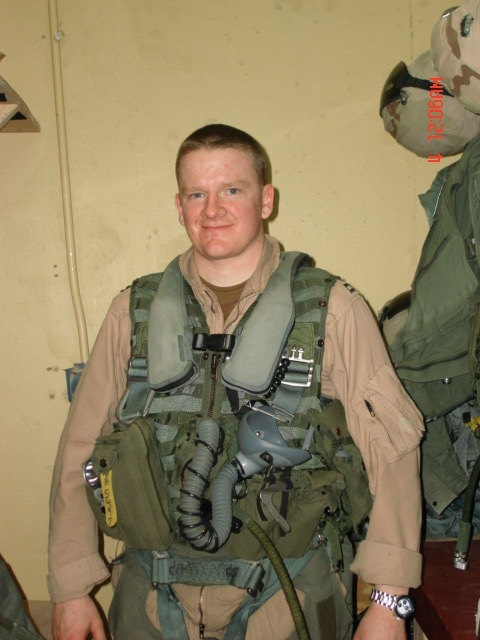
According to the CDC, “Sometimes abnormal growths, called polyps, form in the colon or rectum. Over time, some polyps may turn into cancer. Screening tests can find polyps so they can be removed before turning into cancer.”
The CDC recommends speaking to a physician at age 45 or older. Colorectal cancer may or may not present with symptoms such as unexplained weight loss, blood present in stool and a change in bowel habits.
“I was approaching that last year of active duty, and for an aviator, that’s when we’re like, OK, it’s when we can be a little bit more open (about) what’s bugging us,” he said.
Roughly five months later, doctors found a tumor.
“My life changed right there,” he recalled. “I heard, ‘We found something substantial. It’s a tumor.’”
Phillips would undergo more testing before his medical team was able to confirm the tumor was, in fact, cancerous.
He anxiously waited two weeks for the imaging and pathology results.
“A lot of stuff goes through your mind in those two weeks where you’re not sure, you know, how long you have left on this earth,” Phillips said.
Phillips said military pilots often avoid health care treatment to protect their flying status and the associated monthly flight pay.

He said if he weren’t nearing the end of his active military career, he might have dismissed his symptoms.
“I had very minimal symptoms, and I’ve talked to other patients with the same cancer, similar tumor staging and everything, and they had significant symptoms. So, my body reacted differently, and I would have likely just kind of waited a little bit longer and very likely would have been faced with stage four,” he said.
Phillips said that for active military aviators, disclosing medical issues could result in loss of wages.
“For many of us, that’s about a $1,000 a month pay cut, and it’s pretty expensive with a family of three kids, any amount of pay cut is substantial to just our everyday wellbeing. I just downplayed it for a number of those reasons,” Phillips said.
Phillips said while there could be downsides to disclosing health issues while active, “a flight pay is not worth the rest of your life. So, just go speak to your doctor.”
Phillips said it was a network of family, friends and members of the military community that kept him going through his grueling chemotherapy and radiation treatments.
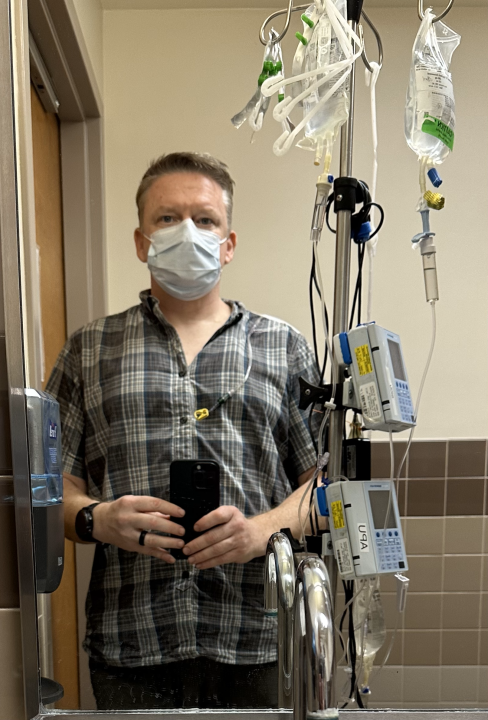
He told NewsNation that the support of others “fueled me to keep effing going.”
In April, Phillips founded the KFG nonprofit, which provides a network of professional life coaches to help people enduring health crises.
“I couldn’t take all of these awesome things and these great people that were either in my life or came to my life and just go back to the way I was living before,” he said.
Phillips’ group provides resources to active military members, veterans and first responders — something he calls a “survivor toolkit” — through coaching, helping boost a cancer fighter’s mental, emotional and social strength.
Support coaches help participants navigate the chaos during difficult moments, such as waiting for test results or returning for cancer screenings.
“Those scans every six months, you’re freaking out like, ‘Is it back again?’ So, it’s preparing mentally for that,” he said.