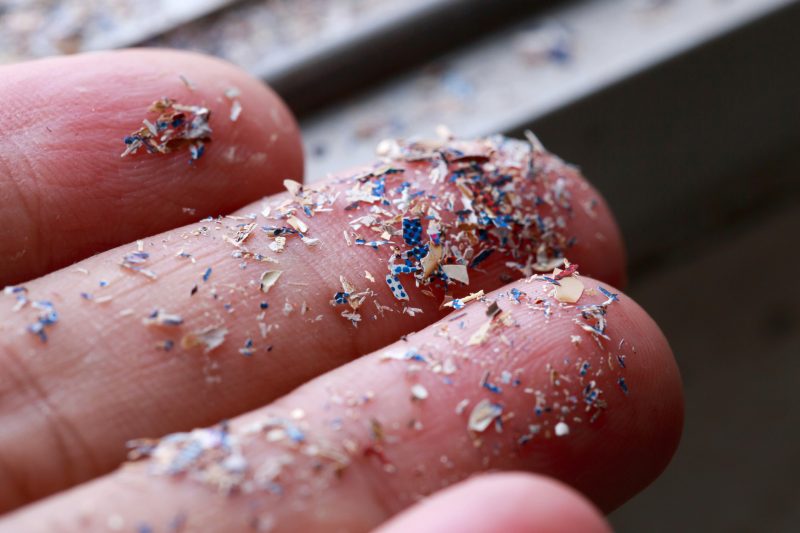
(NewsNation) — Microplastics — or extremely small particles of plastic found pretty much everywhere — have popped up in environments and creatures all over the planet.
Recent studies linking the particles to negative health effects have left many worried about how to avoid the flecks of pollution altogether.
What are microplastics?
Microplastics are tiny plastic pieces less than five millimeters long, according to the National Oceanic and Atmospheric Administration. NOAA warns the slivers of plastic have become “pervasive in natural and built environments” and are found in every ecosystem on the planet.
Whether you’re trekking the Antarctic tundra or traipsing in a vast rainforest, there are small specs of plastic embedded in the environment’s water, soil, plants — and the creatures that live there.
Yes, even humans. A University of New Mexico Health Sciences study released in February found the level of microplastics in human brains has increased by 50% over the past eight years.
Lead researcher and toxicologist Matthew Campen said in a news release that most microplastics are ingested through food, especially meat bought at grocery stores.
The spread of microplastics has something to do with the earth’s massive plastic pollution problem. A September 2024 study published in Nature established that the world pumps out 57 million tons of plastic pollution each year, with two-thirds of it coming from the Global South.
With that much plastic sitting around, improperly disposing of the material can just spread microplastics —and their even tinier counterparts, nanoplastics — farther across the globe, researchers said.


How harmful are microplastics?
The verdict is out.
While it’s generally accepted that microplastic build up is likely bad for humans, Nature cautions that more rigorous research is needed to determine the true effects of the particles, as current studies often have small sample sizes and face methodical limitations.
Several studies this year have looked at how prevalent microplastics are in our drinking water and in people’s tissue, such as hearts, brains and testicles, with doctors and scientists still not quite sure what it means in terms of human health threats.
Some research has linked microplastics to heart disease or Alzheimer’s and dementia, including the aforementioned University of New Mexico Health Sciences study.
It found that people with dementia had up to 10 times more plastic in their brains: “These results highlight a critical need to better understand the routes of exposure, uptake and clearance pathways and potential health consequences of plastics in human tissues, particularly in the brain.”
Researchers have also found evidence of microplastics in people’s bloodstreams.
Can you remove microplastics from your body?
There’s no sure-fire way to remove microplastics from the body. Your liver and kidneys likely help excrete some of it through urine and feces, though studies show that microplastics often linger on in bodies.
To avoid consuming more, it’s best to change your everyday practices through dietary and lifestyle means.
How to avoid consuming microplastics
Though microplastics are practically unavoidable in the modern day, consciously reducing your plastic use and protein intake could help lessen your chances of contact.
That means swapping out plastic Tupperware, water bottles and utensils. If you have to stick with your plastic fare, make sure to avoid microwaving it, said Tracey Woodruff, PhD, a UC San Francisco obstetrics and gynecology and reproductive sciences professor.
Woodruff explained to NewsNation that “heat makes plastic release harmful chemicals like BPA.”
She also recommends purchasing organic foods to avoid pesticide exposure and reducing red meat in your diet. The Common Earth suggests buying seafood that is “sustainably sourced” and opting to eat smaller fish rather than bigger catches — as larger fish tend to accumulate more microplastics.
In February, President Donald Trump signed an executive order mandating the return to plastic straws — declaring that paper ones “don’t work.”
“Straws are just the beginning,” Matt Seaholm, president and CEO of the Plastics Industry Association, said in a statement following the order. “‘Back to Plastic’ is a movement we should all get behind.”
NewsNation’s Ashley N. Soriano and The Associated Press contributed to this report.