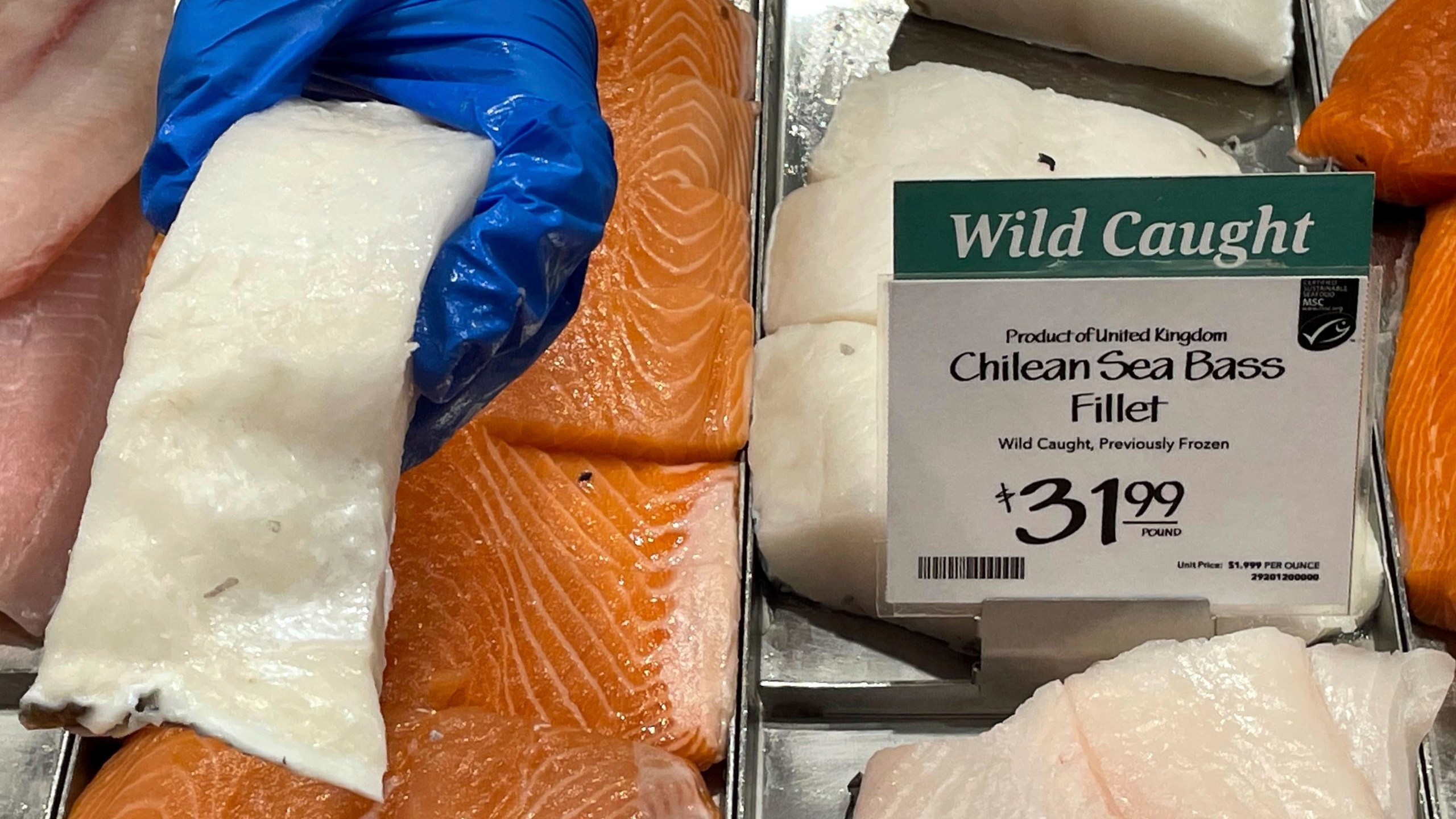
(NewsNation) — Mercury is a naturally occurring metal that can be toxic if too much is consumed.
Mercury can be present in some food depending on the environment in which the food was raised or grown. Seafood is the most common way people are exposed to mercury, according to the U.S. Food and Drug Administration.
Excessive exposure to mercury can lead to mercury poisoning. According to the Cleveland Clinic, mercury poisoning is rare but can be more common in mining or seaside towns where mercury is found.
What is mercury poisoning?
Mercury is toxic, and mercury poisoning occurs when your body reacts to being exposed to too much of it, according to the Cleveland Clinic.
Mercury poisoning can affect anyone who consumes mercury, but it most severely impacts children and fetuses of pregnant or breastfeeding women who consume large amounts of fish with high mercury content.
Three types of mercury are harmful: Elemental (found in glass thermometers, electrical switches, fluorescent lightbulbs and dental fillings); inorganic (found in batteries, certain types of disinfectants and in chemistry labs); and organic (found in coal fumes, fish that ate mercury and older antiseptics).