(NewsNation) — The U.S. Food and Drug Administration is warning parents about 7-OH, a synthetic opioid that can be more potent than morphine, as it moves to classify it as a controlled substance.
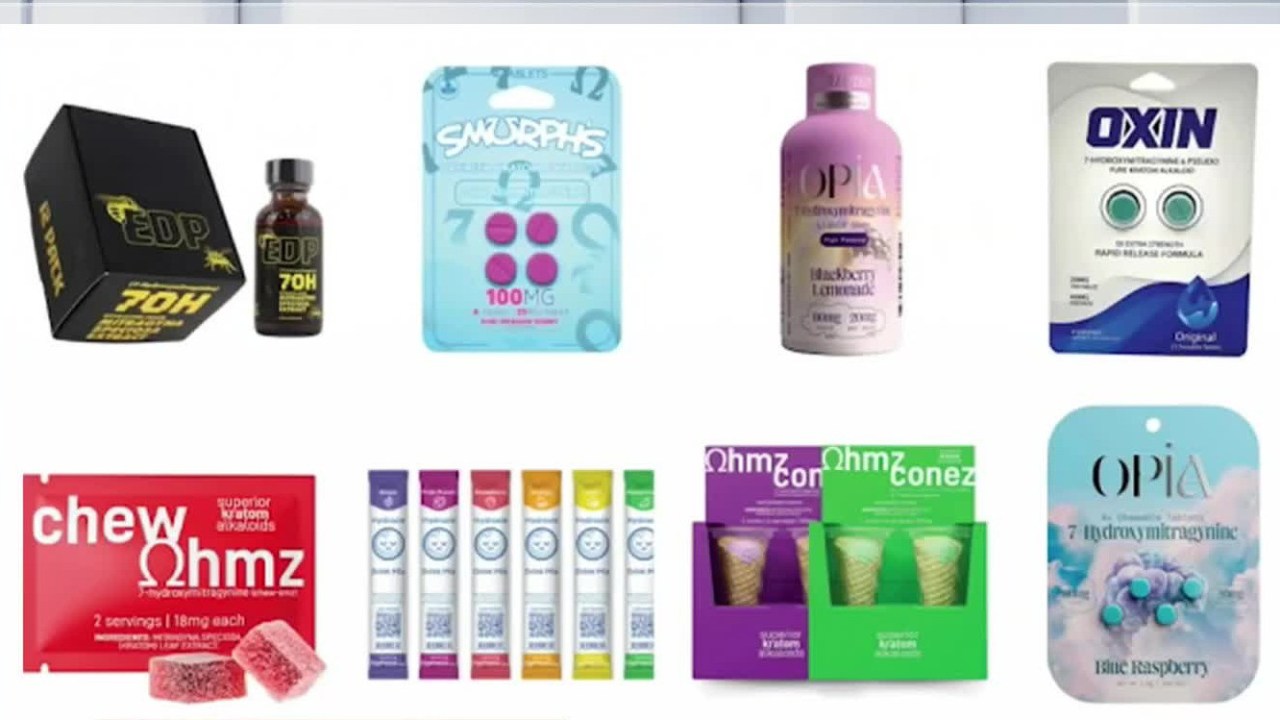
A compound extracted from the kratom plant, 7-OH is found in gummies, drinkable shots and tablets that are sold at gas stations, corner stores and vape shops across the United States.
Some researchers have dubbed it “legal morphine,” and it may be especially appealing to children and teens in the form of fruit-flavored gummies and ice cream cones.
“We found out, talking to the scientists, that it binds tightly to the opioid receptor,” FDA Commissioner Dr. Marty Makary told NewsNation.
“It’s functioning like an opioid, even up to 13 times more potent than morphine, and people can go down the street sometimes and buy it from these vape shops.”
The FDA fears the opioid epidemic is evolving with 7-OH and it’s cracking down on the substance as the Trump administration tackles illegal vaping products and unveils a new health tracking system.
The US government is looking to add 7-OH to the tier of Schedule I controlled substances, a classification typically reserved for highly addictive drugs like heroin and LSD.
Right now, 85% of vaping products in American vape stores are illegal, with most of them coming from China.
“They are very predatory, designed for children to create addictions,” Makary said.
“They have many fruity, cutesy flavors. They’ve got even video games with these devices in the same device, so they play the game and get addicted to vaping as they’re playing.”
7-OH, formally known as 7-Hydroxymitragynine, is banned in China; however, Makary found that in the Biden administration, the substances were showing up at ports, only to be put back on the ships and sent to the next port.
In response to the discovery, the FDA has sent a letter to all distributors, letting them know they are not to distribute these products in the United States.
They’re also alerting parents to the dangers of using the unregulated substance with a public service announcement campaign.
“We’re working with the DEA,” Makary said. “We’re doing a ton of stuff. And, we’ve got a report on the FDA website, educating school boards, houses of worship and parents about 7-OH.
“They’ve got to know what’s in the vape shops on the street.”