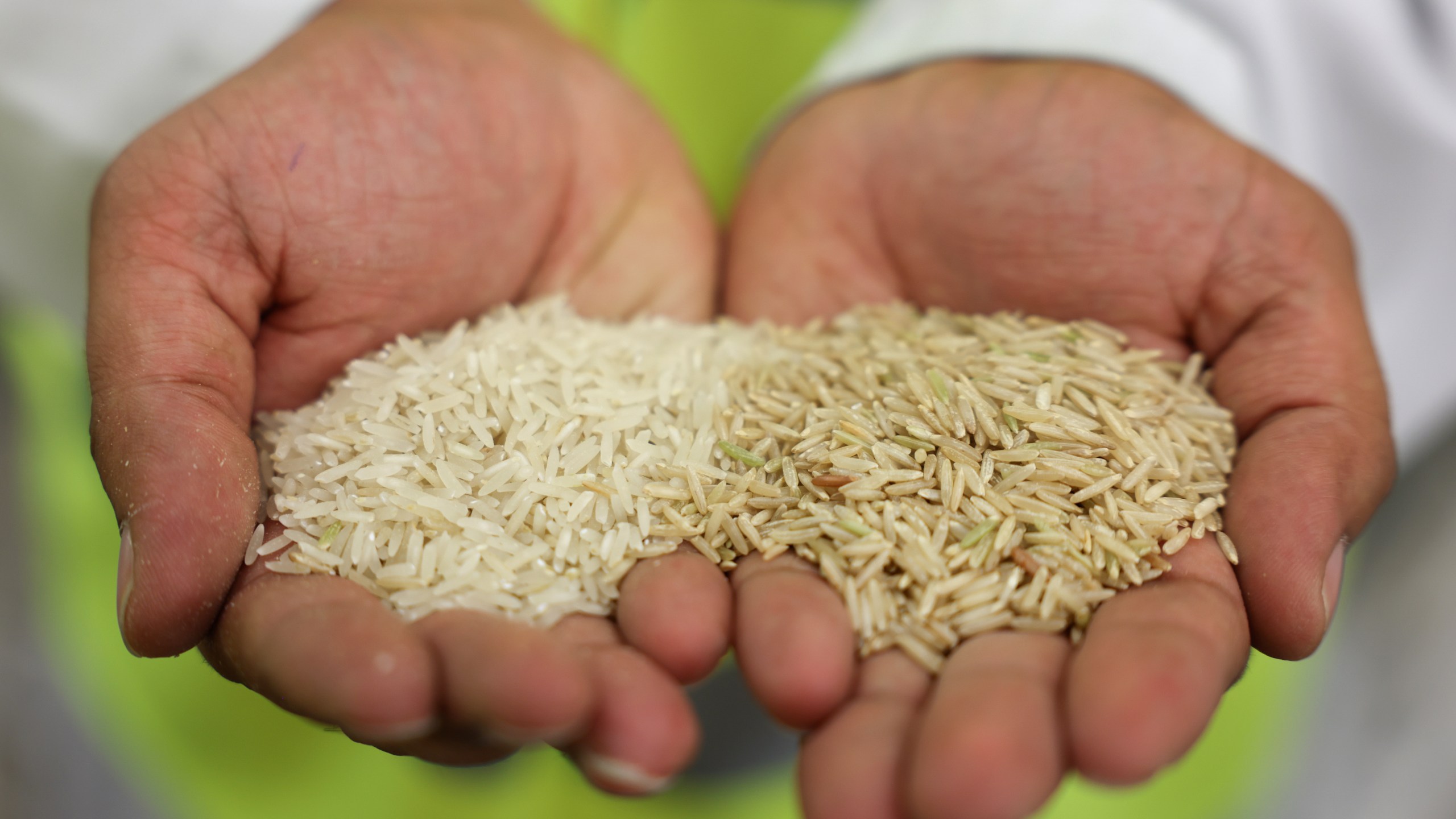
(NewsNation) — Opting for brown rice over white has traditionally been seen as a healthy choice, but a recent study has shown the swap could come with risks for some.
Brown rice contains more arsenic — a carcinogen — than white rice, according to research published in the journal Risk Analysis.
Statista estimates that in the last trade year, people worldwide ate around 522 million metric tons of rice, making it the most consumed food worldwide.
The study’s researchers acknowledged brown rice’s arsenic content can “potentially pose more of a health risk from consumptive exposure,” especially when eaten regularly over a lifetime.
“If you’re consuming rice in the U.S., acute arsenic poisoning is not really a risk,” said researcher Christian Kelly in a news release. “What we’re talking about is the chronic exposure, so over a long term.”
Chronic arsenic consumption can cause lung, skin and other cancers, as well as other skin conditions like lesions or keratoses, according to the Centers for Disease Control and Prevention.
The highest risk comes to those under 5 years old, according to the research, because they have a “higher rice intake per unit body weight.” The Food and Drug Administration has previously advised infants and pregnant women limit their intake of brown rice.
Exposure for most grown Americans “did not rise to a level that was a concern to pose elevated risks of harmful health outcomes.”
But researchers don’t recommend you rid your pantry of all brown rice — there’s a reason it’s been touted as a healthier rice alternative. Brown rice boasts a lower glycemic index and provides nutrients like fiber, magnesium, iron and potassium among others, according to research from Harvard.
The study posits that, while arsenic levels could be dangerous for young children, “more research is needed to demonstrate if the potential risks from this exposure are mitigated in part by the potential nutritional benefits provided by the rice bran.”