(NewsNation) — The thrill of a new tour announcement can often turn to dread as fans navigate Ticketmaster’s dynamic pricing system, which can turn an exciting purchase into a frustrating and expensive game of chance.
While fans of Ariana Grande may be pleased that she won’t be using that model for her just-announced “Eternal Sunshine Tour,” other acts have used the model, which has caused controversy.
What is dynamic pricing and how does it work?
Dynamic pricing is a strategy used by ticketing companies, such as Ticketmaster, that adjusts the prices of tickets in real time based on supply and demand, competition and other market forces, according to PriceFx.
There are different dynamic pricing strategies that companies implement, including surge pricing, which sets peak prices during high demand; and time-based pricing, where prices change depending on the time of the day, day of the week and season.
Ticketmaster’s dynamic pricing
According to PriceFx, Ticketmaster uses a high-demand model, where prices increase and decrease based on the number of available sets and levels of interest.
For example, tickets for music superstars, Beyoncé and Bruce Springsteen, could fetch thousands of dollars.

INGLEWOOD, CALIFORNIA – SEPTEMBER 01: (Editorial Use Only) Beyoncé performs onstage during the “RENAISSANCE WORLD TOUR” at SoFi Stadium on September 01, 2023 in Inglewood, California. (Photo by Kevin Mazur/WireImage for Parkwood) 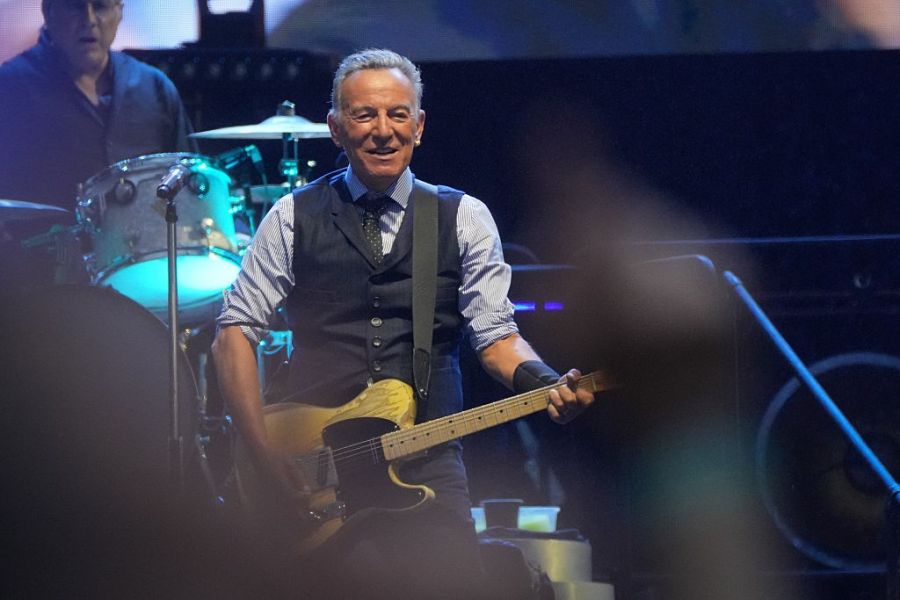
SAN SEBASTIAN, GUIPUZCOA BASQUE, SPAIN – JUNE 21: The singer Bruce Springsteen performs during his concert at the Reale Arena, on 21 June, 2025 in San Sebastian, Guipuzcoa, Basque Country, Spain. It is the first of only two dates of the artist in Spain in 2025 (the second will be on Tuesday, June 24, also at the Reale Arena), within the European tour Land of Hope and Dreams with the E Street Band. Bruce Springsteen, nicknamed The Boss, is one of the most influential musicians and composers in rock history. He is best known for his work with the E Street Band, his backing band since 1972, and for being a pioneer of heartland rock, a style that combines classic rock with poetic and socially engaged lyrics that reflect the life of working-class Americans. (Photo By Unanue/Europa Press via Getty Images) 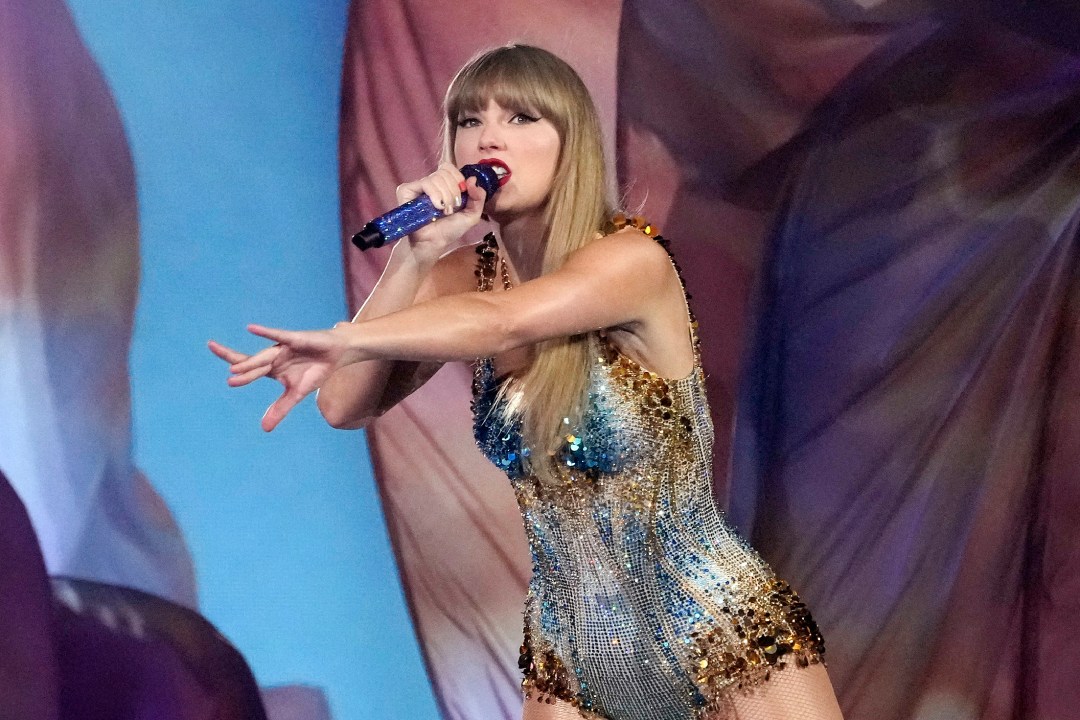
FILE – Taylor Swift performs during “The Eras Tour,” Monday, Aug. 7, 2023, at SoFi Stadium in Los Angeles. (AP Photo/Chris Pizzello, File)
Springsteen concert tickets were reportedly going as high as $5,000, PriceFx said, which brought backlash from customers.
Oasis, the ’90s rock band, announced last year that they were returning to the stage. However, Ticketmaster’s dynamic pricing strategy led fans waiting in digital waiting rooms for most of the day when tickets went on sale, and when they were able to buy tickets, the cost became prohibitively high, according to Northeastern Global News.
The fiasco led the UK to launch an investigation into the practice, and Oasis announced it wouldn’t use dynamic pricing for the North American leg of their tour.
Taylor Swift reportedly ditched dynamic pricing for the “Eras Tour,” instead using a fixed model, according to UpRoxx.
Fixed pricing model pricing is based on the market, but on a set, non-negotiable price.
Ticketmaster and StubHub
Fans do have other options, such as StubHub, to buy tickets if they don’t want to use Ticketmaster.
While fans can buy original tickets directly from Ticketmaster, many opt for official resale platforms like StubHub to secure their tickets, often paying a premium over the original price.
Dynamic pricing pros and cons
Like most things, dynamic pricing has its pros and cons; however, the pros seem to benefit the business rather than the consumer, according to Priceffx.
Ticketmaster can use its dynamic pricing model to push prices up and down because of consumer buying behavior, which can bring in more ticket sales if set low, but more profit for a higher price.
However, the downside of this is that consumers will not trust a company, whether it’s for a concert or a ride-sharing company that implements dynamic pricing, if prices aren’t consistent.