(NewsNation) — Emma Heming Willis is opening up the grief she’s feeling this holiday season as her husband, Bruce Willis, battles dementia.
In an essay on her website, Heming Willis writes about how different the holidays look now that she is a caregiver for Willis and the complicated feelings it brings.
“The holidays have a way of holding up a mirror, reflecting who we’ve been, who we are, and what we imagined they would be. When you’re caring for someone with dementia, that reflection can feel especially poignant,” she writes.
“Traditions that once felt somewhat effortless require planning — lots of planning. Moments that once brought uncomplicated joy may arrive tangled in a web of grief.”

Bruce Willis attends the Comedy Central Roast of Bruce Willis at Hollywood Palladium on July 14, 2018, in Los Angeles, California. (Photo by Rich Fury/Getty Images) 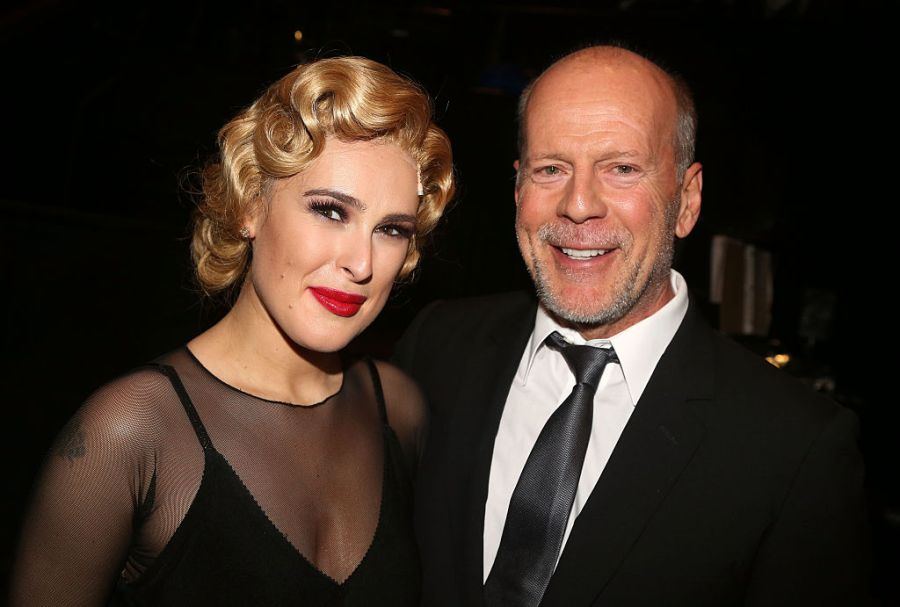
NEW YORK, NY – SEPTEMBER 21: (EXCLUSIVE COVERAGE) Rumer Willis and father Bruce Willis pose backstage as Rumer makes her broadway debut as “Roxie Hart” in Broadway’s “Chicago” on Broadway at The Ambassador Theater on September 21, 2015 in New York City. (Photo by Bruce Glikas/FilmMagic) 
LOS ANGELES, CA – JULY 14: (L-R) Rumer Willis, Bruce Willis, Demi Moore and Tallulah Belle Willis attend the after party for the Comedy Central Roast of Bruce Willis at NeueHouse on July 14, 2018 in Los Angeles, California. (Photo by Phil Faraone/VMN18/Getty Images For Comedy Central)
She also writes caregivers can also mourn, as mourning isn’t exclusive to death.
“Grief doesn’t only belong to death. It belongs to change, and the ambiguous loss caregivers know so well. It belongs to the realization that things won’t unfold the way they once did. It belongs to the absence of routines, conversations, or roles that were once so familiar you never imagined them ending,” she wrote.
Bruce Willis diagnosed with frontotemporal dementia
The “Die Hard” star’s family first announced in 2022 the actor was diagnosed with aphasia, a disorder that can result in trouble speaking or processing language. The condition progressed to frontotemporal dementia in 2023, his family said.
Heming Willis told NewsNation’s Elizabeth Vargas in October that he experiences anosognosia, a neurological condition in which patients don’t recognize their own health decline.
“I am grateful that Bruce never tapped into the idea that he had FTD,” she said. “If Bruce had said, ‘Emma, I think something’s wrong with me. I’m scared,’ that would have been really distressing.”
Emma Heming Willis reminisces on the old times
In her blog post, the author reflected on what their life used to look like before Willis’s diagnosis.
“For me, the holidays carry memories of Bruce being at the center of it all. He loved this time of year — the energy, family time, the traditions,” she said. “He was the pancake-maker, the get-out-in-the-snow-with-the-kids guy, the steady presence moving through the house as the day unfolded.”
“There was comfort in the routine of knowing exactly how the day would go, especially since I’m a creature of habit. Dementia doesn’t erase those memories. But it does create space between then and now. And that space can ache.”