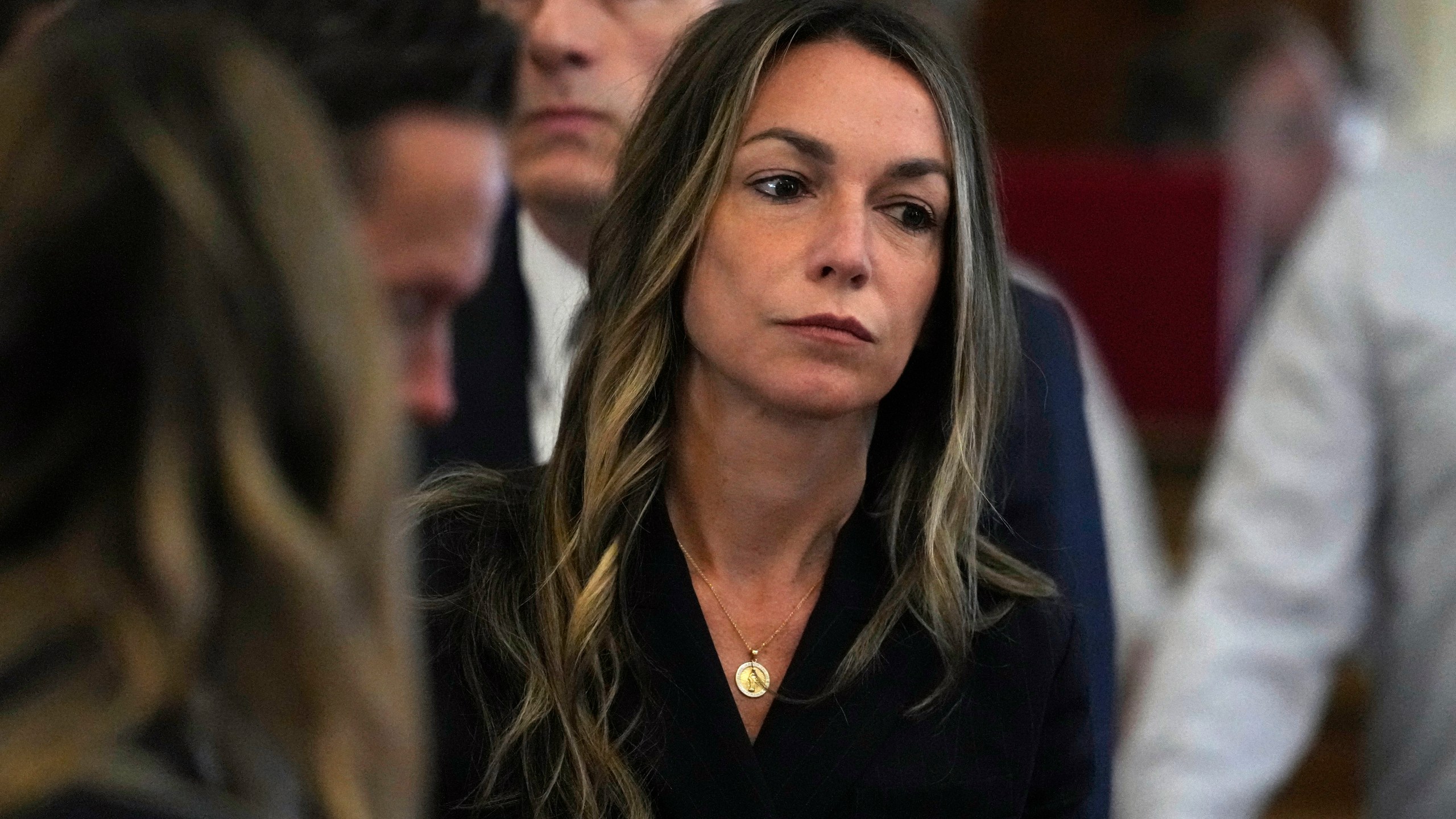
(NewsNation) — Karen Read is set to go before a jury for the second time next week, facing the same charges as her first in connection to the death of her Boston police officer boyfriend, whom she’s accused of hitting with her car and leaving for dead.
Massachusetts prosecutors are retrying the case against Read on April 1 after her original case ended in a mistrial last year because jurors couldn’t reach an agreement.
Read is accused of killing her boyfriend, John O’Keefe, by striking him with her vehicle and leaving him for dead during a snowstorm in 2022.
She has been charged with second-degree murder, manslaughter while operating a vehicle under the influence and leaving the scene.
Read’s case captivated the nation and is likely to garner significant public attention again the second time around.
The trial has already taken an unusual turn days before jury selection after her defense team added an alternate juror from her first trial to represent her as an attorney in her second, court documents showed.
What is Karen Read accused of?
Prosecutors alleged Read and O’Keefe, a member of the Boston police, had been drinking heavily before she dropped him off at a party at the home of Brian Albert, a fellow Boston officer, on January 29, 2022.
After letting him out of the car, they allege she hit him with her SUV before driving away.
O’Keefe was found unresponsive in a snowbank outside of a fellow police officer’s home in suburban Boston. He was pronounced dead at a local hospital after suffering from hypothermia and a head injury, officials said.
They alleged that Read intentionally struck the cop because the relationship between the two had soured in the month leading up to his death.
Read’s defense attorneys dismissed the narrative, saying instead that several other officers are behind O’Keefe’s death and have colluded with other cops to cover up his death by framing his girlfriend.
Why is Read being retried for the same charges?
Read went to trial for O’Keefe’s death in 2024, but after months of evidence and witness testimonies, the jury could not reach a unanimous verdict, leading Judge Beverly Cannone to declare a mistrial.
After the mistrial, Read’s lawyers presented evidence that at least four jurors had said they were actually deadlocked only on a third count of manslaughter and that inside the jury room, they had unanimously agreed that Read was innocent of second-degree murder and leaving the scene of a deadly accident.
Prosecutors called on Cannone to dismiss what they called an “unsubstantiated but sensational post-trial claim” based on “hearsay, conjecture and legally inappropriate reliance as to the substance of jury deliberations.”
They argued that the jury never indicated they had reached a verdict on any of the charges, were given clear instructions on how to reach a verdict and that the defense had ample opportunity to object to a mistrial.
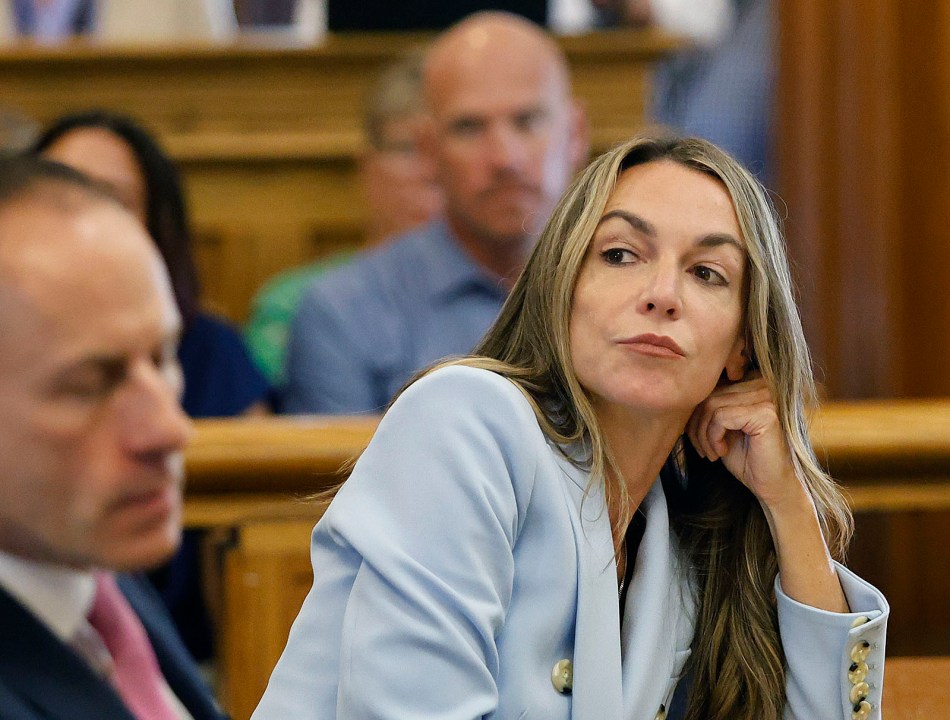
Read’s attorney asked Cannone to consider summoning the jurors back to court for more questions. The judge declined, saying the jurors didn’t tell the court during their deliberations that they had reached a verdict on any of the counts.
“Where there was no verdict announced in open court here, retrial of the defendant does not violate the principle of double jeopardy,” Cannone said in her ruling last year.
Read’s attorney tried to block the retrial in February by filing a motion in federal court arguing that a retrial would violate her constitutional protection against double jeopardy.
The Massachusetts Supreme Judicial Court shot down the attempt and cleared the way for a new trial on all three charges.
Read’s first trial surrounded by controversies
Read’s first trial elicited a host of controversies, which could drum up once again.
During her first trial, a group of supporters who maintain Read’s innocence gathered outside of the courthouse wearing “Free Karen Read” T-shirts and carrying signs. Prosecutors were seeking to ban T-shirts and other signs that read “Free Karen Read” to avoid impacting jurors.
The court also required them to remain at least 200 feet from the courthouse and inside a buffer zone set up by the trial judge to maintain an unbiased jury. The group fought against a motion, which ultimately led to the buffer zone being established. Prosecutors were also seeking to ban T-shirts and other signs that read “Free Karen Read” to avoid impacting jurors.
Read was also supported by a confrontational blogger named Aidan Timothy Kearney, known as “Turtleboy.” Kearney attempted to interfere with the trial and was eventually charged with harassing, threatening and intimidating witnesses in the case.
For months, he had raised doubts about Read’s guilt on his blog, which was widely read by her supporters.
Much of their support rested on the defense theory that Read was framed as part of a larger cover-up by police.
The lead investigator in the case, former State Trooper Michael Proctor, was fired in February after a disciplinary board found he sent sexist and crude texts about Read to his family and colleagues.
Massachusetts State Police launched an internal affairs investigation into Proctor after the mistrial.
“My decision to terminate Mr. Proctor follows a thorough, fair, and impartial process,” Superintendent Col. Geoffrey Noble said in a statement. “I have weighed the nature of the offenses, their impact on our investigative integrity, and the importance of safeguarding the reputations of our dedicated women and men in the State Police.”
Read is also facing a civil wrongful death lawsuit by O’Keefe’s family, which has been put on hold pending the criminal retrial. Her lawyers said the parallel civil and criminal proceedings could undermine Read’s Fifth Amendment protection against self-incrimination.
NewsNation’s Jeff Arnold and The Associated Press contributed to this story.