(NewsNation) — The Idaho judge in the murder case against Bryan Kohberger will consider unsealing the evidence collected against him, including photos of the deceased victims.
The photos are part of the prosecution’s evidence provided at Kohberger’s sentencing hearing, according to the order.
Also on the list of sealed documents the court will consider unsealing are a guilty plea advisory form completed by Kohberger, a list of witnesses that would be called at trial and evidence from defense lawyers on “alternate perpetrators” who may have been involved.
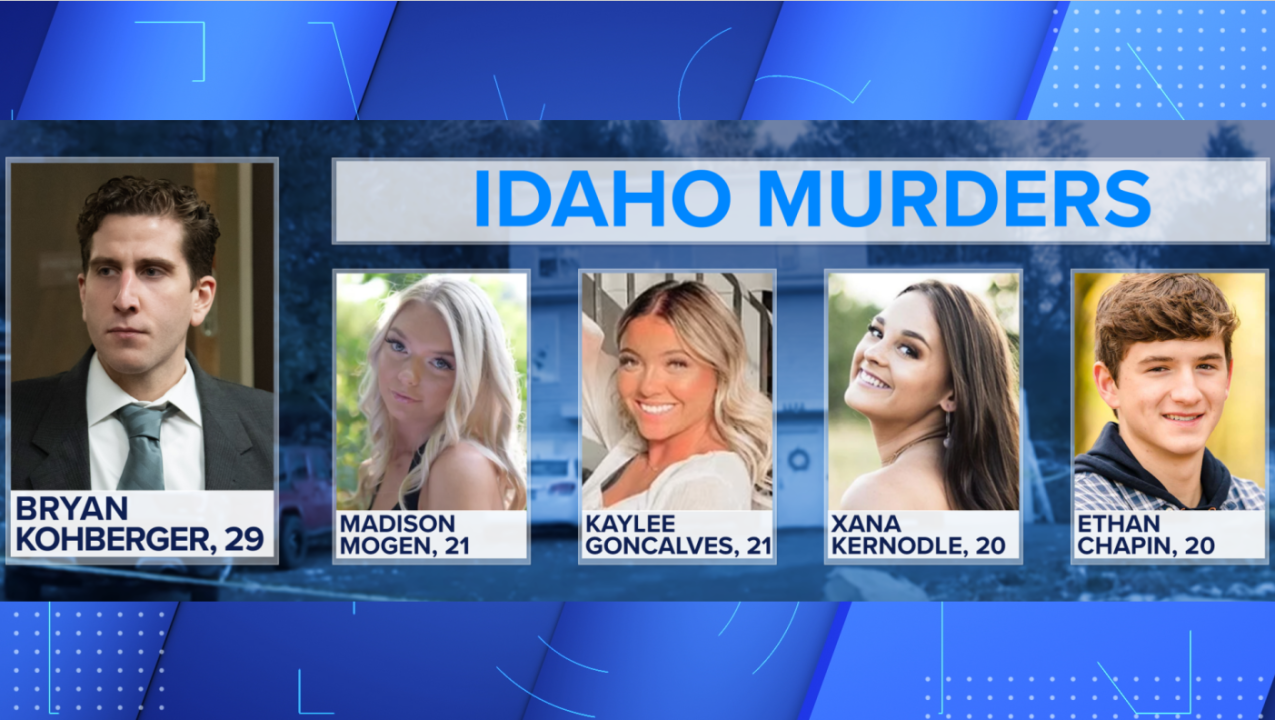
Kohberger, a former graduate student in criminal justice at Washington State University, faces murder charges for the deaths of Xana Kernodle, Madison Mogen, Kaylee Goncalves and Ethan Chapin, who were killed at an off-campus house near the University of Idaho on Nov. 13, 2022. He had pleaded not guilty. 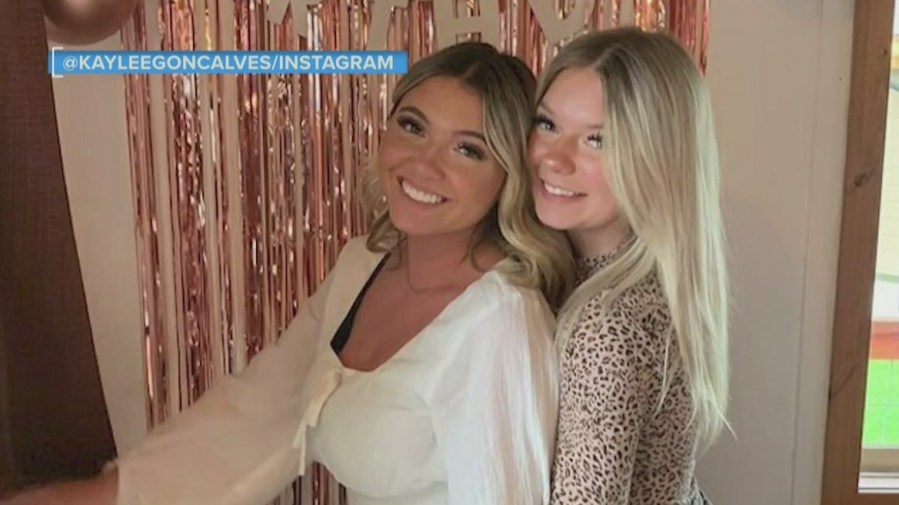
(@kayleegoncalves Instagram) 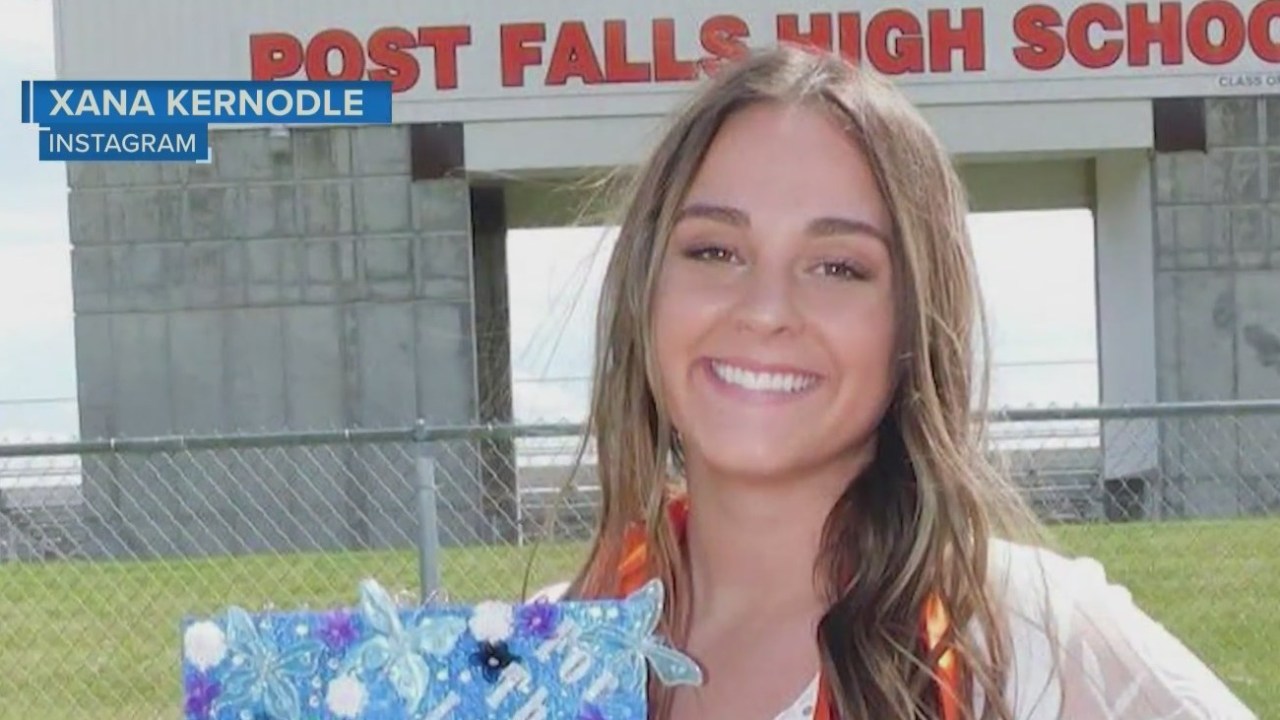
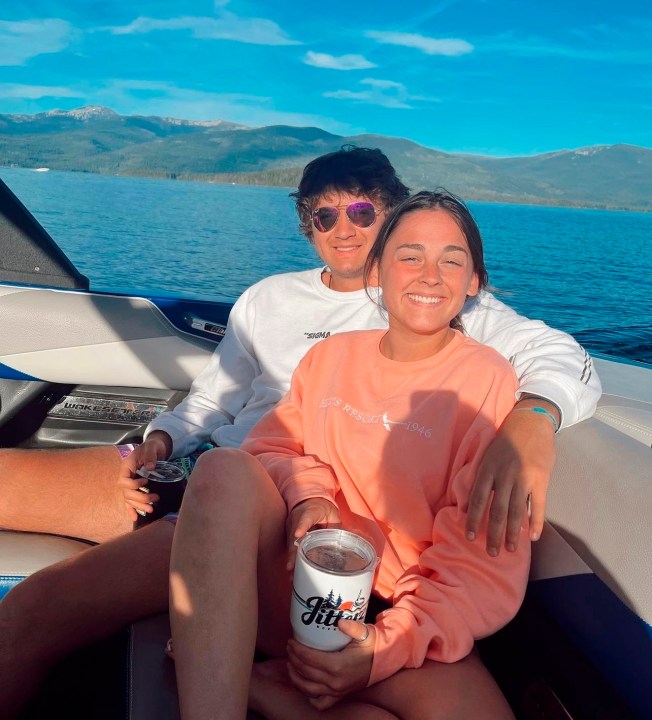
University of Idaho students Xana Kernodle, right, and Ethan Chapin on a boat on Priest Lake in Idaho. Both students were among four found stabbed to death in an off-campus rental home on Nov. 13, 2022. (Jazzmin Kernodle via AP) 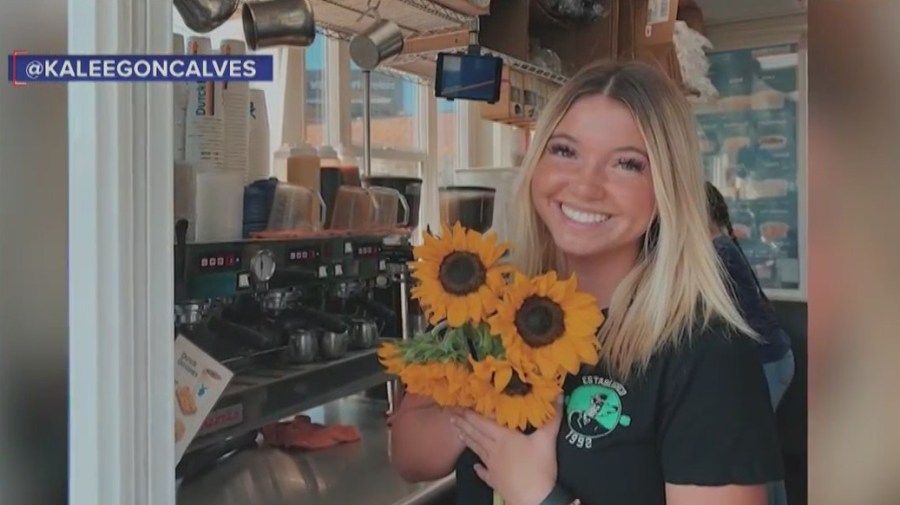
Kaylee Goncalves
In his order, Judge Steven Hippler lists several documents he will examine and has given both prosecutors and defense attorneys 14 days to object to the release of any individual record.
Hippler noted that the parties “must identify why redacting of materials is not an acceptable arrangement and with detail and specificity why the document should be sealed, from both legal and factual standpoint.”
Kohberger accepted a plea deal weeks before he was set to go to trial for the murders of Kaylee Goncalves, Madison Mogen, Xana Kernodle and Ethan Chapin.
That deal took the death penalty off the table in exchange for a guilty plea in which he also agreed to waive his appeals in the killings and burglary charges.
The former graduate student was handed four life sentences last month.
Unsealing documents is a complex balancing act
There are ethical considerations judges consider before unsealing records, Christine Bartholomew, a professor at the University at Buffalo School of Law, told NewsNation.
“The interests of the public having that information weighed against the need for continued confidentiality” is a balancing act,” she said.
Bartholomew said that the default in the judicial system is that documents are generally considered public unless something overcomes that, but even there are questions on how long that needs to last.
“Public confidence in the jury process transparency is important,” she said.
If someone wants a document to remain sealed, then they really have the onus to explain why, she said.
“When we have victim pictures of sensitive crimes that has a privacy consideration that can be taken quite seriously. But witness lists, it’s not quite the same type of sensitivity,” she said.
Unsealing process will take ‘patience,’ judge says
Days before his sentencing hearing, Hippler lifted a gag order on the case but specifically noted that doing away with the gag order “does not convert sealed documents to unsealed documents.”
“That process is going to take time, and I’m not talking days, I’m probably not talking weeks, for that to be accomplished,” he said at the gag order hearing. “Patience will be required to get through that.”