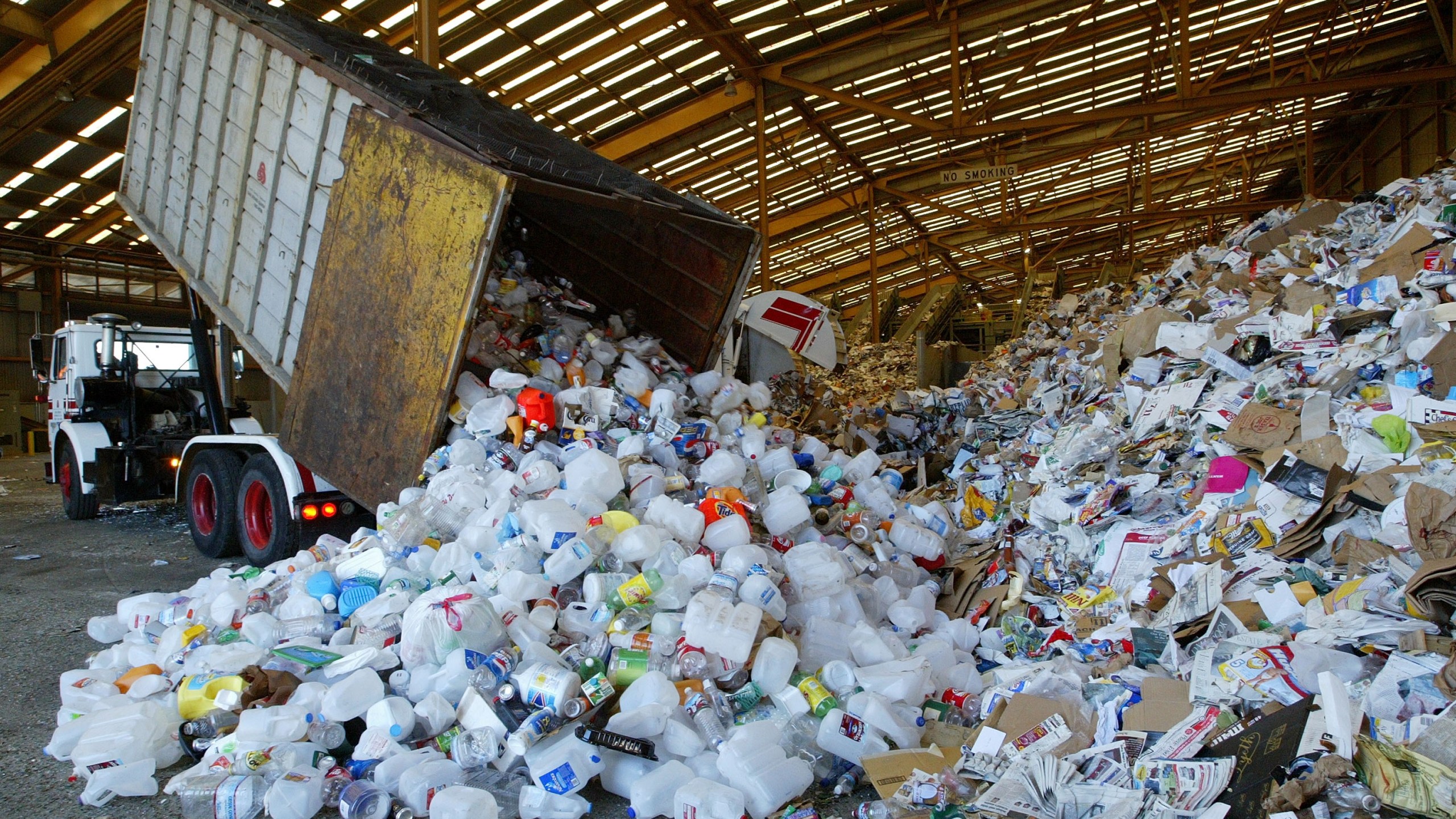
(NewsNation) — Malaysia will ban plastic waste imports from the United States starting Tuesday, citing America’s failure to comply with the Basel Convention. The move could significantly affect California, one of the largest exporters of plastic waste to Malaysia.
After China’s 2018 ban on American waste, Malaysia became a key destination. Under new Malaysian guidelines issued last month, plastic and hazardous waste will be prohibited from countries that have not ratified the Basel Convention. The U.S. is among a small group, including Haiti and Fiji, that has not signed the treaty, which aims to reduce hazardous waste shipments and promote safe disposal practices.
Malaysia will still accept waste from countries that are signatories to the Basel Convention, but only if shipments undergo preinspection at the country of origin.
California’s waste issue
The effects are already being felt, according to Steve Wong, CEO of Hong Kong-based plastics recycling company Fukutomi. In an email shared with the Los Angeles Times, Wong said the new rules have caused significant disruptions at ports.
“With scrap inventories building up at ports and yards, and no clear guidance yet on the enforcement discretion or timeline of Malaysia’s new system, the market for imported plastic waste has effectively frozen,” he wrote.
Wong said the halt has particularly affected plastics used in grocery bags, food wrap and trash liners.
“The scrap plastics market in Malaysia has come to a virtual standstill amid tightening import regulations and widespread uncertainty ahead of the new control regime taking effect on 1 July 2025,” Wong wrote. “Recyclers, traders, and suppliers are all reporting minimal or no movement of plastic waste.”
California sends the bulk of its recyclable waste abroad.
According to California’s waste agency, CalRecycle, the state exported 11.3 million tons of recyclables in 2022 to countries like Malaysia, Thailand, Vietnam, China, South Korea and Mexico.
While CalRecycle’s breakdown does not specify exports by country, its data underscores Malaysia’s role as a key recipient of California’s plastic waste.
A spokesperson for CalRecycle told the LA Times that California is working to reduce plastic pollution globally and has significantly scaled back its exports over the past decade.
What is the Basel Convention?
The Basel Convention is an international treaty regulating global waste transfers. It was first negotiated in 1989 and entered into force in 1992.
While it doesn’t ban waste shipments outright, the treaty is designed to minimize hazardous waste trade and ensure any cross-border waste movement is environmentally sound and consensual, according to the State Department.
The department said the U.S. has not ratified the agreement “because it does not have sufficient domestic statutory authority to implement all of its provisions.”