(NewsNation) — Almost five years on from the COVID-19 pandemic, the Social Security trust fund has financially benefited following the deaths of more than a million Americans between 2020 and 2023, according to a new report.
Now, those premature deaths have saved billions and billions in Social Security payments.
Social Security savings after COVID
According to the National Bureau of Economic Research, around $294 billion has been saved as a result. The figure would have been higher if not for lost tax revenue offsetting the total by approximately $205 billion.
Survivor benefits to children and spouses of the deceased contributed to the money saved by the Social Security trust.
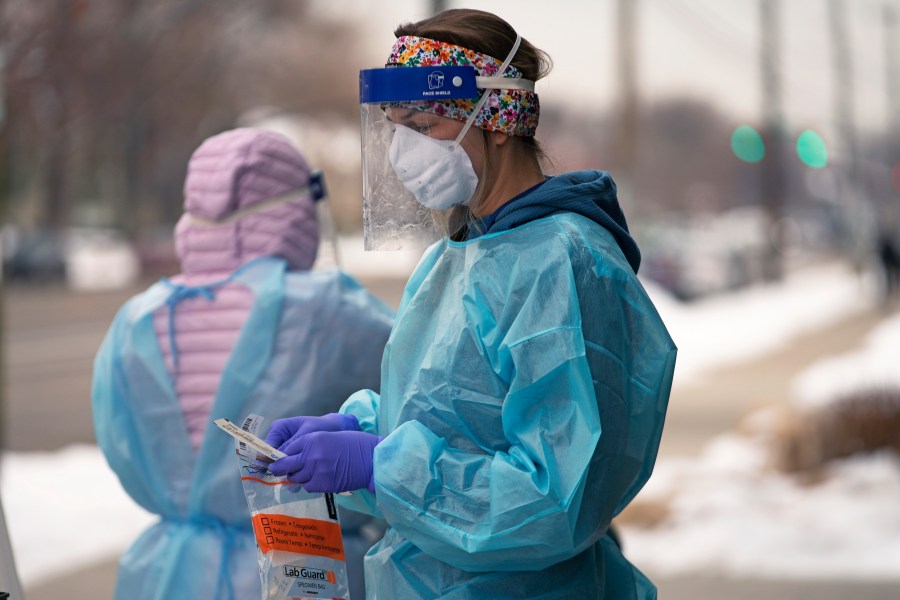
The researchers did note that COVID can have other impacts on Social Security, with long-COVID sufferers or others affected by the pandemic potentially dipping into their benefits more prematurely than pre-pandemic.
Should you have alternate retirement plans?
Jeff Williams, U.S. president and CEO of benefits administration company, Aptia, tells NewsNation that Americans should have a multi-faceted plan before retiring.
“It’s understandable to worry about Social Security, but a strong retirement plan goes beyond just one source of income,” Williams said.
“Taking a proactive approach—factoring in healthcare costs, savings, and available benefits—can help provide long-term financial security and an easier transition into retirement,” he added.