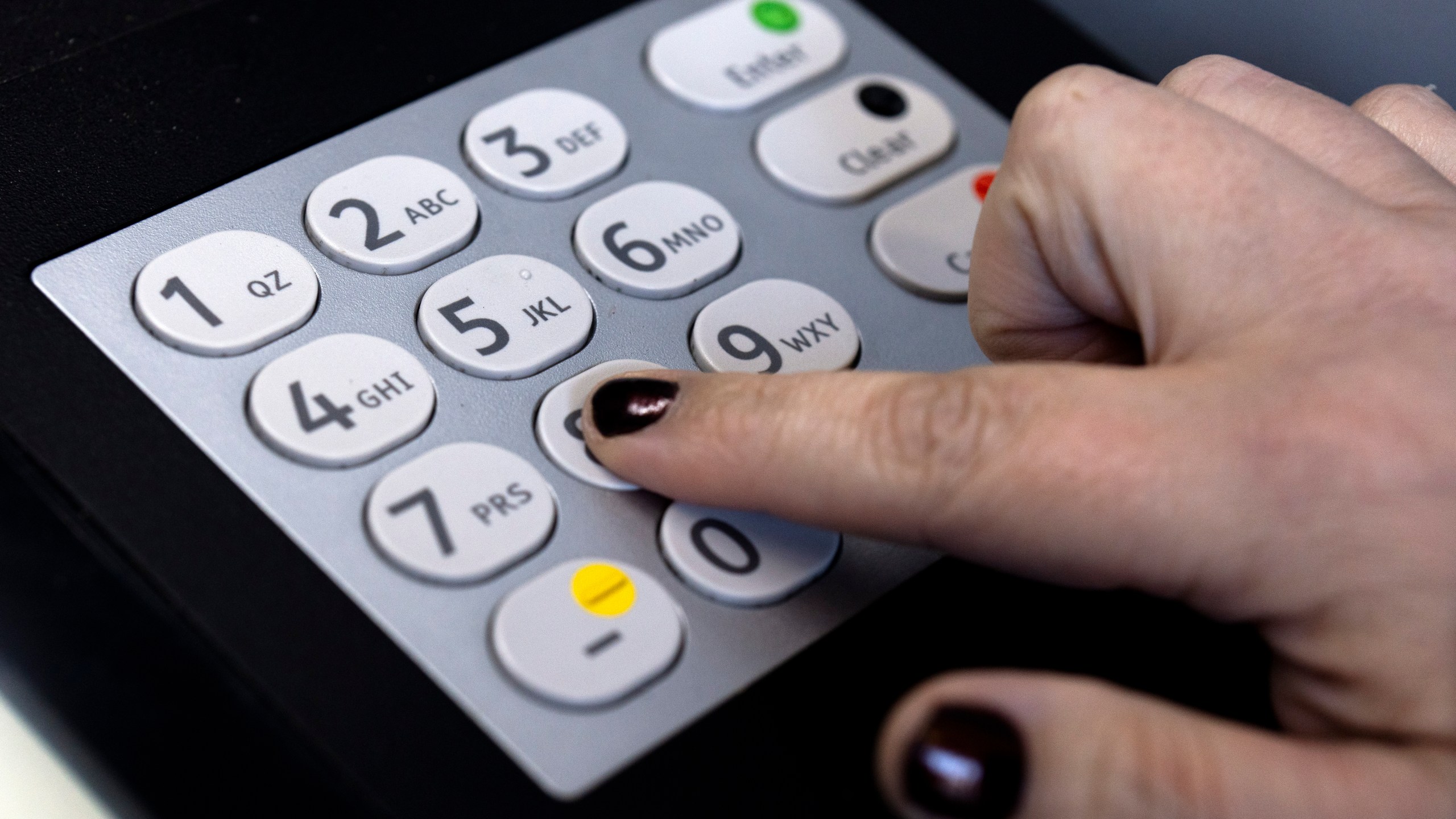
(NewsNation) — Florida lawmakers are eyeing legislation to prevent crypto ATM scams, a growing problem as people nationwide are losing a hefty chunk of change within seconds.
Americans lost nearly $247 million to crypto ATM scams last year, and seniors above age 60 were the most frequent targets, according to the FBI’s 2024 Internet Crime Report.
Lawmakers in Tallahassee, Florida, have proposed a bill that would require crypto ATMs to display clear warnings of possible fraud tactics. State House Bill 505 would also limit transactions for new customers to $2,000 per day and for existing customers to $10,500 per day. It mandates the kiosk operator to provide customers with a receipt and the option of a refund under certain conditions.
The machines lack comprehensive regulations, but other states have already put safeguards in place to prevent further scams.
Maryland passed legislation this year to require virtual currency kiosk operators to register with the state, post fraud warnings, provide or display transaction receipts and refund fees on fraudulent transactions. AARP, a nonprofit for Americans age 50 and older, worked to help get this legislation passed, as this type of scam largely targets that demographic.
What are crypto ATMs?
Also known as Bitcoin ATMs, the electronic kiosks are used to convert cash into digital currency. The machines look like regular ATMs, but they do not dispense cash. Instead, they allow a user to buy or sell cryptocurrency using cash or a debit card without needing a bank account.
More than 38,000 crypto ATMs exist worldwide as of this year, the majority in the United States, according to Bankrate.
How do crypto ATM scams work?
Urgency is a common tactic scammers use to lure a victim into quickly sending money via crypto ATMs. The scams typically involve someone posing as a business or government member. They demand that the digital currency be sent quickly.