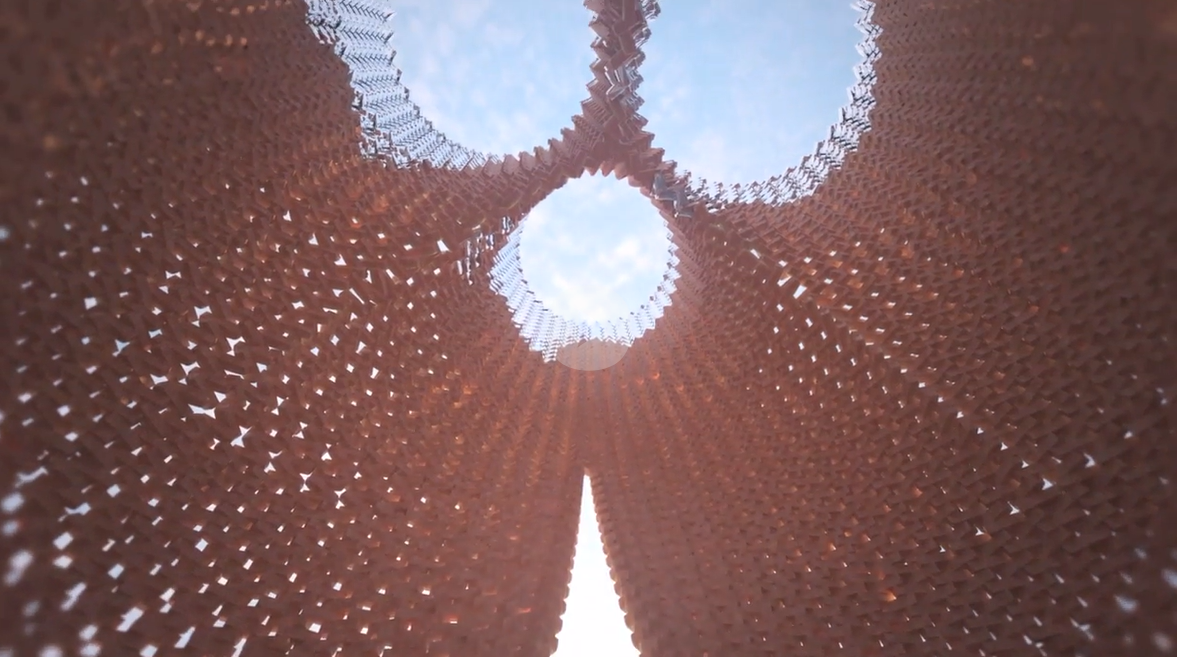
(NewsNation) — It sounds like science fiction — living architecture, self-healing bricks, edible construction.
Yes, it’s alive: Some call it “mycotecture” the process of using biology to grow the materials used in buildings, all made possible by the humble mushroom.
NewsNation spoke with architect David Benjamin on his team’s work to create real-life examples of what can be achieved when biology meets architecture. They started with an outdoor, 30-foot tower in New York City and are now collaborating on an affordable housing project in California.
Here’s what to know about the future of fungi-based, sustainable housing — and how it may just reshape our definition of what a building is.
What is mycotecture? And how does it work?
In mycotecture, the building block of these building blocks is a substance called mycelium.
“If you pick up a little piece of a stump of a biodegrading tree that fell in the forest, sometimes on the bottom of it you’ll see these white filaments,” Benjamin said. “That’s basically mycelium.”
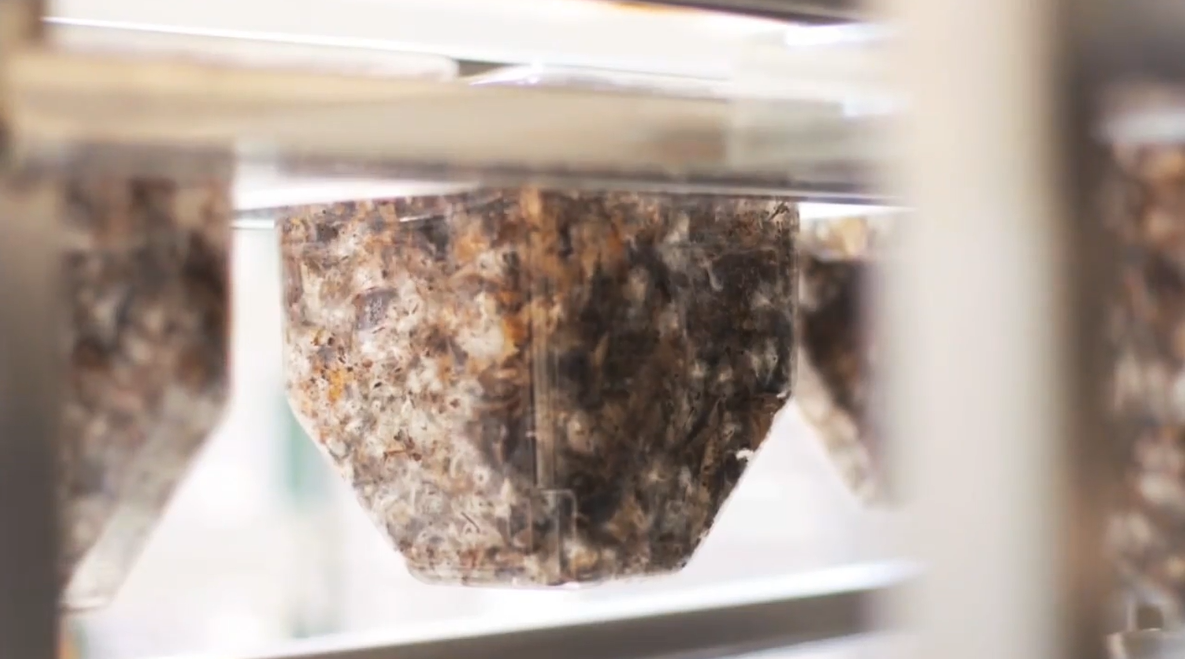
Combining mycelium with agricultural waste, like corn stalks or husks, creates a tiny fungus factory. Once you have that reaction, Benjamin said you can grow “objects in almost any shape that you can create a mold for” in less than a week.
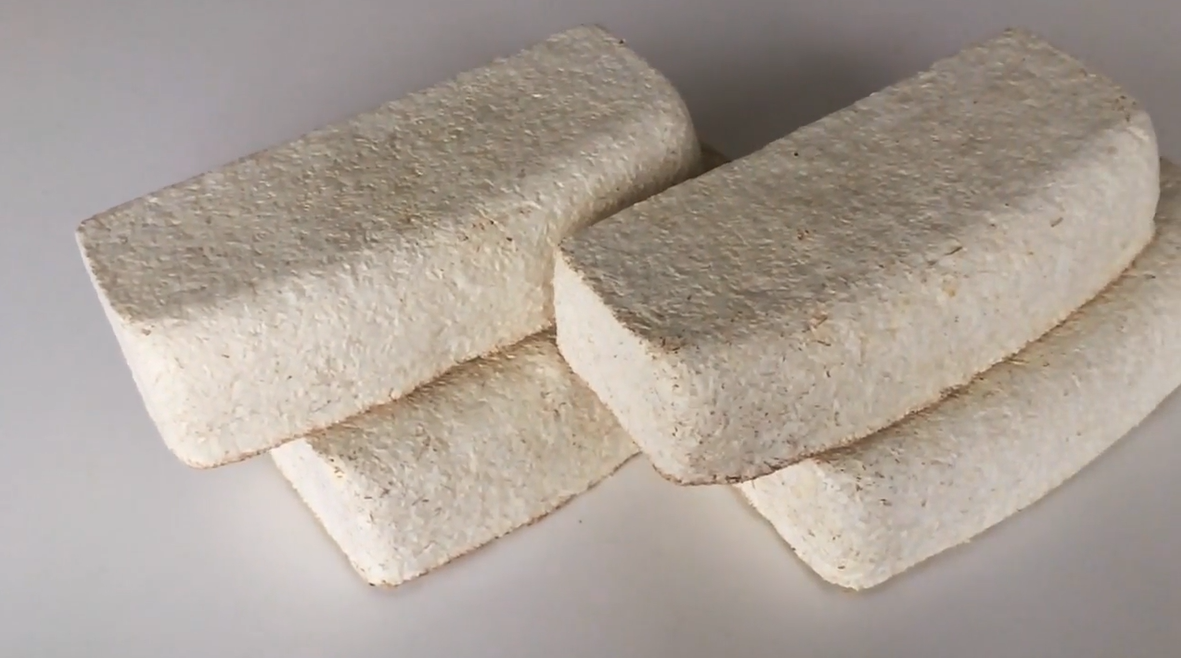
After the object dries, the result is a hard, sturdy, lightweight and non-toxic material. It’s both cheap and low-energy to make. The material can also be fully composted after use.
“You could have a building block that is itself living and that can do things like self-healing,” he said. “You can take two bricks at just the right moment. … You can place them together, and they will basically fuse together.”
How could ‘living architecture’ impact climate change?
Traditional architecture has an outsized impact on climate change, Benjamin said.
“If you take the whole pie chart of carbon emissions … architecture is 40%. And materials for architecture is almost 20%,” he said. In contrast, flying airplanes is just 2.5%.
Take, for example, a typical building facade. It’s likely made of plastic-based foam, surrounded by fiberglass.
“That’s great for durability. Not so great for sustainability,” Benjamin said.
At an affordable housing site in California, Benjamin and the team are instead covering mycelium with fiberglass, manufacturing a facade that is high-performance, with super-low carbon.
“It’s making building materials out of growth, rather than chemical reactions or melting things,” he said.
OK … but mushrooms? Does it smell? And can I eat it?
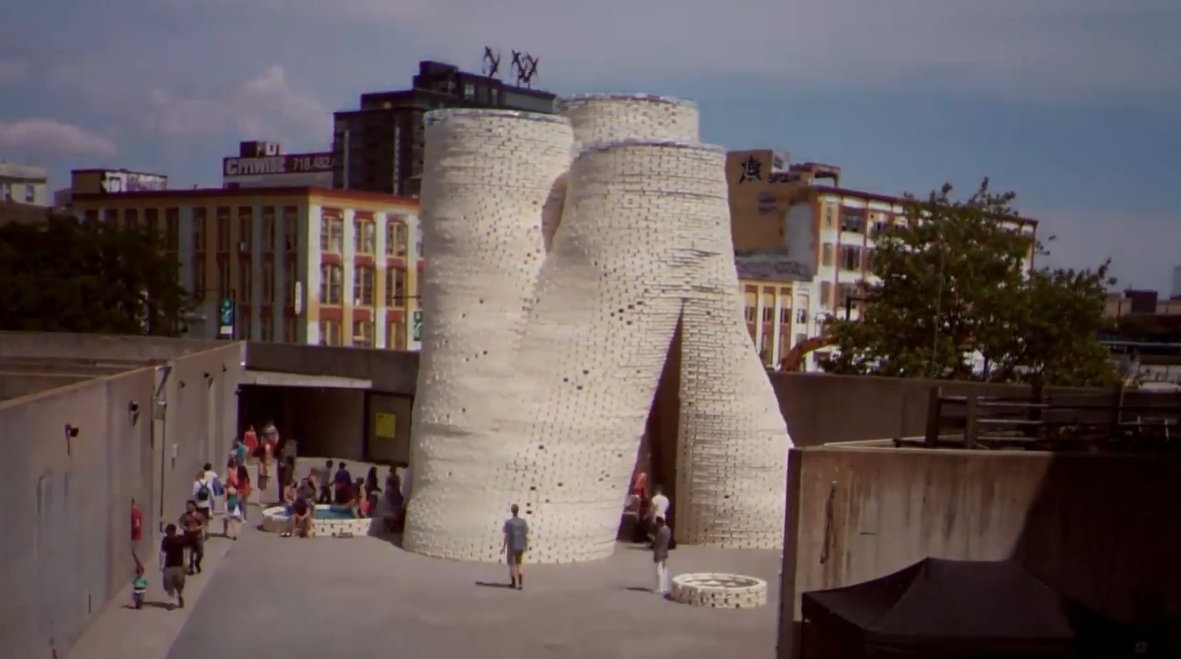
Benjamin said he asked those questions, too, along with, Will mold or bugs get into it? Can it stand up to rain and heat? What does it feel like to stand inside a building of this material?
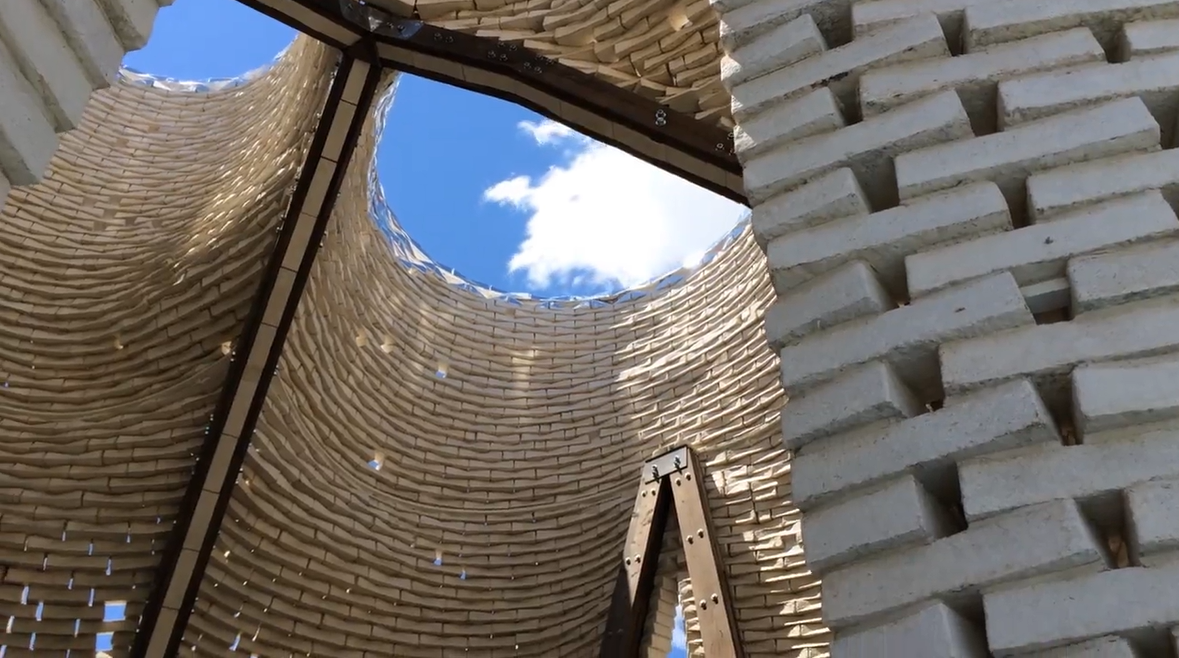
That’s why they created Hy-Fi, a tower made of 10,000 bricks and just over 30 feet that lived outside the Museum of Modern Art in New York City for three months. Benjamin compares it to the feeling of being inside a log cabin and says it smells like hay.
He and his 8-year-old son even taste-tested the bricks. (Flavor: kind of like oatmeal.)
“It’s an architectural material that is so nontoxic, you can eat it,” Benjamin said, adding there may be other health benefits. “There have even been studies that say people feel more healthy being inside a structure that’s made of these biomaterials, these natural materials.”
And because the type of fungus they’re using is at the top of its biological food chain, it’s less susceptible to issues like mold or bugs if it were used like insulation.
What are the implications for the housing affordability crisis?
One of the biggest expenses in building homes is time and labor — both solved by mycelium products that are quick to grow and lightweight to deliver.
“They can be strong. They can be lightweight. They can have insulation in them to help keep the homes warmer or cooler. They can dampen the sound. They can be a waterproof layer. And they can be super big — meaning less things to attach together,” Benjamin said.
Still, getting this material into standard use will likely be a slog of testing for safety, changing local and state housing codes, and getting developers or builders to get on board.
“There’s a lot of work that’s going to need to be done to integrate those kinds of materials,” he said, “but totally worth it.”
What’s next for fungus fabrication?
To understand how transformative mycelium could be, just take a look at 3M. Known for making Post-Its and N95 masks, 3M parts are in everything from windows to cellphones.
Benjamin calls the company the “world’s experts in materials made through chemistry” — yet they’re beginning to invest in biology-based manufacturing.
Innovators across the industry see potential to re-create anything made from plastic with this method, including styrofoam packaging, cellphone screen protectors, faux leather and even children’s toys.
“That just suggests a totally new relationship with our materials and our architecture,” Benjamin said.