Editor’s Note: This article contains discussions of suicide. Reader discretion is advised. If you or someone you know is struggling with thoughts of suicide, you can find resources in your area on the National Crisis Line website or by calling 988.
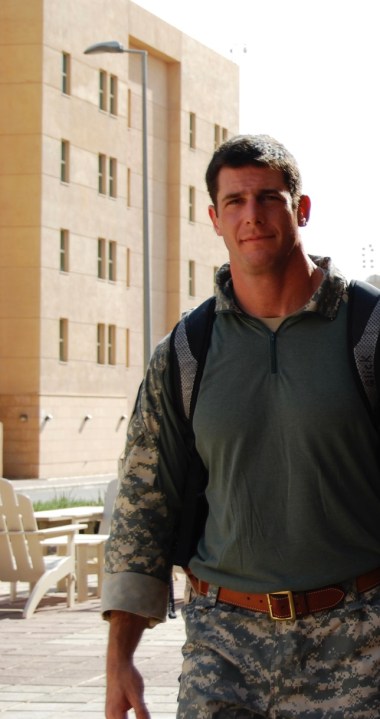
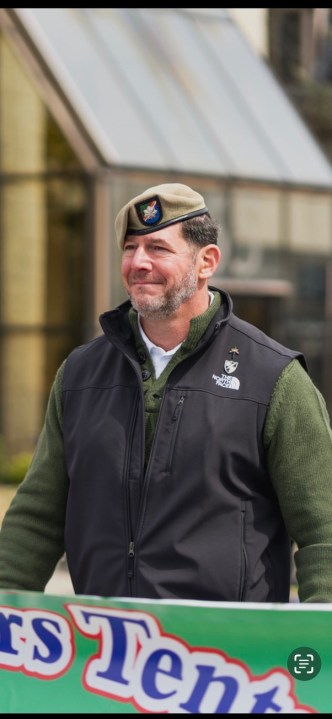
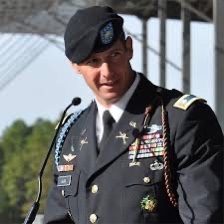
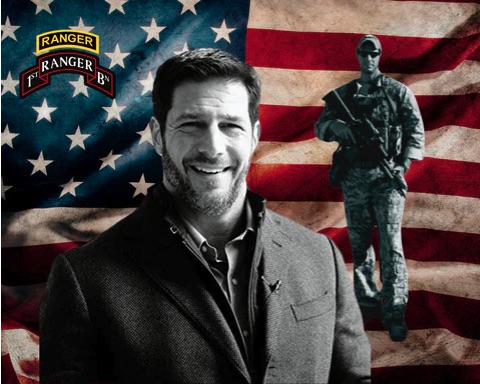
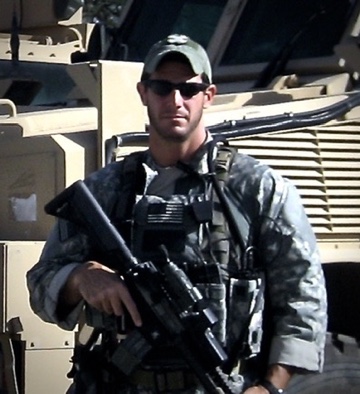
(NewsNation) — Retired Lt. Col infantry officer in the United States Army, JC Glick, was deployed 11 times during his 20-year military service. He has been an outspoken advocate about the difficulties many veterans face as they transition into civilian life.
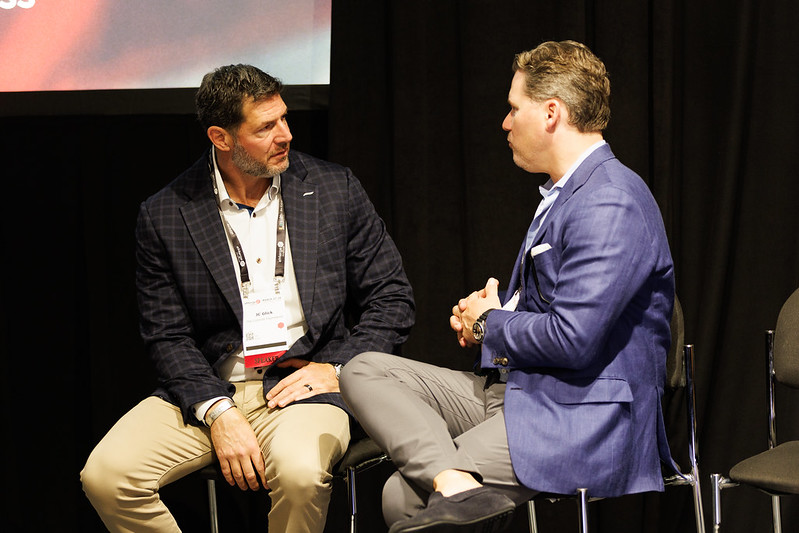
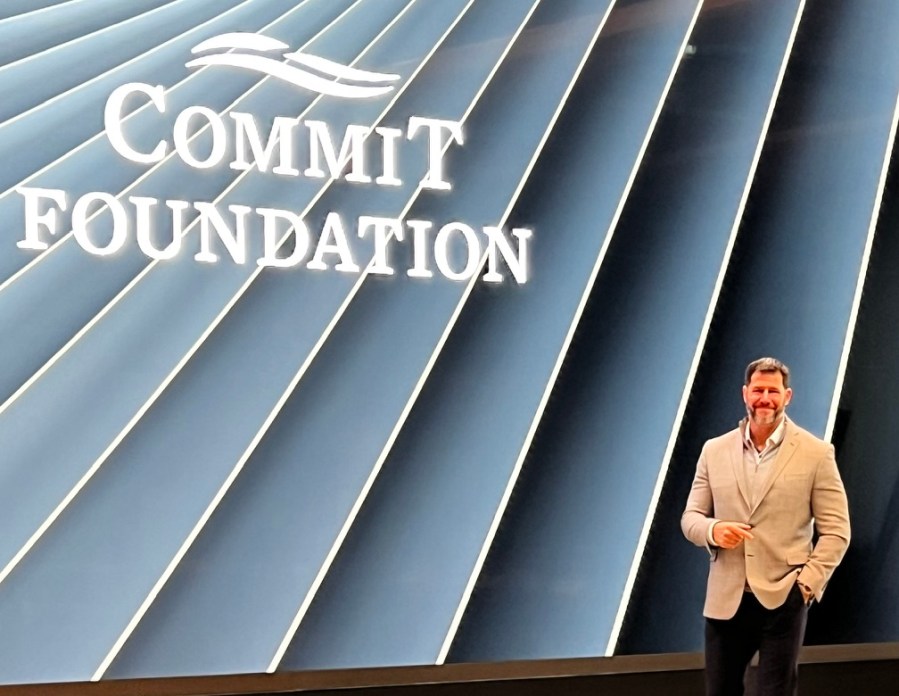
The retired Army Ranger serves as the Chief Executive Officer of the Commit Foundation that offers support to veterans as they navigate their next chapter.
While still in the Army, Glick attempted to take his life after starting a new role in the military.
“I then got moved to Training and Doctrine Command where I wasn’t deploying anymore and 18 months after moving to that command was my first suicide attempt. So, I lost that identity and purpose and community, right? And I was angry all the time. I was angry,” Glick told NewsNation.
Glick attempted to take his life three more times. He expressed that for many military veterans looking for their next chapter, there is a “hopelessness” even though they are “touted as a hero.”
“I think that hopelessness is real, and I think that there’s a dichotomy that exists that’s really frustrating for us.” Glick shared. “You’re touted as a hero, and you’re thanked and quite honestly, a lot of the stuff that I did you shouldn’t thank any person for the stuff that I did, like it was just the job, but I understand the sentiment of thank you for willing to do that.
“But then we’re relegated to low-income, low-skilled positions. When we leave, we’re seen as, “Well, they’ll listen to orders, they’ll show up on time, they’ll do what they’re told… like we couldn’t do anything better, so we joined the military. And that dichotomy…it’s a very disorienting dilemma for us to be in. Everybody’s like, ‘Oh, thank you for your service. You’re a hero.’ ‘Well, I’d really like an opportunity to do this. Well, you don’t know anything about this. You can’t do this, right?”
How to take care of military members when they return home
Psychologist Dr. Max Butterfield said there are signs loved ones should look out for when military members return home.
“It’s really important to remember each servicemember, each veteran has a unique situation, and has individual needs. So, are they withdrawing? That’s a huge one. Are they mopping around the house? Do you notice emotional changes? They seem depressed. Other times there can be heightened anger, heightened fear; heightened emotion of any kind is something worth noting in any family member but especially in someone who has returned from a deployment,” Butterfield said.
Glick credited a psychologist for helping him get well.
Veterans facing ‘underemployment’
As the CEO of the Commit Foundation, he understands many of the hurdles veterans can face as one himself.
“It’s not about getting a job, it’s about getting a life,” Glick said. “I guarantee you every veteran who leaves can have a job tomorrow. The question is, are you happy in that job, right?
Glick points out that veterans have a high rate of “underemployment,” meaning they’re employed in jobs they’re overqualified or underpaid for the skill sets they’ve acquired.
Approximately one-third of veterans report being underemployed, according to research by the Journal of Veterans Studies.
“That’s shameful,” Glick said. “Thirty-three percent underemployment because they’re getting jobs but they’re not getting lives. So, we help you think about who you are and who you want to be, and what does your life look like?”
Glick has found his way after service but expressed that he wished, “I spent more time reflecting. I wish I spent time learning about who I wanted to be. I wish I spent more time on who I was instead of trying to just do things that I thought were correct, that I thought ‘oh this is the right way,’ ‘this is what people need to do…now ten years later I think about that a lot.”