(NewsNation) — An Idaho judge heard arguments Thursday over whether some crime scene photos from the 2022 murders of four Idaho students by Bryan Kohberger should be permanently blocked from release after the city of Moscow was sued by two victims’ families.
The families of Madison Mogen and Ethan Chapin filed a request for a permanent injunction that would halt certain photos and body camera footage from public consumption.
They say certain photos, such as the bedrooms where the students were killed, are out of bounds because they are an “unwarranted invasion of their privacy.”
Mogen and Chapin, along with Kaylee Goncalves and Xana Kernodle, were murdered by Kohberger, who is now serving four life sentences.
Latah County District Judge Megan Marshall extended a temporary restraining order she issued earlier, blocking the release of additional police records while she reaches a decision on the matter.
Hundreds of case files were made public earlier this month and some revealed the harrowing scene that responding officers found when they got to the house.
Death scene footage is an ‘invasion of privacy’ for families,’ lawyer argues
In arguing for the families, attorney Leander James told the judge that crime scene footage constitutes an unwarranted invasion of privacy, which exempts the photos and videos from Idaho’s public records law.
He stated that the immense interest by both the public and “true crime world” makes it more likely the photos would be widely disseminated and misused.
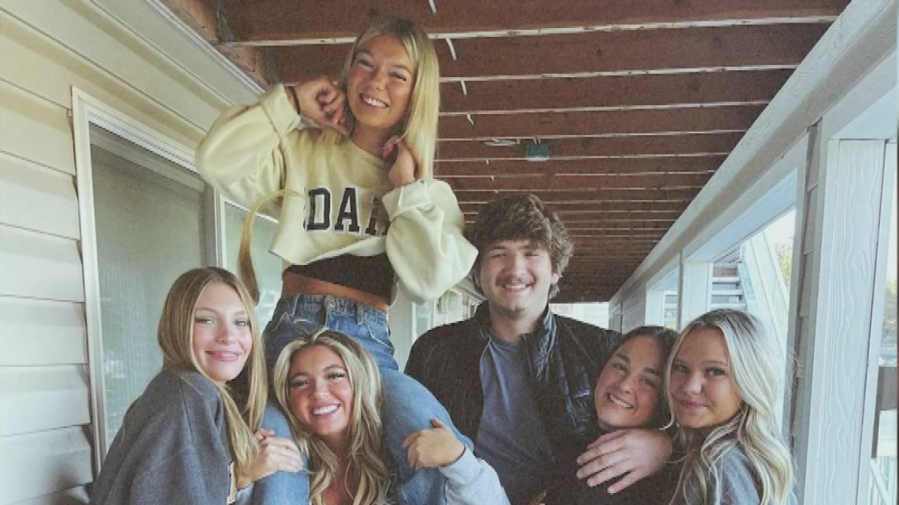
James also argued that the families have a privacy interest because they too are victims.
“They were victimized first with the murder of their child and sibling that deprived them of the love and affection of the murder victim,” he said. “They were then re-victimized when these images, these gory images, were disseminated to the public.”
The dissemination of this information results in harassment,” he said, which causes significant “emotional damage.”
James specifically referred to photos the city released to media outlets that showed the victims’ blood from inside the home.
“Blood is part of the body,” James argued to the point that any scenes with blood should have been redacted the same as the victim’s bodies.
“The right to privacy specifically includes intrusion upon the plaintiff’s seclusion, solitude or into private affairs,” James argued.
“What is more of an invasion here of the parents and the siblings’ seclusion, solitude, private affairs and to disseminate death scene images of the children worldwide?” he said, requesting they permanently bar the release of the photos.
City of Moscow argues that records release fell under the law
Andrew Pluskal, a defense attorney for Moscow, argued that the photos and videos fell under the public records law, which binds the city.
The release of the footage required a balancing act that the city executed faithfully, Pluskal told the judge.
“At the end of the day, we are talking about an exception that requires public officials to conduct a delegate balancing test and weigh the public’s interest in disclosure and the interests of family members or the deceased,” he said.
He said the city has received hundreds of records requests for the materials.
Pluskal argued that the public records law is vague and “does not provide clear guidance,” leaving the city to make its own assessment.
Part of the assessment involved transparency into the investigation, which Pluskal said still is called into question by “conspiracy theorists.”
The city conceded that the original redacted records batch did cover some of the scenes the families contested because those were determined by officials to fall under the “unwarranted privacy invasion” exception.
“The city is in the middle here,” Pluskal said. “The city is going to get it from either side, and there doesn’t seem to be any way to avoid that.”
The judge asked several questions, including whether the family can bring concerns on behalf of the victims. She also inquired what the thought process was in the original redactions and about the city’s definition of unwarranted invasion of privacy.